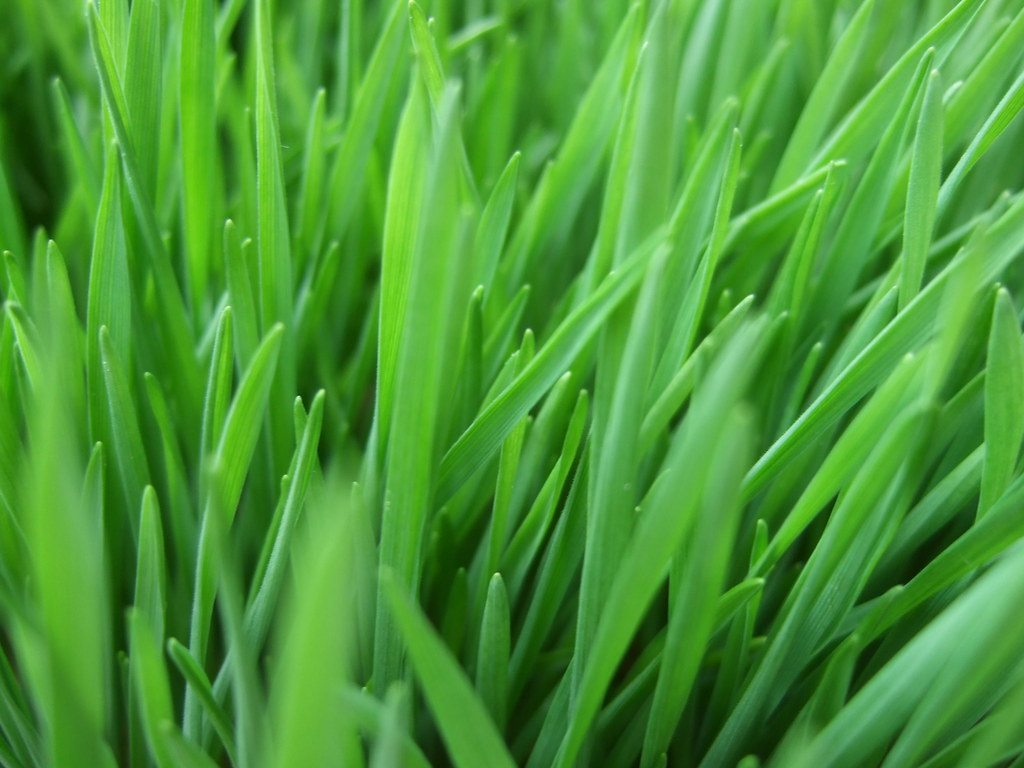
Start here
How Wheatgrass Is Harvested, Juiced, and Frozen
Learn how wheatgrass goes from harvest to juice to freezer, including hygienic handling, juicing, packaging, freezing, quality changes, and raw juice safety.
Read the guide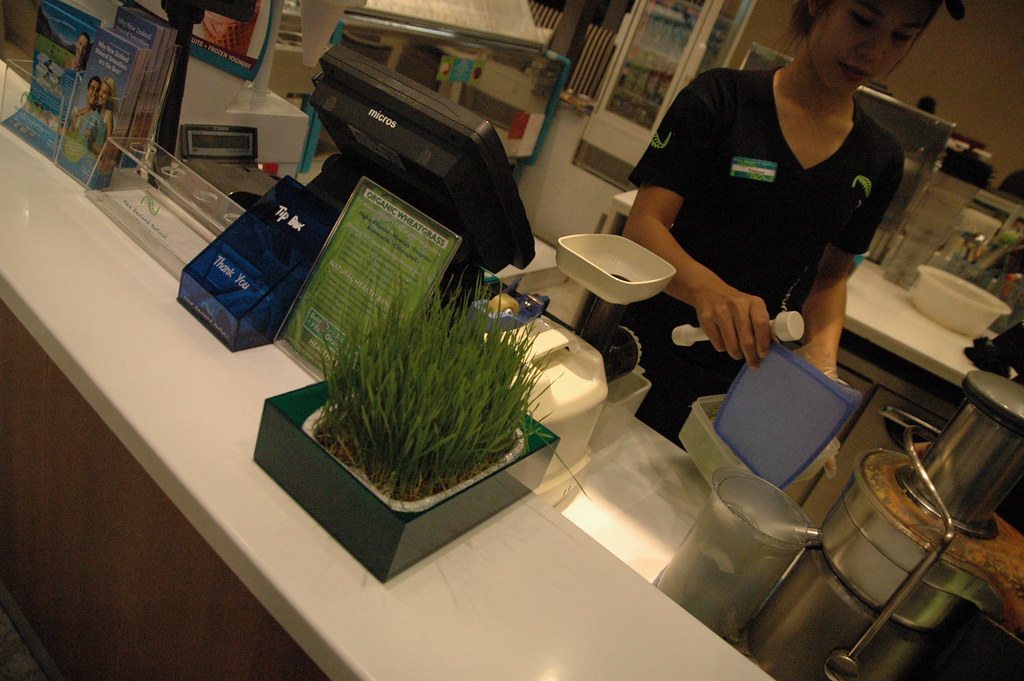
Category
Juicers, technique, fresh vs. processed juice, and getting a usable result.
Start here
Learn how wheatgrass goes from harvest to juice to freezer, including hygienic handling, juicing, packaging, freezing, quality changes, and raw juice safety.
Read the guideAll guides

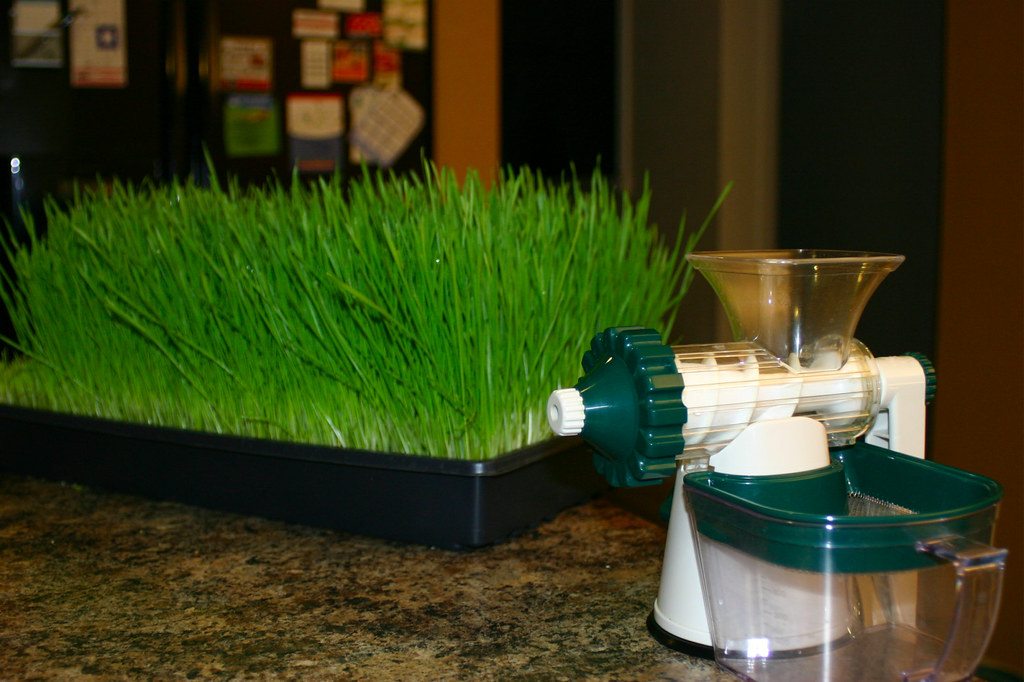
A manual wheatgrass juicer may be a good fit for modest batches, quiet operation, and places without convenient access to an electrical outlet. An electric wheatgrass juicer may be more practical for frequent or repeated juicing because a motor replaces repetitive hand cranking.
14 min read
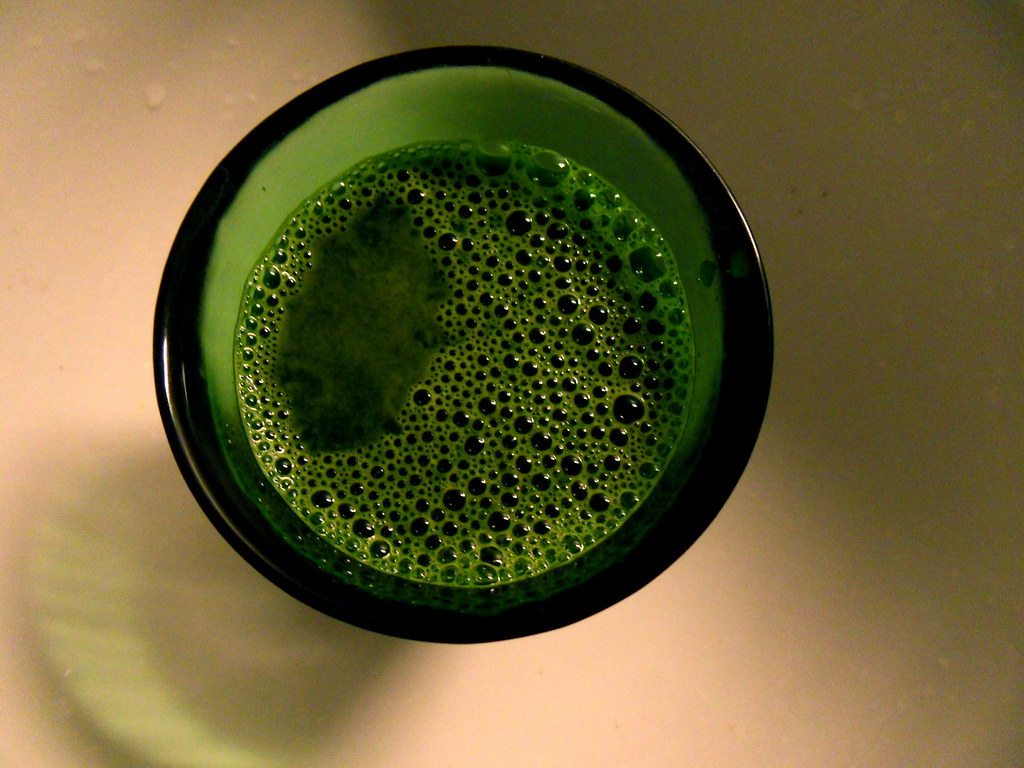
HPP wheatgrass juice is wheatgrass juice treated with very high hydrostatic pressure to reduce targeted microorganisms without using conventional heat as the primary treatment. HPP stands for high-pressure processing; it is also called high hydrostatic pressure processing and may sometimes be described as high-pressure pasteurization.
12 min read
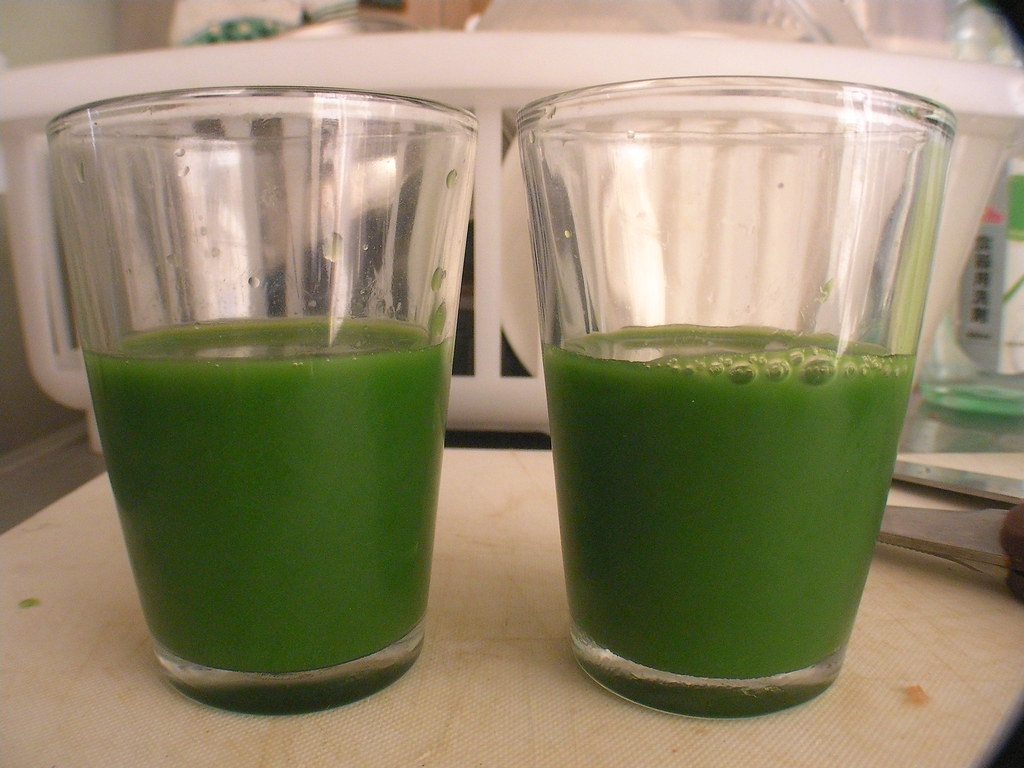
Learn what “raw” usually means on wheatgrass juice labels, how it differs from unpasteurized, frozen, and fresh, and which food-safety details to check.
9 min read

What wheatgrass juice is, what the research actually shows, how to make it, fresh vs. frozen, powder comparisons, raw-juice safety, and where to buy it.
11 min read
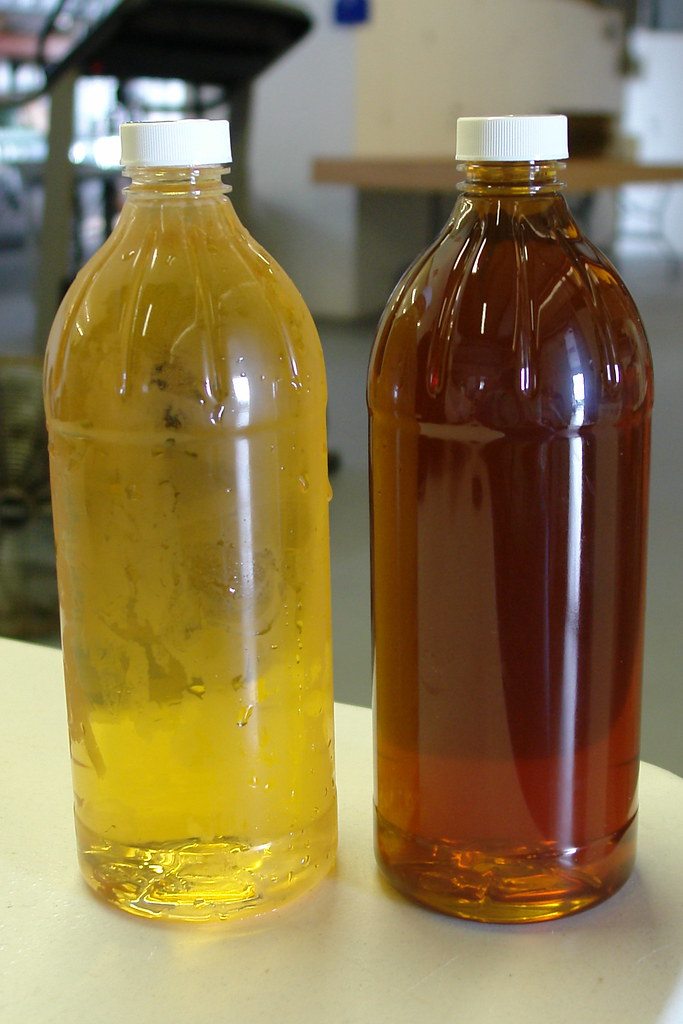
Compare fresh and pasteurized wheatgrass juice: processing, food-safety differences, refrigeration and freezer storage, quality changes, and label-reading tips.
12 min read

What fresh wheatgrass juice is, what the research actually shows, how to make and store it, its side effects, and how fresh compares with frozen and powdered wheatgrass.
10 min read
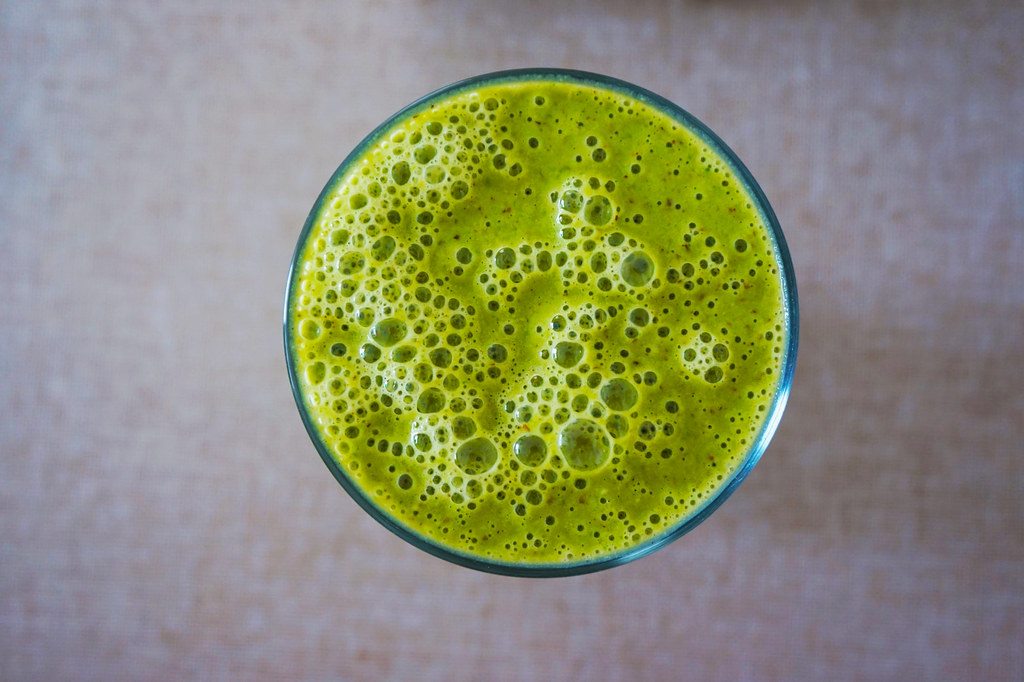
Frozen raw wheatgrass shots and refrigerated HPP wheatgrass shots are preserved and handled differently.
13 min read
A commercial wheatgrass juicer may be worth evaluating when a business needs repeatable production during service, a foodservice-oriented cleaning workflow, and support suited to ongoing use. A home masticating juicer can process wheatgrass, but its operating limits, warranty terms, replacement-parts availability, and sanitation fit may not suit a juice bar, café, gym, spa, or other high-use operation.
19 min read

Fresh wheatgrass, frozen wheatgrass juice and wheatgrass powder are different preparations. Here is how they compare — and why a wheatgrass shot is not always fresh juice.
9 min read
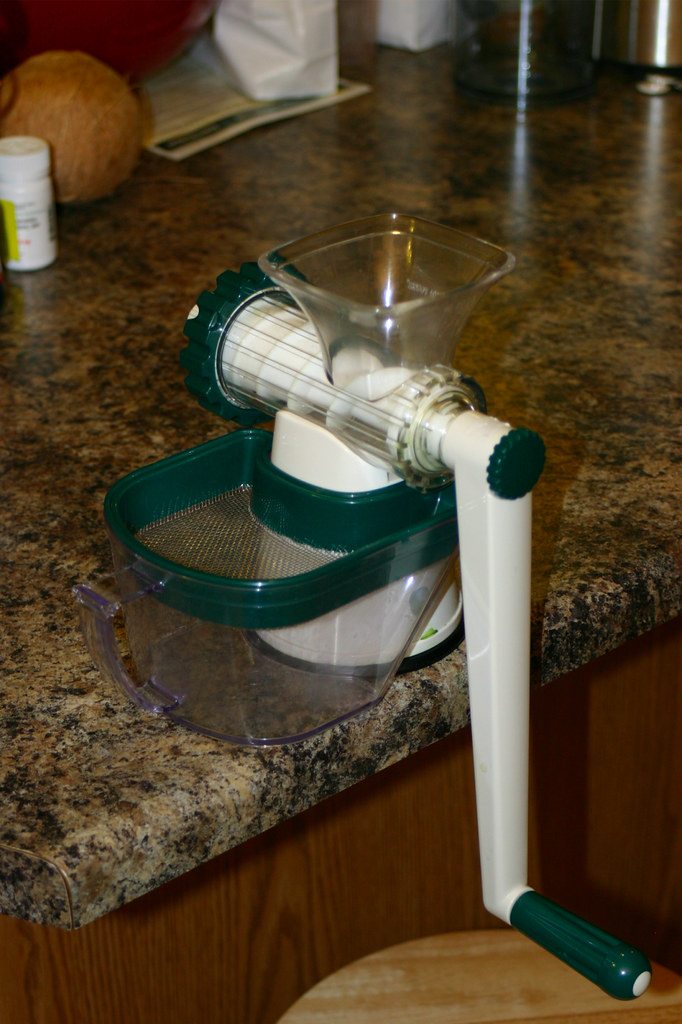
The best wheatgrass juicer for you depends less on a “best overall” label and more on whether the machine is designed to handle fibrous greens, fits your batch size, and is practical to clean and maintain.
16 min read
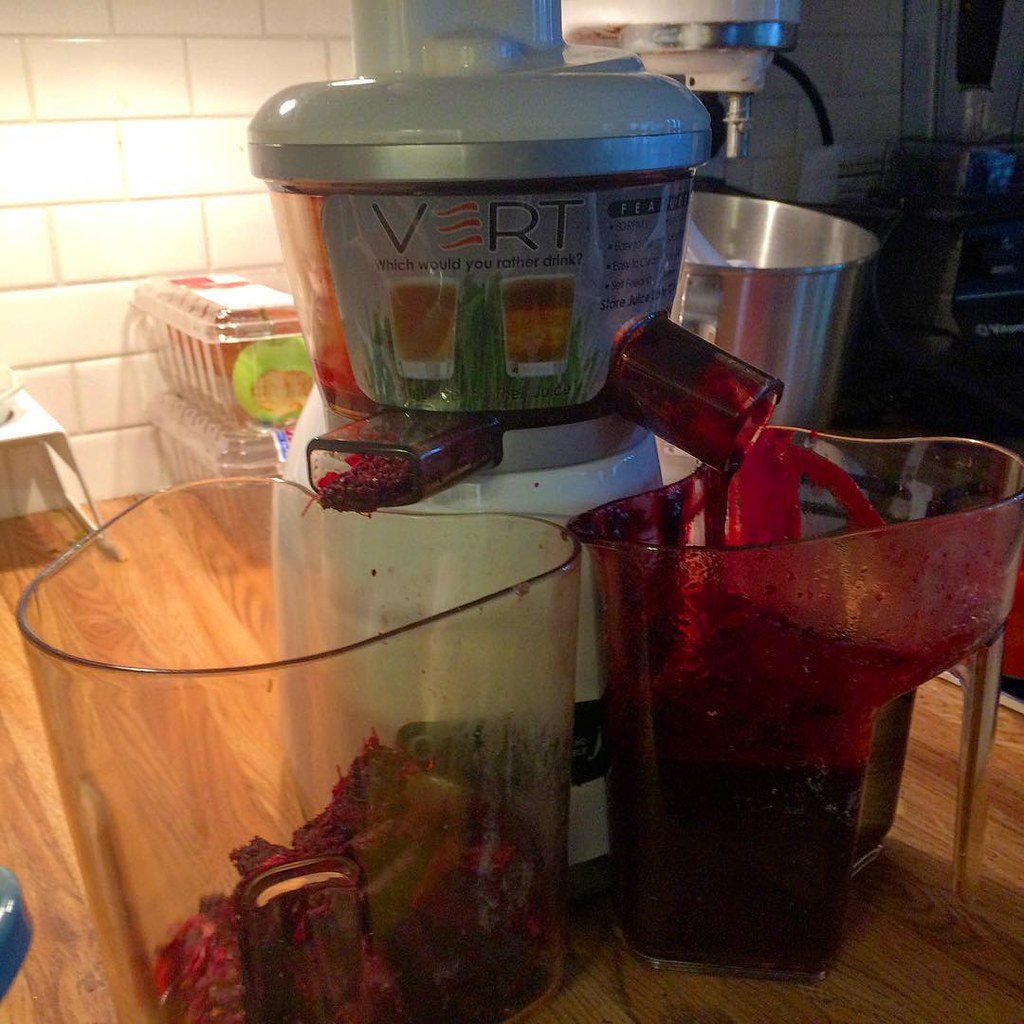
Yes—sometimes. Whether a regular juicer can handle wheatgrass depends mainly on its design and the instructions for that specific model. A compatible masticating or slow juicer is generally the better household option for wheatgrass. Some manufacturer guidance, including Breville’s centrifugal-juicer manuals (1) and its leafy-greens guidance (2), warns that leafy greens can produce low yield when juiced on their own in this type of machine.
12 min read
Keep exploring
Stay in the loop
An occasional email when a new guide goes live. No spam.
Your email is stored privately for future guide updates. No emails are being sent yet. Privacy policy