Juicing · Wheatgrass Juicing and Processing
Can You Juice Wheatgrass in a Regular Juicer?
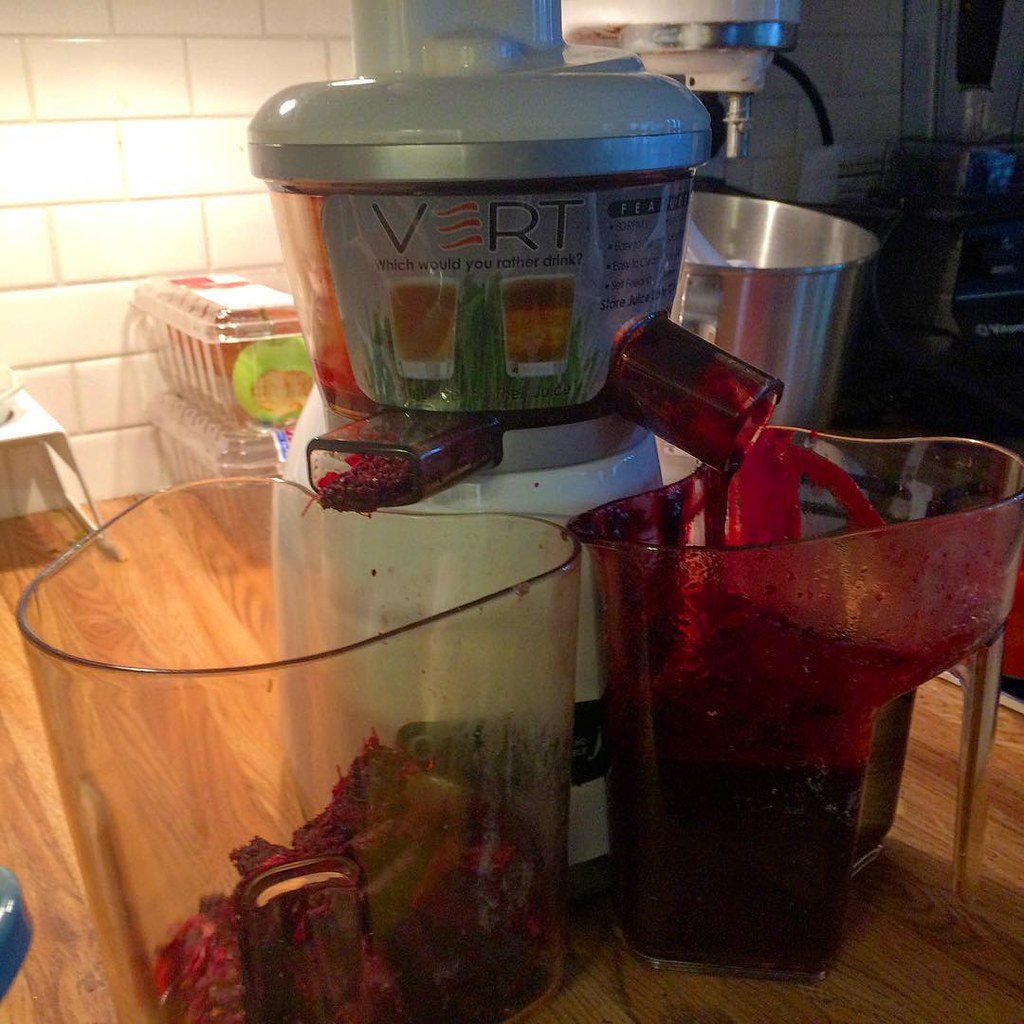
Yes—sometimes. Whether a regular juicer can handle wheatgrass depends mainly on its design and the instructions for that specific model. A compatible masticating or slow juicer is generally the better household option for wheatgrass. Some manufacturer guidance, including Breville’s centrifugal-juicer manuals (1) and its leafy-greens guidance (2), warns that leafy greens can produce low yield when juiced on their own in this type of machine.
You do not necessarily need a dedicated wheatgrass juicer. But if you want to make pure wheatgrass shots regularly, a purpose-built manual or electric wheatgrass juicer may be a more practical choice than a centrifugal model.
What Does “Regular Juicer” Mean?
“Regular juicer” can describe several very different appliances. The distinction matters because wheatgrass is not processed like a large, juicy apple or cucumber.
| Juicer type | How it works | General fit for wheatgrass |
|---|---|---|
| Centrifugal juicer | Uses a fast-spinning cutting disc and filter basket to separate juice from pulp | May process some wheatgrass, but pure wheatgrass can yield poorly |
| Masticating or slow juicer | Uses an auger or compression system to move, crush, and press ingredients | Often a better fit when the manufacturer lists leafy greens or wheatgrass as compatible |
| Manual wheatgrass juicer | A hand-cranked auger-and-pressure design made primarily for wheatgrass | A purpose-built option for pure wheatgrass juice |
| Commercial wheatgrass juicer | Often designed for repeated or higher-volume use | Usually more than most home users need |
Centrifugal juicer
A centrifugal juicer uses a fast-spinning cutting and filtering mechanism. Produce is cut against a rotating basket, and liquid passes through the filter while pulp is separated.1 — Breville BJE200 manual
Some centrifugal-juicer manuals allow leafy greens, herbs, or sprouts. However, Breville’s instructions (1) also note that leafy greens processed alone can have low yield in centrifugal extraction. Another Breville manual (2) suggests bundling greens or combining them with other ingredients for better extraction.
That does not mean every centrifugal juicer is incapable of processing wheatgrass. It does mean that a centrifugal machine is usually less suitable for making a small, pure wheatgrass shot.
Masticating or slow juicer
A masticating juicer uses an auger—a screw-like component—to move ingredients through the machine while crushing and pressing them. This is different from the cutting-and-spinning process used by centrifugal juicers.
Compatible auger-style juicers are commonly considered better suited to leafy vegetables and wheatgrass. Consumer Reports’ category discussion (3) has identified auger-style juicers as more suitable for wheatgrass and leafy greens, while some masticating-model manufacturers (4) specifically list wheatgrass among compatible ingredients.
Still, do not assume that every slow juicer can handle wheatgrass. Check the manual or manufacturer’s approved-ingredient guidance for your exact model.
Manual wheatgrass juicer
Manual wheatgrass juicers are purpose-built for processing wheatgrass. They commonly feed grass through an auger and use pressure to separate liquid from pulp. For example, the Hamilton Beach wheatgrass juicer manual (5) describes an auger and an adjustable pulp regulator that changes pressure during extraction.
A manual model can be a reasonable option for someone focused mainly on pure wheatgrass juice. It is not automatically necessary for occasional use if you already own a compatible slow juicer.
Commercial wheatgrass juicer
Commercial wheatgrass juicers are a separate equipment category for businesses or other high-use settings. Some models include features intended for repeated operation, such as reverse functions and high-torque motors.6 — Hamilton Beach Commercial
For occasional home juicing, commercial equipment is generally unnecessary. Evaluate commercial machines separately based on expected volume, cleaning requirements, operating instructions, and service support.
Why Wheatgrass Can Be Challenging for Some Juicers
Wheatgrass is a narrow, fibrous leafy ingredient that is often juiced by itself in a small quantity. That makes it different from fruits and vegetables that release a large amount of liquid when cut and spun.
A juicer’s extraction method matters:
- Centrifugal machines are designed around a fast-spinning cutting and filtering system.
- Auger-style machines grip and move ingredients through a pressing mechanism.
- Dedicated wheatgrass juicers use an auger-and-pressure approach designed around grass.
A machine that can steadily grip and press fibrous greens may be more suitable for wheatgrass than one that relies mainly on a high-speed spinning basket. This is a practical equipment distinction—not evidence that one method automatically creates a healthier juice.
Results can also vary with the particular appliance, the condition of the filter or screen, the freshness and condition of the wheatgrass, the feeding method, and whether the grass is processed alone or with other produce. The research reviewed for this article did not identify a strong, standardized head-to-head comparison assigning exact wheatgrass-yield percentages to every juicer category. Be cautious with claims that one machine type always produces a specific amount more juice.
Can a Centrifugal Juicer Juice Wheatgrass?
Sometimes, but it is usually not the best tool for a pure wheatgrass shot.
What centrifugal-juicer manuals say
Breville’s centrifugal-juicer manuals (1) state that leafy greens, herbs, and sprouts can be bundled or included among other ingredients. They also caution that leafy greens can have low yield when juiced alone because of the nature of centrifugal extraction.2 — Breville leafy-greens guidance
This supports a practical conclusion: if you put a small bundle of wheatgrass into a centrifugal juicer, it may process it, but the amount of liquid collected may be disappointing—especially when wheatgrass is the only ingredient.
The manuals are useful model-specific appliance guidance, not standardized tests of pure wheatgrass across all centrifugal juicers.
When trying a centrifugal juicer may be reasonable
Trying wheatgrass in your centrifugal juicer may be reasonable when all of the following are true:
- Your exact manual permits leafy greens, herbs, sprouts, or wheatgrass.
- You are willing to test a small amount rather than depend on the appliance for regular pure wheatgrass juicing.
- You follow the manufacturer’s guidance on ingredient preparation, feeding, and cleaning.
- You do not force wheatgrass into the feed chute.
- You accept that results may be variable and that yield may be low.
Start with the instructions for your specific model. Do not rely on advice written for a different juicer, even if it is from the same brand.
If the manual’s troubleshooting or safety guidance indicates that the machine is not operating properly, stop and follow the manufacturer’s instructions rather than continuing to feed wheatgrass through it.
When a centrifugal juicer is probably the wrong tool
A centrifugal juicer may be a poor practical fit if:
- You mainly want pure wheatgrass juice rather than mixed juice.
- You plan to juice wheatgrass frequently.
- You repeatedly get very little liquid from the wheatgrass.
- The machine has frequent feeding or pulp-buildup problems.
- The manufacturer does not list leafy greens, herbs, sprouts, or wheatgrass as suitable ingredients.
- You want a machine intended primarily for grass rather than mixed fruits and vegetables.
The important distinction is suitability, not absolute capability. A centrifugal juicer may handle some wheatgrass without being convenient or effective for regular pure-wheatgrass juicing.
Is a Masticating Juicer Better for Wheatgrass?
In general, a compatible masticating or auger-style juicer is the more suitable household design for wheatgrass and other leafy ingredients.
Rather than depending on a fast-spinning filter basket, an auger moves ingredients through the machine while crushing and pressing them. Omega, for example, describes its horizontal masticating juicer as suitable for wheatgrass and leafy vegetables (4). Hamilton Beach’s wheatgrass-juicer documentation (5) similarly describes auger-based processing with adjustable pressure.
Before using or buying a slow juicer for wheatgrass, look for explicit manufacturer guidance on:
- Wheatgrass
- Leafy greens
- Herbs
- Sprouts
- Fibrous ingredients
“Slow juicer” and “cold press” are broad equipment terms, not guarantees that every model will perform the same way with wheatgrass. They also do not, by themselves, establish superior nutrient retention or health effects.
Do You Need a Dedicated Wheatgrass Juicer?
Not necessarily. The best option depends on how often you expect to juice wheatgrass and whether you want the appliance to handle other produce.
For occasional home use
A household slow juicer may be sufficient if the manufacturer specifically supports leafy greens or wheatgrass.
If you already own a compatible masticating juicer, there may be little reason to buy a separate machine solely for occasional wheatgrass use.
For frequent pure-wheatgrass juicing
A dedicated manual or electric wheatgrass juicer may make more practical sense if pure wheatgrass is a frequent task.
These machines are designed around feeding grass through an auger and applying pressure during extraction.5 — Hamilton Beach wheatgrass manual That may make them a better match for repeated batches of wheatgrass than a centrifugal appliance designed mainly for firmer fruits and vegetables.
This is a practical-use decision, not a guarantee about juice yield. Specific results depend on the machine, its condition, and how the wheatgrass is fed.
For juice bars or higher-volume use
Commercial wheatgrass equipment is designed for a different level of use than most home appliances. If you are buying for a business, evaluate equipment based on anticipated volume, cleaning time, manufacturer instructions, warranty terms, and available service support.
How to Check Whether Your Current Juicer Is Compatible
Before putting wheatgrass into a juicer you already own, use this checklist.
1. Find the exact model manual
Search for the manual using the appliance’s complete model number. Juicers from the same manufacturer can have different limits and approved ingredients.
2. Look for compatible ingredients
Search the manual for references to:
- Wheatgrass
- Leafy greens
- Herbs
- Sprouts
- Fibrous vegetables
If the manual does not mention them, do not assume that a machine is compatible based on a general product description or another owner’s experience.
3. Identify the juicer design
Determine whether your appliance has:
- A centrifugal basket and cutting disc
- A horizontal or vertical auger
- A manual wheatgrass-specific auger
This will not answer every question, but it helps set realistic expectations.
4. Follow feeding instructions
Your manual may include specific directions about:
- Bundling greens
- Alternating ingredients
- Ingredient size
- Feed rate
- Reverse operation
- Maximum operating time
Follow those directions exactly. Do not force grass into the chute or override stated operating limits.
5. Start with a small test
If the manual allows leafy greens or wheatgrass, test a small amount first. Assess whether the appliance processes the grass smoothly and whether the result meets your needs before buying more equipment.
What About Mixing Wheatgrass With Apple or Cucumber?
Mixing wheatgrass with other produce may improve extraction in some centrifugal machines. Manufacturer instructions for some centrifugal juicers (1) recommend combining leafy greens with other ingredients because leafy greens alone may have low yield. A second Breville manual (2) gives similar guidance.
Apple and cucumber are examples of produce people may use in a mixed juice, but neither guarantees better wheatgrass extraction. The result depends on the appliance, how much wheatgrass you use, the feeding method, and the instructions for your model.
Treat mixing as a possible technique, not a promise of good yield.
Can You Blend Wheatgrass Instead?
You can blend wheatgrass, but blending is not the same as juicing.
A blender creates a blended mixture that retains the plant material unless you strain it afterward. A juicer is designed to separate liquid from much of the pulp during processing.7 — Breville juicer-versus-blender guide
If you want:
- A blended wheatgrass mixture: Use a blender.
- Liquid separated from pulp: Use a compatible juicer.
- A strained blended drink: Blend first, then strain—but recognize that this is a different process from juicing.
Neither method should be assumed to be automatically healthier. They simply create different textures and outputs.
Wash and Juice Fresh Wheatgrass Safely
Fresh, untreated juice can carry foodborne-illness risk because bacteria on produce can end up in the finished juice.8 — FDA juice-safety guidance That does not mean raw juice is automatically unsafe, but careful handling matters.
Before juicing fresh wheatgrass:
- Wash your hands.
- Rinse wheatgrass thoroughly under running water.
- Remove damaged portions and discard visibly spoiled wheatgrass.
- Do not wash wheatgrass with soap or detergent.
- Clean juicer parts promptly according to the manufacturer’s instructions.
FDA and USDA guidance (8–9) recommend washing produce under running water rather than using soap, detergent, or commercial produce washes. See also USDA FSIS produce-washing guidance (9).
Children, older adults, pregnant people, and people with weakened immune systems are at greater risk of foodborne illness. These groups should use additional caution with untreated juice.10 — FDA higher-risk groups
FAQ
Research & Further Reading
Equipment and manufacturer documentation
- Breville, the Juice Fountain Compact Instruction Manual — centrifugal-juicer guidance on leafy greens, herbs, sprouts, and cleaning: https://www.breville.com/content/dam/breville/us/en/assets/miscellaneous/instruction-manual/juicers/BJE200-instruction-manual.pdf
- Breville, The Right Technique Instruction Manual — guidance on low yield from leafy greens processed alone in centrifugal juicers: https://assets.breville.com/BJE410/BJE410_ANZ_IB_G21_WEB.pdf
- Consumer Reports, Best Juicers for Novices and Nutrition Nuts — 2015 category-level discussion of auger-style juicers, leafy vegetables, and wheatgrass; not a current product-ranking source: https://www.consumerreports.org/cro/news/2015/12/best-juicers-for-novices-and-nutrition-nuts/index.htm
- Omega Juicers, Omega Cold Press Masticating Horizontal Juicer with 3-Stage Auger — manufacturer information on wheatgrass and leafy-vegetable compatibility for a specific model: https://omegajuicers.com/products/omega-cold-press-masticating-horizontal-juicer-with-3-stage-auger?bvstate=pg%3A3%2Fct%3Ar&variant=41210821017643
- Hamilton Beach, Wheatgrass Juicer Use and Care Guide — auger and pressure-based extraction instructions for a wheatgrass juicer: https://useandcares.hamiltonbeach.com/files/840325300.pdf
- Hamilton Beach Commercial, FreshMark Wheatgrass Juicer — manufacturer information on a commercial wheatgrass-juicer model: https://hamiltonbeachcommercial.com/commercial-juicers/freshmark-wheatgrass-juicer-hwg800/
- Breville, Juicer vs. Blender: What Is the Difference? — overview of the functional difference between juicing and blending: https://www.breville.com/us/en/blog/beverages/juicer-vs-blender.html
Food-safety sources
- U.S. Food and Drug Administration, What You Need to Know About Juice Safety: https://www.fda.gov/food/buy-store-serve-safe-food/what-you-need-know-about-juice-safety
- U.S. Department of Agriculture Food Safety and Inspection Service, How Should Fresh Produce Be Washed Before Eating?: https://ask.fsis.usda.gov/article/How-should-fresh-produce-be-washed-before-eating/
- U.S. Food and Drug Administration, People at Risk of Foodborne Illness: https://www.fda.gov/food/consumers/people-risk-foodborne-illness
Company and product information
Andi’s Way, Wheatgrass Juicers: Manual & Electric — company collection information for manual and electric wheatgrass juicers. This is a company/product source, not evidence about nutrition, health, food safety, or machine performance: https://andisway.com/collections/manual-electric-juicers
Related guides

Manual vs Electric Wheatgrass Juicer: Which One Fits Your Routine?
A manual wheatgrass juicer may be a good fit for modest batches, quiet operation, and places without convenient access to an electrical outlet. An electric wheatgrass juicer may be more practical for frequent or repeated juicing because a motor replaces repetitive hand cranking.
14 min read
What Is HPP Wheatgrass Juice? High-Pressure Processing Explained
HPP wheatgrass juice is wheatgrass juice treated with very high hydrostatic pressure to reduce targeted microorganisms without using conventional heat as the primary treatment. HPP stands for high-pressure processing; it is also called high hydrostatic pressure processing and may sometimes be described as high-pressure pasteurization.
12 min read
Frozen Raw vs Refrigerated HPP Wheatgrass Shots: What’s the Difference?
Frozen raw wheatgrass shots and refrigerated HPP wheatgrass shots are preserved and handled differently.
13 min read
Stay in the loop
New guides, when they publish
An occasional email when a new guide goes live. No spam.
Your email is stored privately for future guide updates. No emails are being sent yet. Privacy policy