Juicing · Juicing
Fresh vs Pasteurized Wheatgrass Juice: Processing, Storage, and Safety Differences
Fresh and pasteurized wheatgrass juice differ primarily in their processing and pathogen-control approach.
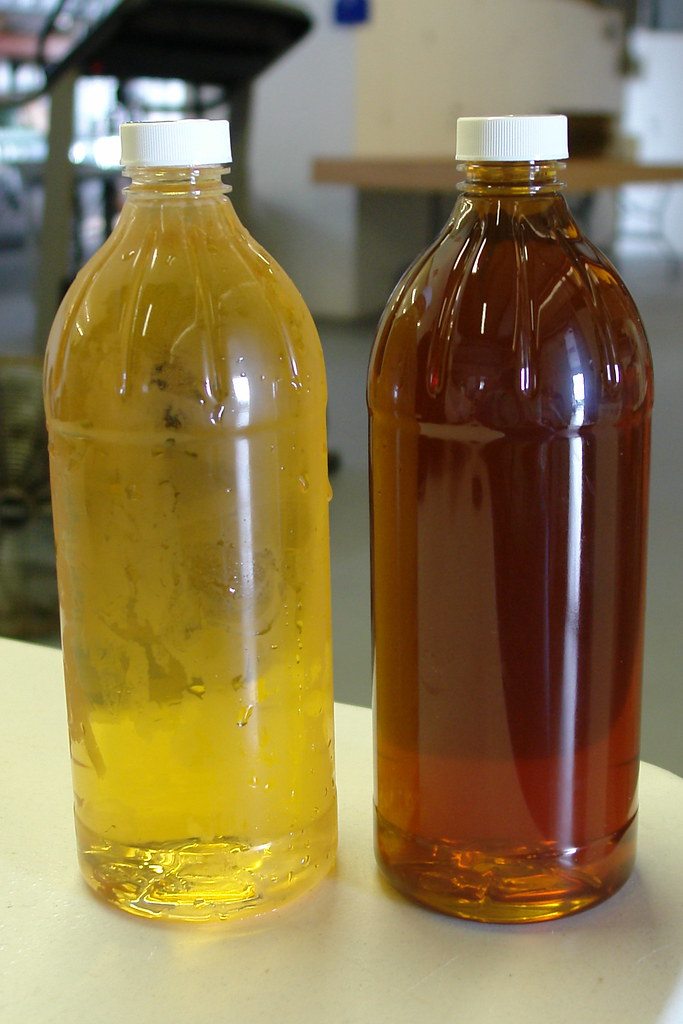
Fresh vs Pasteurized Wheatgrass Juice: The Short Answer
- Fresh usually describes how a juice is sold, handled, or perceived by consumers. By itself, it is not a complete food-safety classification.
- Raw or unpasteurized wheatgrass juice has not received a heat-pasteurization treatment. It may be pressed for immediate use, refrigerated, or frozen.
- Pasteurized wheatgrass juice has received a heat treatment intended to destroy harmful pathogens.
The central tradeoff is between choosing a raw, minimally heat-processed juice and choosing a juice with a deliberate heat-based pathogen-reduction step. Neither is automatically best for every shopper.
For people at higher risk of foodborne illness—including pregnant people, young children, older adults, and people with weakened immune systems—pasteurized or otherwise appropriately pathogen-treated juice is generally the more prudent option. The FDA advises these groups to avoid unpasteurized juice that carries a warning label. (FDA: What You Need to Know About Juice Safety; FDA: People at Risk of Foodborne Illness)
Freezing does not turn raw juice into pasteurized juice. Freezing stops bacterial growth while the product remains frozen, but it does not reliably kill most bacteria that may already be present. (FDA: Are You Storing Food Safely?)
What “Fresh,” “Raw,” and “Unpasteurized” Mean for Wheatgrass Juice
“Fresh” is not a complete food-safety description
“Fresh” can be useful consumer language, but it does not answer every important processing question.
A fresh wheatgrass juice may be:
- Pressed and served immediately
- Refrigerated after pressing
- Frozen for storage
- Produced under a range of sanitation, packaging, and distribution practices
A product described as raw or unpasteurized has not received conventional heat pasteurization. That does not mean it is inevitably contaminated. It does mean it does not have the same heat-based pathogen-control step as pasteurized juice.
FDA guidance also makes an important label distinction: juice treated with UV to achieve the applicable pathogen-reduction standard should not be labeled “fresh.” Labels can still be incomplete or confusing, however, so asking the producer about the actual process remains sensible when processing information is unclear. (FDA: Guidance for Industry—Questions and Answers on Juice HACCP Regulation)
Refrigerated does not necessarily mean untreated
Both untreated and pasteurized wheatgrass juice may be sold refrigerated.
Refrigeration slows bacterial growth, but it does not eliminate bacteria or make an untreated juice sterile. FDA recommends keeping refrigerators at or below 40°F / 4°C. (FDA: Are You Storing Food Safely?)
A bottle in the refrigerated case could be raw, pasteurized, or processed in another way. Refrigeration alone does not identify the juice’s pathogen-control method.
Why “organic” and “cold-pressed” do not identify a safety process
Terms such as “organic,” “local,” and “cold-pressed” may provide useful information, but they do not confirm by itself that a juice received a validated pathogen-reduction treatment.
- Organic refers to agricultural production and handling standards; it is not a synonym for pasteurized or pathogen-free.
- Cold-pressed generally describes an extraction method, not necessarily what happens after pressing.
- Raw and unpasteurized indicate that conventional heat pasteurization was not used, but they do not confirm a product’s microbial status.
- Fresh is not enough information to determine whether a juice is treated or untreated.
If processing information is missing, ask the producer or juice bar directly. (USDA Agricultural Marketing Service: Organic Standards)
What Pasteurization Does to Wheatgrass Juice
Pasteurization is a heat treatment—not sterilization
Pasteurization is a heat treatment intended to destroy pathogens in juice. It is not the same as sterilization. A pasteurized juice can still contain some microorganisms, can still spoil, and may still require refrigeration. (FDA: Guidance for Industry—Questions and Answers on Juice HACCP Regulation; FDA: Juice HACCP Regulator Training)
In practical terms, pasteurization adds a heat-based pathogen-control step beyond refrigeration and routine sanitation.
Why processing conditions must be validated
Under the FDA Juice HACCP framework, applicable juice processors use controls designed to achieve at least a 5-log reduction—a 100,000-fold reduction—of the pertinent pathogen.
That standard is a processor-level validation concept. It is not something a consumer can confirm from phrases such as “fresh,” “cold-pressed,” “organic,” or “locally made.”
Effective processing depends on the individual juice and production system, including:
- The juice’s composition
- Equipment and packaging
- Heating method and time-temperature controls
- Sanitation procedures
- Distribution and refrigeration controls
- Process validation for the specific product
There is no universal home-pasteurization formula for wheatgrass juice. A time-and-temperature condition reported in a research study should not be treated as a do-it-yourself method for every recipe, container, or home juicer. (FDA: Guidance for Industry—Questions and Answers on Juice HACCP Regulation)
Pasteurized does not always mean shelf-stable
Pasteurization does not automatically make wheatgrass juice shelf-stable.
Some pasteurized juices still need refrigeration before opening. Others may be shelf-stable until opened, depending on the complete processing and packaging system. Check the product label for instructions such as:
- Keep refrigerated
- Keep frozen
- Refrigerate after opening
- Shelf-stable
- Best-by or use-by date guidance
Date labels are not universal food-safety cutoffs for every food. Still, the producer’s storage instructions, temperature requirements, and package guidance should be followed carefully. (FDA: Are You Storing Food Safely?)
Fresh vs Pasteurized Wheatgrass Juice Comparison
| Factor | Raw / Unpasteurized Wheatgrass Juice | Pasteurized Wheatgrass Juice |
|---|---|---|
| Processing | Does not receive heat pasteurization; may be served promptly, refrigerated, or frozen | Receives heat treatment intended to destroy pathogens |
| Main pathogen-control approach | Relies heavily on sanitation, produce handling, cold storage, and prompt use | Includes a validated heat-based pathogen-control step |
| Refrigeration | Refrigerated products need consistent cold storage | May still require refrigeration unless specifically labeled shelf-stable |
| Freezing | Stops bacterial growth while frozen but does not reliably kill most bacteria already present | May also be frozen, depending on the product and label |
| Shelf-life expectations | Product-specific; follow storage and handling directions | Product-specific; pasteurization alone does not make it shelf-stable |
| Quality considerations | Maintains a raw, non-heat-pasteurized format | Heat may change color and reduce some measured heat-sensitive quality markers |
| Higher-risk consumers | Generally less suitable than appropriately treated juice | Generally the more prudent choice |
| Helpful shopper question | “Was this juice treated to reduce pathogens?” | “Does this need refrigeration, and how should it be stored after opening?” |
This comparison does not establish that one type is universally healthier. Processing can change measured food-quality characteristics, but those changes do not by themselves demonstrate different health outcomes in people.
Wheatgrass-Specific Research: How Heat Affected Microbial Reduction and Quality Markers
A controlled food-processing study by Ali and colleagues compared thermal treatment, high hydrostatic pressure, and UV-C processing in inoculated wheatgrass juice.
The 75°C / 167°F for 15-second experimental treatment
Under the conditions of that study, heating wheatgrass juice to 75°C / 167°F for 15 seconds achieved the researchers’ 5-log microbial-reduction target for the bacteria tested.
This finding is useful because it demonstrates how thermal processing can reduce microbes in wheatgrass juice. However, it is not a home-pasteurization instruction.
The study does not establish that every wheatgrass juice can be safely processed at home using the same temperature and time. Commercial juice safety depends on product-specific validation, equipment, packaging, sanitation, and the full production process. (Ali et al., 2020)
Changes in vitamin C, chlorophyll, phenolics, enzymes, and color
In the same study, the thermal treatment changed several measured quality markers in the tested wheatgrass juice.
Under the researchers’ experimental conditions, the heat treatment was associated with reductions in:
- Vitamin C: 27.4%
- Total phenolics: 36.0%
- Chlorophyll: 12.4%
- Peroxidase activity: 75.3%
- Polyphenol oxidase activity: 40.0%
The researchers also reported an unfavorable color change. (Ali et al., 2020)
These results show that heat can affect certain compounds, enzymes, and visual characteristics in wheatgrass juice. They should not be assumed to apply identically to every commercial pasteurized product, which may differ in wheatgrass source, processing conditions, package type, and storage history.
Quality measurements are not human health outcomes
Measured retention of vitamin C, chlorophyll, phenolics, or enzyme activity does not prove that raw wheatgrass juice produces better health outcomes than pasteurized wheatgrass juice.
The Ali study was a laboratory food-processing experiment. It measured microbial reduction and food-quality characteristics, not nutrient absorption, disease outcomes, or long-term health effects in people.
No direct human clinical comparison of raw versus pasteurized wheatgrass juice health outcomes was identified in the research reviewed for this article.
Storage Differences: Refrigerated, Frozen, and Shelf-Stable Juice
Raw or untreated refrigerated wheatgrass juice
Untreated refrigerated wheatgrass juice depends especially on careful handling from production through home storage.
Helpful practices include:
- Keep refrigerated juice at or below 40°F / 4°C
- Refrigerate promptly after purchase or juicing
- Minimize time at room temperature
- Keep containers closed when not in use
- Follow the producer’s storage and thawing instructions
- Clean food-contact equipment thoroughly after juicing
Refrigeration slows bacterial growth; it does not remove bacteria already present or replace a validated pathogen-reduction treatment. (FDA: Are You Storing Food Safely?)
Pasteurized refrigerated wheatgrass juice
Pasteurized juice may have received a stronger pathogen-control step, but it can still require refrigeration.
Do not assume that a pasteurized product can sit at room temperature simply because it has been heat-treated. Follow the storage directions on the package, including instructions for refrigeration after opening.
Frozen raw wheatgrass juice: what freezing does—and does not—do
Freezing is a preservation method, not a pasteurization method.
At 0°F / -18°C, freezing stops bacterial growth while the juice remains frozen. It does not reliably kill most bacteria that may already be present. (FDA: Are You Storing Food Safely?)
That means frozen raw wheatgrass juice is not microbiologically equivalent to pasteurized wheatgrass juice merely because it has been frozen.
The two approaches work differently:
- Freezing pauses bacterial growth during frozen storage.
- Pasteurization uses a validated heat treatment to reduce pathogens.
Frozen raw juice should remain frozen until it is needed, then be thawed and handled according to the producer’s instructions.
Follow the label instead of relying on a universal storage timeline
There is no one storage timeline that applies to every wheatgrass juice product.
Storage expectations vary based on factors such as:
- Whether the product is raw, pasteurized, frozen, or otherwise processed
- Initial produce quality and sanitation
- Package type
- Temperature history during shipping and storage
- Whether the container has been opened
- The producer’s process controls
Follow the current package instructions for refrigeration, freezing, thawing, and use. Do not rely on appearance, smell, or a generic storage timeline alone.
Food-Safety Considerations for Untreated Wheatgrass Juice
How bacteria can enter fresh-squeezed juice
Raw produce can carry bacteria on its surface. During pressing, bacteria can enter the finished juice.
That does not mean untreated wheatgrass juice is always contaminated. It means contamination is possible, which is why untreated juice does not provide the same heat-based pathogen control as pasteurized juice. (FDA: What You Need to Know About Juice Safety)
Washing produce and maintaining clean equipment can help reduce risk, but they are not substitutes for a validated pathogen-reduction process.
Who should choose pasteurized or otherwise treated juice?
People at greater risk of serious foodborne illness should generally choose pasteurized or otherwise appropriately pathogen-treated juice.
This includes:
- Pregnant people
- Young children
- Older adults
- People with weakened immune systems
This guidance does not mean these groups need to avoid wheatgrass altogether. It means that an appropriately treated juice is generally the more cautious choice. (FDA: People at Risk of Foodborne Illness)
Safer handling for home-juiced wheatgrass
If you make wheatgrass juice at home, focus on standard food-safety practices:
These steps can reduce risk, but they cannot guarantee that untreated juice is pathogen-free. (FDA: What You Need to Know About Juice Safety)
Why appearance and smell cannot confirm safety
A juice can cause foodborne illness without obvious spoilage signs.
Visible mold, unusual odor, leaking packaging, or major color or texture changes are reasons not to consume a product. However, normal appearance and smell cannot confirm that a juice is free of harmful microorganisms. (FDA: Are You Storing Food Safely?)
Low-acid juice context
Wheatgrass juice has been characterized as a low-acid beverage in food-processing research. This is one reason careful refrigeration, sanitation, and validated controls deserve attention.
However, it would be inaccurate to assign every wheatgrass juice the same pH, hazard profile, or food-safety risk. Product composition and handling conditions vary. (Ali et al., 2020; FDA: Refrigerated Carrot Juice and Other Refrigerated Low-Acid Juices)
What About HPP or UV-Treated Wheatgrass Juice?
Some juice processors may use non-heat methods to reduce pathogens, including:
- High-pressure processing (HPP)
- Ultraviolet treatment, including UV-C
These methods can be part of a validated pathogen-reduction process for a particular juice and production system. They are not the same as thermal pasteurization.
In particular, FDA guidance states that UV-treated juice should not simply be described as “pasteurized,” because pasteurization refers to heat treatment. If a label mentions HPP, UV, or another process, look for the producer’s explanation of the treatment and the required storage conditions. (FDA: Guidance for Industry—Questions and Answers on Juice HACCP Regulation)
How to Choose Between Fresh and Pasteurized Wheatgrass Juice
Raw or unpasteurized juice may suit people who prioritize a raw format
Raw or unpasteurized wheatgrass juice may suit lower-risk consumers who prefer a non-heat-pasteurized format and are prepared to manage it carefully.
Before choosing it, consider whether you can:
- Confirm the product’s processing method
- Keep refrigerated products consistently cold
- Keep frozen products frozen until use
- Follow package storage and thawing directions
- Use the product according to its handling guidance
- Accept that freezing does not replace pathogen reduction
Pasteurized juice may suit people who prioritize heat-based pathogen control
Pasteurized wheatgrass juice may suit shoppers who prioritize a heat-based pathogen-control step.
It is especially relevant for pregnant people, older adults, people with weakened immune systems, households with young children, and anyone who prefers the added safety margin provided by an appropriately validated treatment process.
Pasteurized does not mean nutrient-free, automatically shelf-stable, or universally superior in every respect. It means the juice received heat treatment intended to destroy pathogens.
Questions to ask a juice bar or producer
If the label does not clearly explain processing, ask:
- Was this juice heat-pasteurized or otherwise treated to reduce pathogens?
- If treated, what method was used?
- Does it require refrigeration, freezing, or can it be stored at room temperature?
- What are the package’s storage and thawing instructions?
- If it is sold by the glass, is it untreated?
- Is the processing method stated on the company website or package?
A missing warning label does not necessarily prove that a juice is pasteurized. FDA notes that juice sold by the glass, including at juice bars and restaurants, may not carry the same warning label required for certain packaged untreated juices. (FDA: What You Need to Know About Juice Safety)
Frequently asked questions
Sources & further reading
- U.S. Food and Drug Administration — What You Need to Know About Juice Safetygovernment
- U.S. Food and Drug Administration — Guidance for Industry: Questions and Answers on Juice HACCP Regulationgovernment
- U.S. Food and Drug Administration — Juice HACCP Regulator Traininggovernment
- U.S. Food and Drug Administration — Guidance for Industry: Refrigerated Carrot Juice and Other Refrigerated Low-Acid Juicesgovernment
- U.S. Food and Drug Administration — Are You Storing Food Safely?government
- U.S. Food and Drug Administration — People at Risk of Foodborne Illnessgovernment
- U.S. Department of Agriculture Agricultural Marketing Service — Organic Standardsgovernment
- Journal of Food Process Engineering — Ali N, Popović V, Koutchma T, Warriner K, Zhu Y. Effect of thermal, high hydrostatic pressure, and ultraviolet-C processing on the microbial inactivation, vitamins, chlorophyll, antioxidants, enzyme activity, and color of wheatgrass juice. 2020;43:e13036.peer-reviewed study
- Food Science & Nutrition — Qamar A, Saeed F, Nadeem MT, Hussain AI, Khan MA, Niaz B. Probing the storage stability and sensorial characteristics of wheat and barley grasses juice. 2019;7(2):554–562.peer-reviewed study
- Food Chemistry Advances — Nutritional and physiochemical properties of wheatgrass juice and preservation strategies.peer-reviewed study
- Andi's Way — 2 oz Frozen 100% Raw Wheatgrass Juice — company product information, not nutrition, medical, or food-safety evidence.other
Related guides
What Does “Raw” Mean in Wheatgrass Juice?
Learn what “raw” usually means on wheatgrass juice labels, how it differs from unpasteurized, frozen, and fresh, and which food-safety details to check.
9 min read

Wheatgrass Juice: Benefits, How to Make It, Side Effects & Where to Buy It
What wheatgrass juice is, what the research actually shows, how to make it, fresh vs. frozen, powder comparisons, raw-juice safety, and where to buy it.
11 min read

Fresh Wheatgrass Juice: Benefits, How to Make It, Side Effects & Where to Buy It
What fresh wheatgrass juice is, what the research actually shows, how to make and store it, its side effects, and how fresh compares with frozen and powdered wheatgrass.
10 min read
Stay in the loop
New guides, when they publish
An occasional email when a new guide goes live. No spam.
Your email is stored privately for future guide updates. No emails are being sent yet. Privacy policy