Juicing · Juicing
Fresh Wheatgrass Juice: Benefits, How to Make It, Side Effects & Where to Buy It
Fresh wheatgrass juice is a concentrated green juice with a long list of popular claims attached to it. This guide separates what research supports from what it does not, and covers preparation, storage, safety, and where the product is actually sold.

Research has found that wheatgrass contains nutrients and plant compounds with antioxidant activity, and small human studies have investigated wheatgrass juice in areas including ulcerative colitis and some cancer-treatment-related outcomes. However, many popular claims about wheatgrass juice—such as detoxification, cancer prevention, or disease treatment—are not supported by strong clinical evidence.
Fresh wheatgrass juice is also different from wheatgrass powder and from packaged juice blends. Preparation, processing, storage, and food-safety practices all matter.
For people who want fresh wheatgrass but do not have access to a local grower or juicing setup, some farms ship fresh wheatgrass nationwide, while frozen wheatgrass juice can provide a more convenient alternative.
What is fresh wheatgrass juice?
Fresh wheatgrass juice is the liquid extracted from young wheatgrass, usually before the plant develops mature wheat grain.
The plant is commonly identified as Triticum aestivum.
Because mature wheat grain is associated with gluten-containing proteins while wheatgrass is harvested earlier, fresh wheatgrass is different from ordinary wheat flour or wheat-based foods.
Fresh wheatgrass is usually juiced shortly after harvesting because the grass is fibrous and difficult to consume in its whole form.
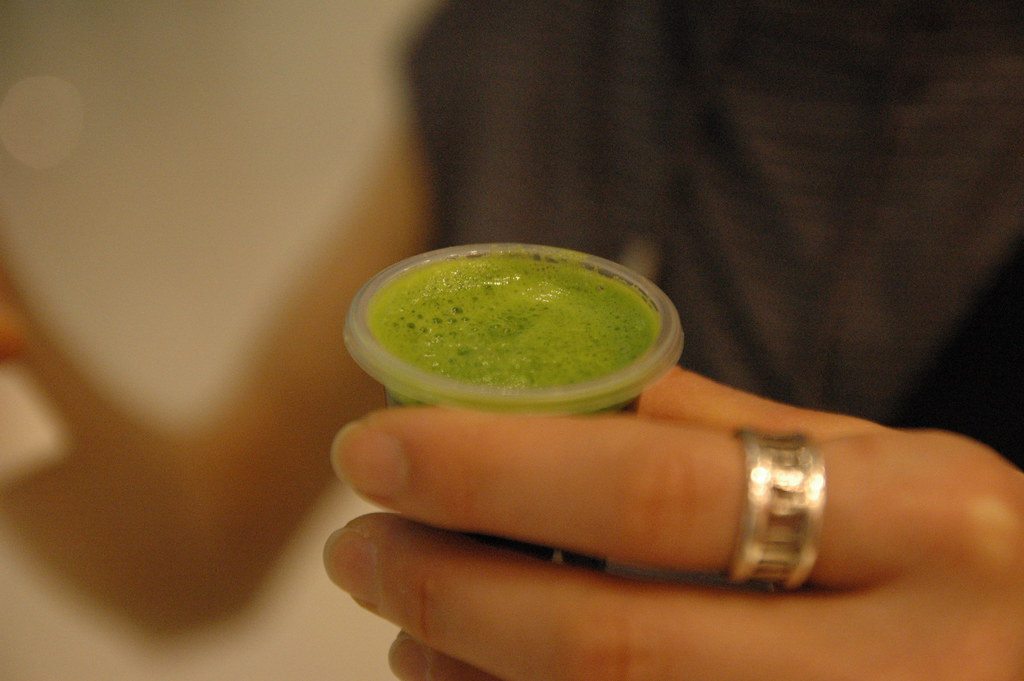
A specialized wheatgrass juicer can separate the liquid from the plant fiber. The resulting juice is usually thick, intensely green, and strongly flavored.
Why do people drink fresh wheatgrass juice?
Wheatgrass juice has become popular because it combines several characteristics that appeal to people interested in concentrated plant foods:
- It can be consumed in a small serving.
- It contains a variety of nutrients and plant compounds.
- Freshly pressed juice avoids the drying process used to make wheatgrass powder.
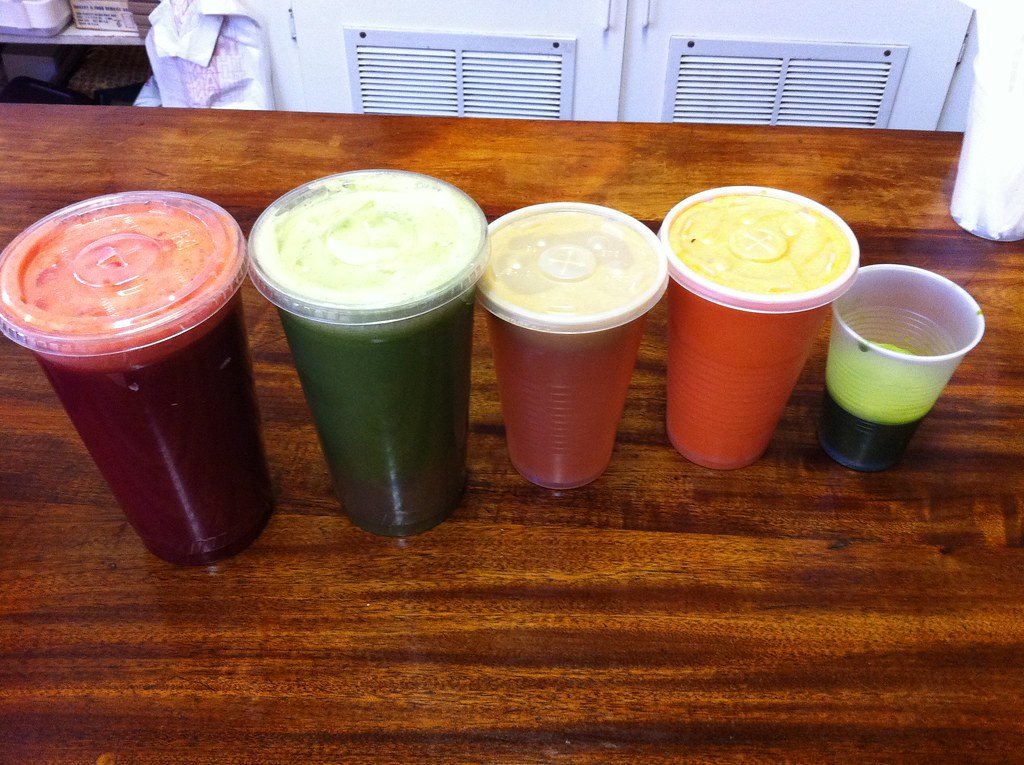
- It can be used on its own or combined with other juices.
- It is easy to portion into a small daily serving.
But popularity and scientific evidence are not the same thing.
Some of the claims surrounding wheatgrass juice have been investigated by researchers, while others are primarily based on traditional use or wellness marketing.
The most useful way to evaluate wheatgrass is to separate those categories.
Fresh wheatgrass juice benefits
1. It provides nutrients and plant compounds
Wheatgrass contains a mixture of vitamins, minerals, amino acids, chlorophyll, flavonoids, phenolic compounds, and other plant constituents.
Memorial Sloan Kettering identifies vitamins A, C, E, K, and several B vitamins among the nutrients found in wheatgrass, along with minerals including iron, calcium, magnesium, and selenium.
Research comparing wheatgrass juice with other vegetable and fruit juices has also found substantial concentrations of several minerals and plant compounds in wheatgrass juice.
That makes fresh wheatgrass juice a source of nutrients and phytochemicals. It does not make wheatgrass a replacement for a balanced diet.
The nutritional content of a serving can also vary depending on the wheatgrass variety, growing conditions, maturity, and juicing method.
Our guide to wheatgrass and amino acids looks more closely at that part of its nutritional profile.
2. Fresh wheatgrass juice contains antioxidant-related compounds
Wheatgrass contains compounds that can demonstrate antioxidant activity in laboratory testing.
Researchers have investigated phenolic compounds, flavonoids, and other components found in wheatgrass for their ability to interact with oxidative-stress pathways — see Gunjal et al. (2024) on the nutritional significance of wheatgrass.
This is one reason wheatgrass frequently appears in discussions about antioxidants.
However, there is a major difference between:
Wheatgrass contains compounds with antioxidant activity.
and:
Drinking wheatgrass juice prevents diseases caused by oxidative stress.
The first statement is supported by research.
The second requires clinical evidence that is not currently strong enough.
So antioxidant activity is a legitimate characteristic of wheatgrass juice, but it should not be turned into a blanket disease-prevention claim.
3. Wheatgrass juice has been studied in ulcerative colitis
One of the most notable clinical studies of wheatgrass juice involved people with active distal ulcerative colitis.
In a 2002 randomized, double-blind, placebo-controlled trial, 23 participants were assigned to receive either 100 cc of wheatgrass juice or a matching placebo daily for one month.
The researchers reported significant reductions in overall disease activity and rectal bleeding in the wheatgrass group.
The study was important because it was a controlled human trial rather than a laboratory experiment. But it was also very small.
Only 23 people enrolled, and complete information was available for 19 participants.
That means the result is interesting but not sufficient to establish wheatgrass juice as an established treatment for ulcerative colitis.
A small trial should be viewed as a reason for further research, not as proof of a universal treatment effect.
Research source: Ben-Arye et al. (2002), Wheat grass juice in the treatment of active distal ulcerative colitis: a randomized double-blind placebo-controlled trial. We cover this trial in more detail in our guide to wheatgrass juice and ulcerative colitis, and the wider evidence in wheatgrass and inflammatory bowel disease.
4. Researchers have studied wheatgrass alongside cancer treatment
Wheatgrass juice is sometimes marketed online as a cancer treatment. The research does not support that claim.
However, wheatgrass has been investigated in cancer-care settings.
One prospective controlled study involving people with stage II–III colon cancer examined wheatgrass juice alongside standard postoperative chemotherapy; Bar-Sela et al., on the gap between basic and clinical applications, reviews this body of work.
Researchers reported differences in certain immune and blood-related measurements between groups.
These findings are preliminary and do not demonstrate that wheatgrass treats cancer, eliminates tumors, or prevents cancer.
This distinction is extremely important.
Memorial Sloan Kettering likewise states that there is no scientific evidence that wheatgrass prevents or treats cancer.
Fresh wheatgrass juice recipe
Making wheatgrass juice at home is relatively simple once you have fresh wheatgrass and a suitable juicer.
Basic fresh wheatgrass juice
Ingredients
- 1–2 ounces fresh wheatgrass
- A small amount of water, if needed
- Optional: fresh lemon or another juice for flavor
Equipment
A wheatgrass juicer or another slow/masticating juicer designed to handle fibrous leafy greens works best.
Instructions
Step 1
Rinse the wheatgrass
Rinse the grass thoroughly under clean running water.
Step 2
Trim if necessary
Remove any damaged or discolored portions.
Step 3
Cut the grass into manageable pieces
Smaller pieces can make feeding the juicer easier.
Step 4
Juice slowly
Feed the wheatgrass through the juicer in small batches.
Step 5
Collect the juice
Fresh wheatgrass juice is typically thick and concentrated.
Step 6
Drink promptly
Fresh juice is highly perishable, so refrigerate it promptly if you are not drinking it immediately.
Optional flavor adjustment
Wheatgrass juice has a strong grassy flavor that not everyone enjoys. A small amount of lemon or another fresh juice can make the flavor easier to tolerate.
Adding fruit juice changes the nutritional composition and sugar content of the drink, so keep that in mind if you prefer wheatgrass for its concentrated plant-food profile.
How much fresh wheatgrass juice should you drink?
There is no universally established daily dose of wheatgrass juice for general health.
Many products and wellness programs recommend small "shots," but those recommendations are not the same thing as a medically established dosage.
The amount used in the 2002 ulcerative-colitis clinical trial was 100 cc per day, but that was a specific research intervention and should not be interpreted as a general recommendation for everyone.
People vary in how well they tolerate wheatgrass juice.
If you are trying it for the first time, starting with a small amount can make it easier to determine how your body responds.
How to store fresh wheatgrass juice
Fresh juice is more perishable than commercially processed beverages.
For the best quality:
- Drink it soon after juicing.
- Keep it refrigerated.
- Store it in a clean, sealed container.
- Avoid leaving it at room temperature for extended periods.
- Wash equipment thoroughly after use.
If you know you will not drink fresh juice quickly, frozen wheatgrass juice can be a more convenient option.
Commercial frozen wheatgrass juice is generally portioned and frozen shortly after production, depending on the manufacturer.
Fresh vs. frozen wheatgrass juice
Fresh and frozen wheatgrass juice are not exactly the same product experience.
Fresh
Frozen
Research does not justify claiming that one format is universally healthier than the other.
The right choice often comes down to freshness, convenience, storage, access, and how consistently someone can actually use the product.
Fresh wheatgrass juice vs. wheatgrass powder
Powder and juice should not be treated as interchangeable.
Powder is typically made by drying wheatgrass and processing it into a shelf-stable form.
Fresh juice starts with recently harvested grass and involves extracting the liquid.
Differences in:
- Processing
- Drying
- Storage
- Concentration
- Serving size
- Growing conditions
can all affect the final product.
Most importantly, a study involving fresh wheatgrass juice does not automatically establish the same result for wheatgrass powder.
When reading research, always check which form researchers actually used.
Can you mix wheatgrass juice with other juices?
Yes.
Wheatgrass juice can be combined with fruit and vegetable juices to make its flavor more approachable.
Popular combinations include:
- Wheatgrass + lemon
- Wheatgrass + apple
- Wheatgrass + cucumber
- Wheatgrass + celery
- Wheatgrass + ginger
There is nothing inherently wrong with combining wheatgrass with other juices.
The main consideration is that adding fruit or sweetened ingredients changes the overall nutritional profile of the drink.
If you are specifically interested in a concentrated wheatgrass serving, using mostly wheatgrass juice keeps the recipe simple.
Fresh wheatgrass juice side effects
Wheatgrass is generally consumed as a food or supplement, but it is not completely free of potential drawbacks.
Nausea
Nausea has been reported after consuming wheatgrass juice.
The strong flavor and concentrated nature of the juice can also make it difficult for some people to tolerate.
Microbial contamination
Fresh wheatgrass is a raw agricultural product.
Memorial Sloan Kettering notes that wheatgrass can be susceptible to microbial contamination because the plants are grown for several days before harvest.
That makes sanitation, water quality, harvesting, handling, and storage important.
Digestive discomfort
Some people may experience gastrointestinal discomfort when trying concentrated wheatgrass products. Individual tolerance varies.
Allergies and dietary restrictions
People with wheat allergy, celiac disease, or other dietary restrictions should evaluate the specific product and how it is produced.
For more information, see our guide to whether wheatgrass is gluten-free.
Is fresh wheatgrass juice safe during pregnancy?
There is not enough evidence to make a general recommendation that fresh wheatgrass juice is appropriate during pregnancy.
Because fresh juice is a raw agricultural product, food-safety considerations also matter.
People who are pregnant or immunocompromised may need to be particularly cautious about raw or unpasteurized products.
For pregnancy-related dietary questions, discussing wheatgrass juice with a healthcare professional is more appropriate than relying on generic wellness claims.
Where can you buy fresh wheatgrass juice?
Fresh wheatgrass is often sold through:
- Local juice bars
- Farmers markets
- Health-food stores
- Organic farms
- Specialty produce suppliers
- Online farms that ship fresh wheatgrass
Local availability varies significantly by location.
Online shipping can make fresh wheatgrass more accessible to people who do not live near a farm or retailer that regularly stocks it.
Some farms also ship frozen wheatgrass juice nationwide, which can be easier to transport and store than fresh juice.
What should you check when buying?
Look for:
Can fresh wheatgrass juice be shipped?
Yes.
Fresh wheatgrass can be shipped when the producer has a system designed to maintain quality and freshness during transit.
The logistics are more demanding than shipping a shelf-stable powder because fresh plant material is perishable.
That means producers may use:
- Insulated packaging
- Cold packs
- Expedited shipping
- Shipping windows designed around delivery times
Frozen wheatgrass juice is often easier to ship because it can remain frozen during transit.
For someone who wants wheatgrass but does not have a local source, nationwide shipping can remove one of the biggest barriers to using fresh or frozen products consistently.
Fresh wheatgrass juice near me vs. ordering online
Searching for "wheatgrass fresh juice near me" makes sense if you want to drink it immediately.
Local options may include:
- Juice bars
- Organic markets
- Farms
- Wellness stores
- Farmers markets
But local availability can be inconsistent.
One week a store may have fresh wheatgrass, and the next week it may not.
Ordering directly from a farm can offer a different experience.
Instead of relying on local inventory, you can choose a grower and have fresh or frozen wheatgrass shipped directly to your home.
The best option depends on whether convenience, immediate availability, or direct farm sourcing matters most to you.
Does fresh wheatgrass juice "detox" your body?
This is one of the biggest wheatgrass claims online—and one of the easiest to overstate.
There is not good clinical evidence that wheatgrass juice performs a general "detox" function in humans.
Your body already has systems involved in processing and eliminating waste, including the liver, kidneys, lungs, and gastrointestinal tract.
Wheatgrass may provide nutrients and plant compounds, but that does not establish it as a detoxification treatment.
What about wheatgrass juice and cancer?
There are legitimate research papers examining wheatgrass in cancer-related settings.
But that does not mean wheatgrass juice prevents or treats cancer.
Some studies have investigated wheatgrass alongside chemotherapy or looked at laboratory mechanisms. These findings are preliminary.
Memorial Sloan Kettering specifically states that there is no scientific evidence that wheatgrass prevents or treats cancer.
So a responsible wheatgrass article should distinguish:
Cancer research involving wheatgrass
from
Proof that wheatgrass treats cancer.
They are not the same thing.
Is fresh wheatgrass juice worth trying?
That depends on your reason for drinking it.
If you like fresh plant-based foods and enjoy the flavor, wheatgrass can be a simple way to add a concentrated green juice to your routine.
There is also legitimate nutritional and scientific interest in wheatgrass.
But the decision becomes different if you are expecting wheatgrass to treat a medical condition.
The current evidence is not strong enough to justify using wheatgrass as a replacement for medical treatment.
The most reasonable approach is to view fresh wheatgrass juice as a food or beverage rather than a cure-all.
The bottom line
Fresh wheatgrass juice is a concentrated drink made from young wheatgrass.
It contains nutrients and plant compounds that have attracted scientific interest, and small clinical studies have investigated its use in areas such as ulcerative colitis and cancer care. But the evidence remains limited.
Fresh juice also comes with practical considerations that powdered products do not, including perishability, refrigeration, juicing equipment, sanitation, and shipping.
For people who want to try wheatgrass, the most important considerations are product quality, freshness, food safety, individual tolerance, and realistic expectations.
And if fresh wheatgrass is difficult to find locally, direct-to-consumer farms can make fresh or frozen wheatgrass available beyond their immediate geographic area.
Frequently asked questions
Sources & further reading
- Ben-Arye et al. (2002), PubMed — Wheat grass juice in the treatment of active distal ulcerative colitis: a randomized double-blind placebo-controlled trialpeer-reviewed study · 1 April 2002
- Memorial Sloan Kettering Cancer Center — Wheat Grassuniversity
- PubMed — Effect of Wheatgrass Juice on Nutritional Quality of Apple, Carrot, Beet, Orange and Lemon Juicepeer-reviewed study
- Gunjal et al. (2024), PubMed — Nutritional Significance of Wheatgrass: Cultivation Practices and Opportunities for its Processing and Preservationpeer-reviewed study · 1 February 2024
- Bar-Sela et al., PubMed — The Medical Use of Wheatgrass: Review of the Gap Between Basic and Clinical Applicationspeer-reviewed study
- Andi’s Way (product information, not scientific evidence) — Organic Wheatgrass Products — Fresh & Frozen Optionsother
- Andi’s Way (product information, not scientific evidence) — Our Growing & Shipping Processother
Related guides
Can Wheatgrass Juice Help Ulcerative Colitis? Benefits, Evidence, and How to Use It Safely
What the limited clinical evidence says about wheatgrass juice and ulcerative colitis, how it fits beside prescribed treatment, and how to choose a product safely.
9 min read
Is Wheatgrass Gluten-Free? What People With Celiac Disease and Wheat Allergy Should Know
Pure wheatgrass can be gluten-free because it is harvested before mature wheat grain develops — but contamination, labeling, and wheat allergy are separate questions.
9 min read
Wheatgrass and Amino Acids: What You Should Know About Its Nutrition
Wheatgrass contains a range of amino acids, including all nine essential ones in some analyses — but containing amino acids is not the same as being a protein source. Here's what the research actually shows.
8 min read
Stay in the loop
New guides, when they publish
An occasional email when a new guide goes live. No spam.
Your email is stored privately for future guide updates. No emails are being sent yet. Privacy policy