Wheatgrass · Seeds & Growing
Wheatgrass Plant: How to Grow Wheatgrass at Home, Care for It & Harvest It
Wheatgrass is one of the fastest, simplest crops to grow indoors. This guide covers seed selection, soaking, trays, watering, light, mold prevention, harvesting, growing for juicing, and growing wheatgrass as pet grass.
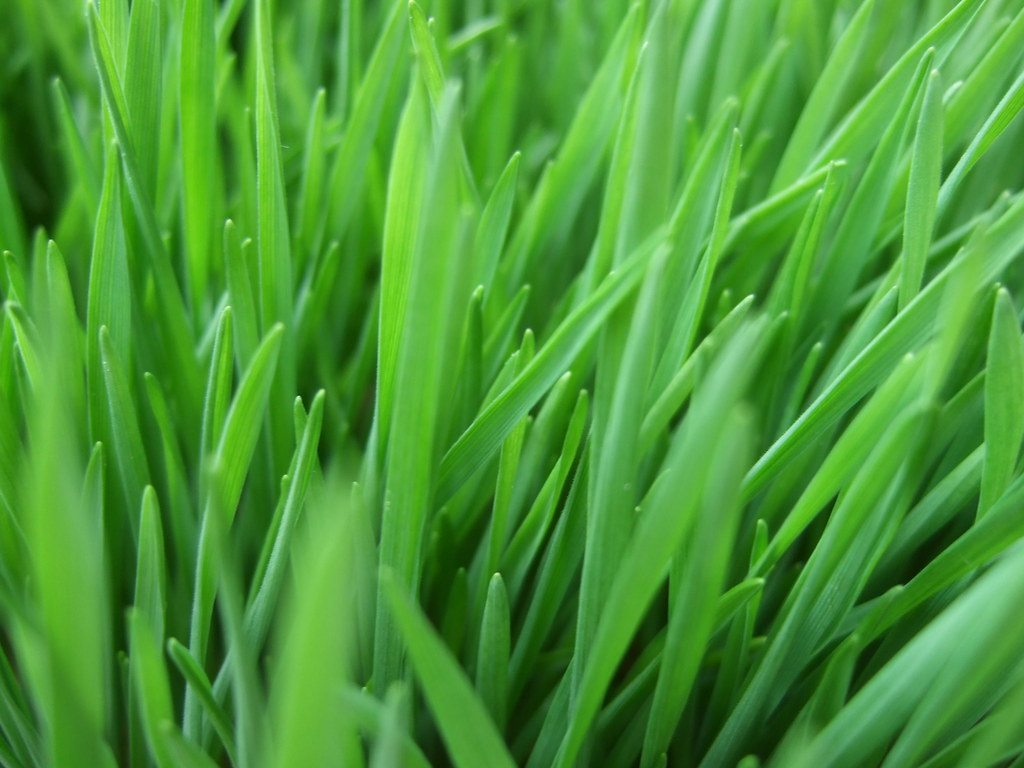
Under suitable conditions, wheatgrass can be ready to harvest in roughly 7–10 days after planting, although the exact timing depends on the growing environment.
For people growing wheatgrass specifically for juicing, harvesting while the grass is young is generally preferred.
And if you do not want to grow your own, wheatgrass can also be purchased fresh from farms and growers.
For the wider picture, see our pillar guide to wheatgrass benefits, nutrition and side effects, or browse the full wheatgrass topic hub.
What is a wheatgrass plant?
Wheatgrass is the young grass of the wheat plant, usually Triticum aestivum.
It is harvested before the plant matures and produces the wheat grain associated with conventional wheat foods. That makes wheatgrass very different in appearance and use from the wheat used to make flour.
Young wheatgrass is commonly grown specifically for:
- Juicing
- Smoothies
- Wheatgrass shots
- Fresh greens
- Home growing projects
- Sprouting and indoor gardening
- Pet grass
The plant grows quickly, which is one reason it has become popular with home gardeners. A typical wheatgrass growing cycle can take only about a week to 10 days, meaning someone can start a tray and have fresh grass available relatively quickly.
What does wheatgrass need to grow?
Wheatgrass does not require a complicated setup. A basic indoor growing system includes:
Wheatgrass seeds
Use seed intended for growing or sprouting wheatgrass.
A shallow tray
A tray approximately 10×20 inches is commonly used for growing wheatgrass.
Growing medium
Soil or an appropriate compost-based growing medium can support the developing roots.
Water
Wheatgrass needs consistent moisture, but constantly waterlogged conditions can encourage mold.
Light
Once the seedlings establish themselves, adequate light helps produce healthy green blades.
Airflow
Good airflow can help reduce excess humidity and mold problems.
The goal is not to build a complicated hydroponic system. For most beginners, a clean tray, suitable seed, quality growing medium, water, and light are enough to get started.
What kind of wheatgrass seeds should you buy?
The seed is one of the most important parts of growing wheatgrass successfully. Wheatgrass is generally grown from wheat berries or wheat seed that can germinate into young grass.
When buying seed, look for:
- High germination quality
- Seed intended for sprouting or wheatgrass
- Clear sourcing information
- Untreated seed intended for food or sprouting use
- Appropriate storage instructions
Avoid assuming that every wheat seed sold for agricultural planting is suitable for growing food at home. A product specifically sold for wheatgrass or sprouting removes some of that uncertainty.
Andi’s Way currently sells certified-organic Hard Red Winter Wheat seed specifically marketed for growing wheatgrass, including home trays and juicing. Its current product page says the seed is designed to produce wheatgrass in approximately 7–10 days under suitable conditions.
How to grow wheatgrass at home
Growing wheatgrass is a simple multi-step process.
Step 1
Soak the seeds
Place the wheatgrass seeds in a clean container and add enough water to completely cover the seed. Andi’s Way’s current growing guide recommends soaking the seed for approximately 6–8 hours. The seeds absorb water and begin the germination process.
Step 2
Drain and rinse
Drain the seeds, rinse them thoroughly, and place them somewhere clean to continue sprouting. Andi’s Way recommends covering the drained seed with a damp paper towel and allowing it to continue developing before planting.
Step 3
Wait for the seeds to begin sprouting
The seeds will begin developing small roots or shoots. Timing varies with temperature, humidity, seed quality, moisture, and growing environment. You do not need a long root or tall sprout before moving to the tray — the goal is to get the seed started without allowing the sprout to become excessively long.
Step 4
Prepare the growing tray
Fill a clean shallow tray with your growing medium. A layer around 1½ inches of soil is recommended in Andi’s Way’s growing instructions. Level the surface so water can distribute reasonably evenly, and avoid packing the growing medium down excessively.
Step 5
Spread the sprouted seed
Distribute the sprouted wheat seed evenly across the surface. The seeds should be close together, but avoid creating multiple layers of seed stacked on top of one another. An evenly distributed layer helps the wheatgrass grow more consistently.
Step 6
Lightly water
Water the tray evenly. The goal is to keep the growing medium moist without creating standing water. Overwatering is one of the easiest ways to create a problem with mold.
Step 7
Cover the tray
Some growers use a second tray as a temporary cover to help maintain humidity while the seeds establish themselves. Andi’s Way recommends placing an empty tray over the newly planted seed and removing it once the growing grass begins to push the cover upward, which its guide says is often around day three.
Step 8
Continue watering
Once the grass is established, continue watering consistently. Try to maintain a routine rather than allowing the tray to dry out completely and then heavily flooding it. A warm, dry room will behave differently from a humid indoor space.
Step 9
Provide light
As the shoots grow, provide adequate light. Wheatgrass develops its characteristic green color as it grows and photosynthesizes. A bright indoor location can work, provided temperatures and moisture remain appropriate. If you are growing multiple trays, rotating their position can help maintain reasonably consistent growing conditions.
Step-by-step photographs and grower notes are available in Andi’s Way’s home wheatgrass growing guide.
How long does wheatgrass take to grow?
Wheatgrass grows quickly. Under suitable conditions, it can commonly be ready to harvest around 7–10 days after planting. However, there is no exact universal harvest day.
Growth speed depends on:
- Temperature
- Light
- Seed quality
- Moisture
- Growing medium
- Air circulation
- Humidity
Andi’s Way’s current wheatgrass seed listing says its organic Hard Red Winter Wheat can produce wheatgrass in approximately 7–10 days. Its own growing guide also describes a short growing cycle from soaking through harvest. A 2024 review of wheatgrass cultivation and processing similarly describes wheatgrass as a short-cycle crop.
When is wheatgrass ready to harvest?
Wheatgrass is usually harvested while it is still young and vibrant green. For juicing, you generally want healthy, upright blades rather than grass that has become old, yellow, damaged, or overgrown.
Many growers harvest the entire tray at once. Andi’s Way specifically recommends cutting the entire tray rather than leaving the grass growing indefinitely. Its guide notes that the plant continues aging and uses resources as it develops further.
For a continuous supply, stagger your planting. For example, instead of planting five trays on one day, plant one or two trays every few days. That creates a rotating harvest.
How do you harvest wheatgrass?
Harvesting is straightforward. Use a clean pair of scissors or a clean harvesting tool. Cut the grass above the growing medium, and try to avoid cutting into the soil.
Once harvested:
Fresh wheatgrass is perishable, so it should be handled similarly to other fresh greens.
How do you grow wheatgrass for juicing?
The basic growing process is the same, but juicing adds a few considerations. You want:
- Clean seed
- Healthy grass
- Consistent growth
- Minimal mold
- Fresh harvesting
- A suitable wheatgrass juicer
Wheatgrass is very fibrous, which is why it is normally juiced rather than eaten like lettuce. A specialized wheatgrass or masticating juicer can extract the liquid while separating the fibrous material.
If you are growing specifically for juice, plan your trays around your expected consumption. For example, a person drinking wheatgrass regularly may prefer several smaller staggered trays instead of one large tray.
Our guides to wheatgrass juice and fresh wheatgrass juice cover juicing, storage, and serving sizes in more detail.
Can you grow wheatgrass in an apartment?
Yes. Wheatgrass is particularly suited to indoor growing because it does not require a large amount of space. A small tray can fit:
- On a kitchen counter
- Near a bright window
- On a growing shelf
- Under a suitable grow light
The biggest indoor challenges are usually:
- Moisture management
- Mold
- Light
- Airflow
- Keeping the growing area clean
Because wheatgrass grows so quickly, even a small indoor setup can produce a meaningful amount of grass.
Can you grow wheatgrass without soil?
Yes, although soil-based growing is one of the simplest options for beginners. Wheatgrass can be grown using different growing systems, including soil and other growing media. Some growers use hydroponic or soilless methods.
The growing system does not automatically determine whether the resulting wheatgrass is “better.” For beginners, soil or a suitable compost-based medium provides a straightforward way to get started without specialized equipment.
Andi’s Way currently grows its commercial wheatgrass in nutrient-rich organic compost rather than hydroponically.
How much water does wheatgrass need?
Wheatgrass needs consistent moisture while it is growing. However, more water does not necessarily mean faster or healthier growth.
Too much moisture can encourage:
- Mold
- Root problems
- Poor airflow
- Standing water
A practical approach is to keep the growing medium evenly moist without saturating it. The correct amount depends on your growing environment. Warm, dry indoor environments may require more frequent watering than humid ones.
How much light does wheatgrass need?
Wheatgrass needs light once it has established itself. A bright window may be sufficient in some homes. If natural sunlight is limited, a suitable grow light can provide an alternative.
The goal is to provide enough light for healthy green growth while avoiding excessive heat. Very hot conditions can stress a young tray, especially when combined with high humidity.
Why is my wheatgrass turning yellow?
Yellowing can have several causes. Possible factors include:
Insufficient light
Young wheatgrass needs adequate light to develop its characteristic green color.
Water problems
Too little water can cause stress, while excessive watering can create root and mold problems.
Aging grass
Wheatgrass does not stay at its ideal young stage indefinitely.
Growing medium problems
Poor drainage or unsuitable growing material can affect plant health.
Temperature
Extremely hot or cold conditions can slow development.
If only a few blades are yellow, inspect the tray and growing environment. If the entire tray is struggling, check light, moisture, temperature, and airflow before changing your entire setup.
Why is my wheatgrass getting mold?
Mold is one of the most common problems with indoor wheatgrass. The combination of dense seed coverage, moisture, warm temperatures, humidity, and limited airflow can create favorable conditions for mold growth.
Andi’s Way’s growing instructions emphasize evenly distributed seed and consistent watering rather than excessive moisture.
How often should you plant new wheatgrass?
That depends on how much you use. If you only want occasional wheatgrass juice, one tray may be sufficient. If you want a regular supply, stagger your trays. For example:
- Day 1: Tray A
- Day 3: Tray B
- Day 5: Tray C
- Day 7: Tray D
As the first tray becomes ready to harvest, another tray is approaching the same stage. This creates a small home growing cycle rather than relying on one large planting.
Can you grow wheatgrass from wheat berries?
Yes. Wheat berries are whole wheat kernels that can germinate into wheatgrass when they are viable and suitable for sprouting. When buying them specifically for growing, pay attention to whether they are sold as sprouting or wheatgrass seed. You want seeds capable of germinating reliably.
Andi’s Way currently sells organic Hard Red Winter Wheat specifically for growing wheatgrass and describes it as suitable for indoor or outdoor growing.
Is wheatgrass the same as grass for cats?
Not exactly. Cats may eat grass as a natural behavior, but not every grass or plant is appropriate for pets.
PetMD notes that specially grown wheat or oat grass can provide a safer option for cats, provided the grass has not been treated with pesticides or fertilizers. It also warns that eating large amounts or very long pieces of grass can create gastrointestinal risks.
The important distinction is between clean, intentionally grown pet grass and grass exposed to lawn chemicals, pesticides, fertilizers, or contaminated soil.
If you are growing wheatgrass specifically for a cat, use untreated seed and clean growing materials, and supervise the pet’s access. If a cat begins eating unusual amounts of grass or develops vomiting, lethargy, or other concerning symptoms, speak with a veterinarian.
The ASPCA also notes that plant material can cause gastrointestinal upset in dogs and cats even when a plant is classified as non-toxic.
Can cats eat wheatgrass?
Specially grown wheatgrass can be used as cat grass, and veterinary guidance commonly recognizes wheat or oat grass as an option for cats. But that does not mean cats should eat unlimited amounts.
PetMD recommends using grass that has not been treated with pesticides or fertilizers and cautions that large amounts or long pieces can create problems.
Do not allow pets access to wheatgrass grown with:
- Pesticides
- Herbicides
- Chemical fertilizers
- Contaminated soil
- Unknown treatments
If your cat has an underlying medical condition or develops symptoms after eating grass, consult a veterinarian.
Can you grow wheatgrass from a store-bought wheatgrass plant?
You can buy established wheatgrass, but starting from seed is generally more practical for someone who wants a continuing supply. Fresh wheatgrass sold for juicing is usually harvested specifically for consumption rather than intended to become a long-term houseplant.
Growing from seed gives you:
- More control over the growing cycle
- A renewable supply
- The ability to stagger trays
- Control over the growing medium
- Control over harvesting
If you are looking for a wheatgrass plant near you, local farms, garden centers, and specialty growers may have fresh trays available.
Can you buy a wheatgrass plant online?
Yes. There are two different things people may mean by “buy wheatgrass.”
- Buy ready-to-use wheatgrass — you purchase fresh-grown wheatgrass and use it for juicing or another purpose.
- Buy wheatgrass seeds — you purchase wheat seed and grow your own grass.
The second option is more useful if you want a recurring home supply.
Andi’s Way currently offers both fresh organic wheatgrass and organic wheat seed specifically intended for growing wheatgrass. It also sells trays and wheatgrass juicers, making it possible to build a growing-and-juicing setup from the same source, with products shipped to customers nationwide.
How to build a simple wheatgrass growing setup
A basic beginner setup can be surprisingly simple.
Choose your starting setup
How far do you want to take it?
Is growing wheatgrass cheaper than buying it?
It can be, depending on your setup, how much wheatgrass you consume, and how often you grow it. Growing your own requires an initial investment in:
- Seeds
- Trays
- Growing medium
- Possibly a light
- Possibly a juicer
After the setup is established, seed can be relatively inexpensive compared with repeatedly buying ready-to-drink shots. But convenience has value too.
Buying fresh wheatgrass means you do not have to:
- Soak seeds
- Maintain trays
- Monitor moisture
- Deal with mold
- Harvest
- Clean growing equipment
For some people, buying fresh wheatgrass is worth the convenience. For others, growing it is part of the appeal.
Does growing your own wheatgrass make sense?
For someone who enjoys gardening, juicing, or controlling exactly what goes into their food, wheatgrass is an easy crop to experiment with. It grows quickly, requires little space, and does not require advanced gardening knowledge.
The main challenges are consistency, moisture control, mold prevention, and keeping your growing area clean.
The bottom line
A wheatgrass plant is simply the young grass of the wheat plant, and it is surprisingly easy to grow at home. With suitable seed, a shallow tray, growing medium, water, and light, a beginner can often produce a harvest within roughly a week to 10 days.
The most important parts of growing wheatgrass successfully are:
Wheatgrass can also be grown specifically for juicing or as pet grass when cultivated and handled appropriately. And if you would rather skip the growing process, fresh wheatgrass is also available from farms and specialty growers.
For people who enjoy the DIY side of wheatgrass, though, starting with a tray of seed may be the simplest way to turn a small amount of space into a recurring supply of fresh grass.
Frequently asked questions
Sources & further reading
- Gunjal et al. (2024), PubMed — Nutritional Significance of Wheatgrass: Cultivation Practices and Opportunities for its Processing and Preservationreview article · 1 February 2024
- PetMD — Why Do Cats Eat Grass?other
- ASPCA — Toxic and Non-Toxic Plantsother
- Andi’s Way (growing information, not scientific evidence) — How to Grow Wheatgrass Successfully at Homeother
- Andi’s Way (product information, not scientific evidence) — Organic Wheat Seed for Growing Wheatgrassother
- Andi’s Way (product information, not scientific evidence) — Wheatgrass Growing Traysother
- Andi’s Way (product information, not scientific evidence) — Wheatgrass Juicersother
- Andi’s Way (product information, not scientific evidence) — Organic Wheatgrass — Fresh Wheatgrassother
Related guides
Wheatgrass: Benefits, Nutrition, Side Effects, Uses & What the Research Says
A complete guide to wheatgrass: what it is, its nutrition, what the research does and does not show, side effects, gluten questions, growing basics, powder vs. juice, and where to buy it.
13 min read

Wheatgrass Juice: Benefits, How to Make It, Side Effects & Where to Buy It
What wheatgrass juice is, what the research actually shows, how to make it, fresh vs. frozen, powder comparisons, raw-juice safety, and where to buy it.
11 min read

Fresh Wheatgrass Juice: Benefits, How to Make It, Side Effects & Where to Buy It
What fresh wheatgrass juice is, what the research actually shows, how to make and store it, its side effects, and how fresh compares with frozen and powdered wheatgrass.
10 min read
Stay in the loop
New guides, when they publish
An occasional email when a new guide goes live. No spam.
Your email is stored privately for future guide updates. No emails are being sent yet. Privacy policy