Wheatgrass · Nutrition & Wellness
Wheatgrass Antioxidant Properties: What the Research Actually Shows
Antioxidants are one of the most heavily marketed ideas in the wheatgrass world. This guide separates measured laboratory activity from proven health outcomes, and looks at what growing, harvesting and processing actually change.
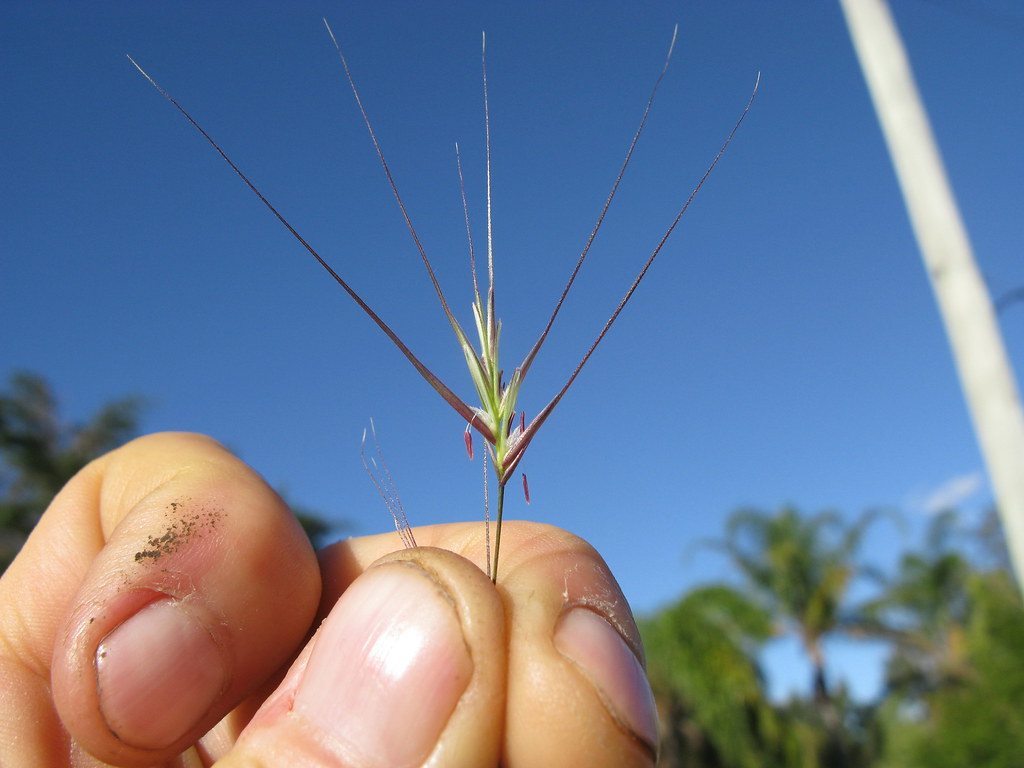
Researchers have also found that the antioxidant activity of wheatgrass can vary depending on the plant’s growing conditions, age, and processing method.
But there is an important distinction between antioxidant activity measured in a laboratory and a proven health benefit in people. Current evidence does not establish that drinking wheatgrass prevents cancer, reverses aging, “detoxes” the body, or prevents diseases simply because wheatgrass contains antioxidants.
For the wider picture, see our pillar guide to wheatgrass benefits, nutrition and side effects.
What are antioxidants?
Antioxidants are substances that can help limit or regulate oxidation and reactions involving highly reactive molecules.
Our bodies naturally produce reactive oxygen species as part of normal metabolism. The body also has its own antioxidant defense systems, including enzymes and other molecules that help regulate oxidative processes.
Antioxidants can come from foods as well. Fruits, vegetables, legumes, whole grains, nuts, seeds, and other plant foods contain a wide variety of compounds with antioxidant properties.
The National Institute of General Medical Sciences explains that antioxidants can help prevent or delay certain types of cellular damage by interacting with reactive oxygen species. That does not mean every antioxidant-containing food has a demonstrated effect against every disease.
What is oxidative stress?
Oxidative stress occurs when the production of reactive molecules and the body’s ability to regulate them become imbalanced.
Reactive molecules are not automatically harmful. They are also involved in normal biological signaling and other essential processes. The body therefore does not need to eliminate every reactive molecule.
The National Center for Complementary and Integrative Health notes that the body has its own mechanisms for regulating oxidative stress and that antioxidant molecules may participate in these pathways. It also cautions that very large amounts of antioxidant compounds are not necessarily beneficial.
This is an important concept when evaluating products marketed as “antioxidant superfoods.” More antioxidant activity on a laboratory test does not automatically equal better health.
Why does wheatgrass have antioxidant properties?
Wheatgrass contains several types of compounds that can contribute to antioxidant activity. These include:
- Phenolic compounds
- Flavonoids
- Vitamin C
- Vitamin E
- Carotenoid-related compounds
- Chlorophyll
- Other plant phytochemicals
A scientific review of wheatgrass identifies chlorophyll, flavonoids, and vitamins including C and E among its components. Our guide to wheatgrass and amino acids covers another part of that nutritional profile.
Researchers have also directly measured antioxidant activity in wheatgrass using laboratory assays. A study published in the Journal of Food Science used DPPH and FRAP assays to examine the antioxidant activity of wheatgrass at different stages of development and found that antioxidant activity changed as the plant matured.
This suggests that the phrase “wheatgrass has antioxidants” is scientifically reasonable. The question becomes much more complicated when we ask what those antioxidants actually do after someone consumes the plant.
Wheatgrass antioxidant activity in laboratory studies
One way researchers study antioxidants is by exposing a sample to molecules that can be neutralized by antioxidant compounds. The resulting change can then be measured. Wheatgrass has demonstrated antioxidant activity in several of these tests.
For example, researchers examining different wheatgrass drying methods measured antioxidant activity in shade-dried, oven-dried, and freeze-dried samples. The reported antioxidant activity differed somewhat between processing methods, with freeze-dried wheatgrass showing the highest value among the methods tested in that study.
Another study found that the total phenolic and flavonoid content and free-radical-scavenging activity of wheatgrass juice varied with cultivation conditions.
Does fresh wheatgrass have more antioxidants than powder?
Not necessarily.
Fresh wheatgrass, dried wheatgrass powder, and wheatgrass juice powder are different preparations. Processing can change the concentration and stability of certain compounds.
A study examining different drying methods found measurable differences in vitamin C, beta-carotene, chlorophyll, flavonoids, and antioxidant activity depending on how wheatgrass was dried. That means there is no simple rule such as “fresh = always better” or “powder = always more concentrated.” The answer depends on the specific product and processing method.
When comparing products, it is more useful to ask:
- How was the wheatgrass grown?
- When was it harvested?
- Was it juiced?
- Was it dried?
- How was it stored?
- Was it exposed to heat?
- What does the manufacturer actually measure?
Does wheatgrass juice have antioxidant properties?
Yes. Studies of wheatgrass juice have found phenolic compounds, flavonoids, and measurable free-radical-scavenging activity.
Research examining wheatgrass juice under different cultivation conditions found that both total phenolics and flavonoids were associated with differences in measured antioxidant activity. This is one reason wheatgrass juice is commonly discussed as an antioxidant-containing beverage.
However, the same evidence does not establish that drinking wheatgrass juice produces a specific clinical outcome such as preventing cancer or cardiovascular disease. The scientifically supported statement is about the composition and measured activity of the juice, not a guaranteed disease benefit. For the practical side, see our guides to wheatgrass juice and fresh wheatgrass juice.
Does wheatgrass antioxidant activity prevent cancer?
There is currently not enough evidence to say that wheatgrass prevents cancer. This is one of the most common places where wheatgrass marketing goes beyond the research.
Scientists have studied wheatgrass and related plant compounds in laboratory and animal models, including research involving oxidative stress and cancer-related biological pathways. There have also been preliminary human studies in which wheatgrass was consumed alongside conventional cancer treatment. But those findings do not demonstrate that wheatgrass itself prevents cancer.
Memorial Sloan Kettering states that there is no scientific evidence that wheatgrass prevents or treats cancer. The broader antioxidant literature also provides an important warning against assuming that antioxidant supplementation automatically reduces cancer risk: NCCIH notes that antioxidant effects are biologically complex and that large amounts of antioxidants are not necessarily beneficial.
Does wheatgrass help skin because of its antioxidants?
“Wheatgrass benefits for skin” is another common search. The logic behind the claim is understandable: oxidative processes are involved in skin biology, and wheatgrass contains antioxidant-related compounds.
But there is limited direct human evidence showing that drinking wheatgrass improves skin. There is not enough evidence to say that wheatgrass:
- Removes wrinkles
- Clears acne
- Treats eczema
- Reverses skin aging
- Repairs sun damage
- Prevents skin cancer
The more defensible claim is simply that wheatgrass contains compounds with antioxidant properties. That is different from establishing a cosmetic or dermatological benefit.
Does antioxidant activity mean wheatgrass is anti-inflammatory?
Not automatically.
Oxidative stress and inflammation can interact biologically, but they are not the same thing. A compound can demonstrate antioxidant activity without necessarily reducing inflammation in humans.
Laboratory studies of wheatgrass have investigated both oxidative and inflammatory pathways, but those findings should not be interpreted as proof that consuming wheatgrass will reduce inflammation throughout the body.
This distinction becomes especially important for searches involving inflammatory bowel disease, arthritis, or other inflammatory conditions. For example, a small randomized clinical trial has investigated wheatgrass juice in ulcerative colitis, but one study is not enough to establish a general anti-inflammatory effect — see our guide to wheatgrass and inflammatory bowel disease.
What is the connection between chlorophyll and antioxidants?
Chlorophyll is one of the compounds that makes wheatgrass so visually distinctive. Because wheatgrass is intensely green, chlorophyll often becomes the center of marketing claims about “detoxification,” oxygenation, or blood building.
However, those claims should be treated carefully. Memorial Sloan Kettering specifically notes that the idea that chlorophyll in wheatgrass increases hemoglobin because chlorophyll and hemoglobin are structurally similar is not supported by scientific evidence.
Chlorophyll is a legitimate plant pigment. Its presence in wheatgrass does not establish every health claim associated with it.
Do antioxidants “detox” the body?
No — not in the way that the word is commonly used in wellness marketing.
The body already has organs and biological systems involved in processing and eliminating substances, including the liver, kidneys, lungs, and gastrointestinal tract. Antioxidants participate in normal cellular defense systems. That is different from a food literally “pulling toxins out” of the body.
Memorial Sloan Kettering notes that claims that wheatgrass can detoxify the body are not supported by scientific evidence. So while wheatgrass contains antioxidant compounds, calling it a “detox” treatment goes beyond what the evidence supports.
Does eating wheatgrass on an empty stomach make the antioxidants work better?
There is no established evidence that wheatgrass antioxidants become more effective simply because the juice is consumed on an empty stomach. This is a popular wellness claim, but it is not the same thing as a demonstrated physiological effect.
If someone prefers drinking wheatgrass before breakfast and tolerates it well, that is a personal routine. It should not be presented as a scientifically proven method for increasing antioxidant absorption or maximizing health benefits.
What about wheatgrass benefits for men and women?
The antioxidant compounds found in wheatgrass are not inherently specific to one sex. There is no strong evidence establishing a separate set of antioxidant benefits specifically for men versus women.
One small human study has investigated wheatgrass supplementation in hyperlipidemic South Asian women, while other studies have examined different populations. Those studies do not establish special antioxidant effects for women or men as groups.
The better approach is to discuss the plant’s composition and the population actually studied rather than creating separate lists of “male benefits” and “female benefits” without evidence.
What about wheatgrass nutrition?
Antioxidant activity is only one part of wheatgrass’s nutritional profile. Wheatgrass also contains various nutrients and plant compounds, although exact amounts vary depending on growing and processing conditions.
A nutritional review describes wheatgrass as a source of vitamins, minerals, chlorophyll, flavonoids, phenolic compounds, and other bioactive constituents. That means a wheatgrass serving may contribute several different compounds at once.
But there is no universal “wheatgrass nutrition per 100 grams” value that applies equally to fresh grass, juice, frozen juice, powder, and supplements. Water content and processing alone can dramatically change the numbers listed on a nutritional analysis.
Wheatgrass side effects and safety
The fact that wheatgrass contains antioxidants does not make every wheatgrass product risk-free. Potential considerations include:
Nausea
Nausea has been reported after wheatgrass juice consumption.
Strong taste
Some people find the intense grassy flavor difficult to tolerate.
Food-safety concerns
Fresh wheatgrass is a raw agricultural product and can present microbial-contamination concerns if growing or handling conditions are inadequate. Memorial Sloan Kettering specifically notes this concern because wheatgrass is grown for several days before harvest.
Individual dietary restrictions
People with wheat allergy, celiac disease, or other dietary restrictions should evaluate the specific product and its processing — see is wheatgrass gluten-free? Antioxidant content does not change these basic safety considerations.
What makes a wheatgrass product a good source of antioxidants?
There is no single label that guarantees a product is “high quality” from an antioxidant perspective. Instead, consider the whole production process.
Is fresh wheatgrass better than powder for antioxidants?
There is no universal answer.
Some compounds may be better preserved under certain processing conditions, while other products may be designed specifically to stabilize or concentrate certain components.
A study of dried wheatgrass found meaningful differences between drying methods, including differences in measured antioxidant activity. This means a blanket statement such as “fresh always has more antioxidants” is too simplistic. The specific production and processing method matters more than the word “fresh” alone.
What does the research actually prove?
This is probably the most important part of the entire topic.
What is well supported?
Wheatgrass contains phenolic compounds, flavonoids, vitamins, and other plant constituents. Laboratory assays demonstrate antioxidant activity in wheatgrass and wheatgrass-derived products.
What is plausible but still being studied?
Researchers are investigating whether those compounds have meaningful biological effects after consumption.
What has been studied in humans?
Small human studies have investigated wheatgrass in areas such as oxidative stress, lipid-related measures, ulcerative colitis, blood disorders, and cancer-treatment-related outcomes.
What is not established?
There is not enough evidence to conclude that wheatgrass:
- Prevents cancer
- Cures disease
- Detoxifies the body
- Reverses aging
- Guarantees better skin
- Replaces medical treatment
A 2015 scientific review concluded that the existing clinical trials were small and had methodological problems, and that larger studies are needed before clinical recommendations can be made.
The bottom line
Wheatgrass has legitimate antioxidant properties. Its leaves contain phenolic compounds, flavonoids, vitamins, and other plant constituents, and laboratory studies consistently show antioxidant activity in wheatgrass and wheatgrass-derived preparations.
But antioxidant activity is not the same thing as a proven health outcome. There is no good evidence that drinking wheatgrass automatically prevents cancer, detoxifies the body, reverses aging, or treats disease simply because it contains antioxidants.
The better way to understand wheatgrass is as a plant food containing antioxidant-related compounds, with an interesting research base that is still developing.
The quality and processing of the wheatgrass also matter, since growing conditions and drying methods can change the measurable antioxidant profile.
Frequently asked questions
Sources & further reading
- Parit et al. (2018), PubMed — Nutritional Quality and Antioxidant Activity of Wheatgrass (Triticum aestivum) Unwrap by Proteome Profiling and DPPH and FRAP Assayspeer-reviewed study · 1 August 2018
- PubMed Central (2019) — Effect of Drying Procedures on Nutritional Composition, Bioactive Compounds and Antioxidant Activity of Wheatgrasspeer-reviewed study · 1 January 2019
- PubMed Central — Elemental and Macromolecular Modifications in Triticum aestivum Plantlets Under Different Cultivation Conditionspeer-reviewed study
- Bar-Sela et al. (2015), PubMed — The Medical Use of Wheatgrass: Review of the Gap Between Basic and Clinical Applicationsreview article · 1 July 2015
- National Center for Complementary and Integrative Health — Antioxidant Supplements: What You Need To Knowgovernment
- National Institute of General Medical Sciences — Science Snippet: Antioxidants Explainedgovernment
- Memorial Sloan Kettering Cancer Center — Wheat Grassuniversity
- Andi’s Way (product information, not scientific evidence) — Organic Wheatgrassother
- Andi’s Way (production information, not scientific evidence) — Our Growing & Shipping Processother
Related guides
Wheatgrass: Benefits, Nutrition, Side Effects, Uses & What the Research Says
A complete guide to wheatgrass: what it is, its nutrition, what the research does and does not show, side effects, gluten questions, growing basics, powder vs. juice, and where to buy it.
13 min read

Wheatgrass Juice: Benefits, How to Make It, Side Effects & Where to Buy It
What wheatgrass juice is, what the research actually shows, how to make it, fresh vs. frozen, powder comparisons, raw-juice safety, and where to buy it.
11 min read

Wheatgrass and Amino Acids: What You Should Know About Its Nutrition
Wheatgrass contains a range of amino acids, including all nine essential ones in some analyses — but containing amino acids is not the same as being a protein source. Here's what the research actually shows.
8 min read
Stay in the loop
New guides, when they publish
An occasional email when a new guide goes live. No spam.
Your email is stored privately for future guide updates. No emails are being sent yet. Privacy policy