Wheatgrass · Pillar guide
Wheatgrass: Benefits, Nutrition, Side Effects, Uses & What the Research Says
Wheatgrass is one of the most heavily marketed plant foods there is. This pillar guide sets out what the young grass actually contains, what human research has found, and where the popular claims run ahead of the evidence.
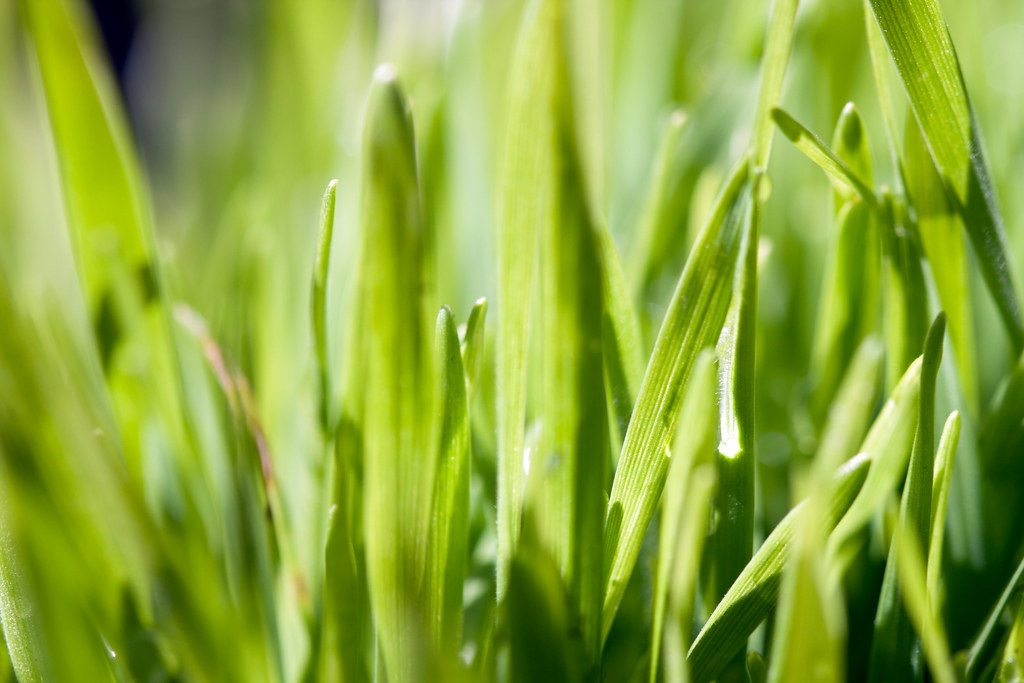
Wheatgrass contains nutrients and plant compounds including vitamins, minerals, chlorophyll, amino acids, flavonoids, and phenolic compounds. Research has also found antioxidant activity and has investigated wheatgrass in areas such as ulcerative colitis, blood disorders, cholesterol-related markers, and cancer-treatment-related outcomes.
However, the strength of the evidence varies widely.
Some claims about wheatgrass are supported by its nutritional composition. Others come from small human studies or laboratory research. Claims that wheatgrass "detoxes" the body, cures cancer, prevents disease, or replaces medical treatment are not supported by strong clinical evidence.
For most people, the most accurate way to think about wheatgrass is as a nutrient-containing young grass with an interesting but still developing research base.
What is wheatgrass?
Wheatgrass is the young grass of common wheat, scientifically known as Triticum aestivum.
It is harvested while the plant is still in its leafy stage, before it develops mature wheat grain.
That is why wheatgrass looks and behaves very differently from the wheat used to make flour, bread, and pasta.
Wheatgrass is commonly sold as:
- Fresh-cut wheatgrass
- Fresh wheatgrass juice
- Frozen wheatgrass juice
- Wheatgrass powder
- Wheatgrass shots
- Wheatgrass growing kits and seeds
The plant is particularly popular among people interested in juicing because the young blades are fibrous and difficult to chew.
A 2015 review by Bar-Sela et al. on the medical use of wheatgrass found that wheatgrass contains chlorophyll, flavonoids, and vitamins including vitamins C and E, while noting that wheatgrass products can vary considerably depending on production and growing conditions.
What is wheatgrass used for?
Wheatgrass is most commonly used as a food, juice ingredient, or dietary supplement.
People consume it for different reasons, including:
- Adding more plant foods to their diet
- Getting concentrated green juice
- Consuming nutrients and plant compounds
- Exploring antioxidant-rich foods
- Using it in smoothies or juice recipes
- Growing it at home
- Using fresh wheatgrass for juicing
It is also frequently marketed for much broader purposes, including detoxification, immune support, blood health, cancer prevention, and digestive health.
Those claims need to be evaluated individually.
The fact that wheatgrass contains a particular nutrient or compound does not automatically establish that consuming wheatgrass produces every health effect associated with that nutrient or compound.
Wheatgrass nutrition
Wheatgrass contains a mixture of nutrients and phytochemicals.
Depending on the growing conditions and product, wheatgrass can contain:
- Vitamin A-related compounds
- Vitamin C
- Vitamin E
- Vitamin K
- B vitamins
- Iron
- Calcium
- Magnesium
- Selenium
- Amino acids
- Chlorophyll
- Flavonoids
- Phenolic compounds
A 2024 review of wheatgrass nutrition by Gunjal et al. described wheatgrass as a source of vitamins, minerals, chlorophyll, flavonoids, phenolic compounds, and other bioactive constituents.
But there is an important qualification:
Wheatgrass nutrition is not standardized.
The nutrient profile can change according to:
- Wheat variety
- Growing medium
- Light
- Temperature
- Harvest timing
- Storage
- Juicing
- Drying
- Processing
That means fresh wheatgrass and wheatgrass powder should not automatically be assumed to have the same nutritional profile.
Our guide to wheatgrass and amino acids looks more closely at that side of its nutritional profile.
Wheatgrass benefits: what does the research actually show?
1. Wheatgrass provides nutrients and plant compounds
The least controversial claim about wheatgrass is that it contains nutrients and plant compounds.
This is not the same as proving that wheatgrass prevents or treats disease.
A nutrient-containing food can be useful as part of an overall diet without being a medical treatment.
For someone who already eats a varied diet, wheatgrass is best thought of as one additional plant food rather than a nutritional substitute for vegetables, fruits, whole grains, legumes, or other foods.
2. Wheatgrass has antioxidant activity
Wheatgrass contains phenolic compounds, flavonoids, and other substances that have demonstrated antioxidant activity in laboratory research.
This is one of the reasons antioxidant claims are so common in wheatgrass marketing.
But there is an important distinction between:
Antioxidant activity in a laboratory
and
Protection from disease in humans.
A laboratory measurement cannot establish that drinking wheatgrass prevents cancer, slows aging, or eliminates oxidative stress throughout the body.
Research supports describing wheatgrass as containing compounds with antioxidant activity. Much stronger evidence would be needed for disease-prevention claims.
3. Wheatgrass has been studied for cholesterol-related markers
Human research has investigated whether wheatgrass supplementation may affect lipid-related measurements.
A randomized controlled study in hyperlipidemic South Asian women examined 3.5 grams of freeze-dried wheatgrass powder daily for 10 weeks.
The researchers reported changes in some atherogenic lipoprotein measures and menopausal symptoms.
The study is interesting, but it was relatively small and specific to one population.
That means it should be considered preliminary rather than proof that wheatgrass lowers cholesterol for everyone.
4. Wheatgrass juice has been studied in ulcerative colitis
One of the best-known human wheatgrass studies involved 23 people with active distal ulcerative colitis.
In the randomized, double-blind, placebo-controlled study by Ben-Arye et al. (2002), participants consumed 100 cc of wheatgrass juice or a matching placebo daily for one month.
Researchers reported improvements in overall disease activity and rectal bleeding.
The study is scientifically interesting because it was controlled and conducted in humans. But it was also very small.
A small study cannot establish that wheatgrass works for everyone with ulcerative colitis, Crohn’s disease, or IBD.
A broader review of wheatgrass research likewise concluded that existing clinical studies are small and have methodological limitations. Larger trials are needed before broad clinical recommendations can be made.
We cover this in more depth in our guides to wheatgrass juice and ulcerative colitis and wheatgrass and inflammatory bowel disease.
5. Wheatgrass has been investigated in blood disorders
Researchers have also studied wheatgrass in people with hematologic conditions, including thalassemia and myelodysplastic syndrome.
Some studies have reported potentially interesting changes in blood-related markers. But the results are mixed.
For example, studies in thalassemia have not established that wheatgrass reliably eliminates the need for blood transfusions.
This is another example of why isolated positive findings should not be turned into sweeping claims.
Wheatgrass may be scientifically interesting in this area, but it is not an established treatment for blood disorders.
Wheatgrass and cancer: what the "cancer warning" searches actually mean
"Wheatgrass cancer warning" is an important related search because wheatgrass is heavily marketed online as a cancer-fighting food.
The evidence does not support saying that wheatgrass cures or prevents cancer.
Researchers have investigated wheatgrass in laboratory studies and in some preliminary human research involving people receiving cancer treatment.
One clinical study, for example, examined wheatgrass juice alongside chemotherapy in people with colon cancer.
That type of research can help scientists explore whether a dietary intervention deserves further study. It does not prove that wheatgrass treats cancer.
Memorial Sloan Kettering states that there is no scientific evidence that wheatgrass prevents or treats cancer.
This distinction is especially important when reading claims about chlorophyll.
Wheatgrass is rich in chlorophyll, but popular claims that chlorophyll "acts like hemoglobin," dramatically increases oxygenation, or detoxifies carcinogens are not supported by current scientific evidence.
Does wheatgrass detox the body?
One of the most common wheatgrass claims is that it "detoxes" the body.
There is not strong clinical evidence supporting wheatgrass as a general detoxification treatment.
Your body already has systems that process and eliminate waste, including the liver, kidneys, lungs, and gastrointestinal tract.
Wheatgrass can provide nutrients and plant compounds.
That is a very different claim from saying that it removes toxins from the body.
So the most accurate answer is:
Wheatgrass is a plant food, not a proven detox treatment.
Wheatgrass powder: benefits and differences
Wheatgrass powder is made by processing dried wheatgrass into a shelf-stable powder.
It is popular because it is:
- Convenient
- Easy to store
- Easy to measure
- Easy to add to smoothies
- Easier to ship than fresh grass
But powder is not automatically equivalent to fresh wheatgrass juice.
Drying and processing can affect:
- Vitamin levels
- Antioxidant compounds
- Chlorophyll
- Flavor
- Moisture content
- Concentration
This means that research involving fresh juice should not automatically be used to make claims about a powder.
When evaluating a wheatgrass powder, look at the actual product rather than assuming that every wheatgrass preparation is nutritionally identical.
Fresh wheatgrass vs. wheatgrass powder
Fresh wheatgrass
Fresh-cut wheatgrass is generally harvested and refrigerated shortly after cutting.
It is often used for:
- Juicing
- Smoothies
- Fresh shots
Its major advantage is that it is close to the original harvested plant.
Its downside is that it is perishable and needs careful handling and refrigeration.
Our guide to fresh wheatgrass juice covers preparation, storage, and side effects in detail.
Wheatgrass powder
Powder is more convenient and shelf-stable.
It can be useful for people who:
- Do not own a juicer
- Travel frequently
- Want a product that stores easily
- Prefer adding a small amount to smoothies
But the nutritional profile can differ from fresh wheatgrass.
Neither format should automatically be described as universally "better."
Wheatgrass side effects
Wheatgrass is generally consumed as a food or supplement, but some people may experience side effects.
Nausea
Nausea has been reported after consuming wheatgrass juice.
Some people also find the strong grassy flavor difficult to tolerate.
Digestive discomfort
Concentrated juices and powders may cause digestive discomfort in some people. Individual tolerance varies.
Microbial contamination
Fresh wheatgrass is a raw agricultural product.
Memorial Sloan Kettering notes that wheatgrass can be contaminated with microbes because the young plants are grown for several days before harvesting.
That makes clean growing conditions, harvesting, washing, packaging, refrigeration, and storage important.
Allergies and dietary restrictions
People with wheat allergy or medically necessary gluten avoidance should evaluate the specific product and its processing.
Wheatgrass itself is the young grass rather than mature wheat grain, but the distinction does not eliminate every possible contamination or allergy concern.
For a detailed explanation, see our guide to whether wheatgrass is gluten-free.
Is wheatgrass gluten-free?
Pure wheatgrass can be gluten-free because it is harvested before mature wheat grain develops.
However, the seeds used to grow wheatgrass are associated with wheat, and contamination with grain or seed material can matter for people who must strictly avoid gluten.
The U.S. Food & Drug Administration defines a food labeled "gluten-free" as meeting specific requirements, including containing less than 20 parts per million of gluten.
That means people with celiac disease should evaluate the finished product, not simply assume that every wheatgrass powder or supplement is gluten-free.
For the full explanation, see Is Wheatgrass Gluten-Free? What People With Celiac Disease and Wheat Allergy Should Know.
How to grow wheatgrass at home
Wheatgrass is relatively easy to grow indoors.
For the full step-by-step process, see our guide to the wheatgrass plant: how to grow, care for and harvest wheatgrass at home.
The basic process is:
Step 1
Choose the right seeds
Use untreated wheat berries intended for sprouting or food use. Do not use chemically treated agricultural seed intended for planting in fields.
Step 2
Soak the seeds
Soak the wheat berries overnight before planting.
Step 3
Prepare a shallow tray
Use a tray with a suitable growing medium and drainage.
Step 4
Spread the seeds
Distribute the soaked seeds evenly across the soil surface. A dense but even layer works better than creating large piles of seed.
Step 5
Keep the seeds moist
The growing medium should remain moist without becoming waterlogged.
Step 6
Give the seedlings light
Once the grass is established, move the tray into bright light.
Step 7
Watch for mold
Mold is one of the biggest problems when growing wheatgrass indoors. Overwatering, poor airflow, and excessively dense seed mats can increase the risk. If mold develops, discard the affected batch.
Step 8
Harvest
Wheatgrass is commonly ready to harvest roughly 7–10 days after sprouting, depending on growing conditions.
A KidsGardening wheatgrass growing guide recommends harvesting when the grass is around 4 inches tall and emphasizes avoiding overwatering and discarding trays showing mold.
Can you grow wheatgrass without soil?
Wheatgrass can be grown using different growing media and systems.
Many home growers use soil or a seed-starting mix because it is simple and inexpensive.
Some commercial operations use specialized growing systems.
Regardless of the method, the main priorities are:
- Clean seeds
- Clean growing conditions
- Appropriate moisture
- Adequate light
- Air circulation
- Avoiding mold
The growing system itself does not automatically determine nutritional quality. Growing conditions and harvest timing matter as well.
When is wheatgrass ready to harvest?
Wheatgrass is generally harvested while it is still young.
Many growing guides put the harvest window at roughly 7–10 days after sprouting, although exact timing depends on the growing environment.
The plant should be healthy, green, and free of visible mold or rot.
For home growing, staggered planting can make it easier to maintain a continuous supply.
Instead of planting one large tray every few weeks, you can start smaller trays at different intervals.
How is wheatgrass usually consumed?
Wheatgrass is commonly consumed as:
Fresh juice
The most traditional preparation is to juice freshly harvested grass.
Frozen juice
Frozen wheatgrass juice provides convenience without requiring a home juicer.
Powder
Powder can be mixed into:
- Smoothies
- Water
- Juices
- Other foods
Shots
A small concentrated serving of wheatgrass juice is commonly sold as a "wheatgrass shot."
The right form largely depends on convenience and personal preference.
Where can you buy wheatgrass?
Wheatgrass may be available from:
- Local farms
- Farmers markets
- Juice bars
- Health-food stores
- Specialty grocery stores
- Online farms
- Gardening suppliers
If you search for "wheatgrass near me," local availability can vary considerably.
An online farm can be useful when you want fresh wheatgrass but do not live near a producer.
Andi’s Way, for example, currently ships fresh organic wheatgrass directly to customers across the United States using insulated packaging and shipping options designed to maintain freshness.
What should you look for when buying wheatgrass?
Whether you’re buying fresh grass, juice, or powder, consider:
Source transparency
Can you identify where the wheatgrass was grown?
Growing practices
Does the producer clearly explain how it is grown?
Food safety
How is the product harvested, packaged, and stored?
Freshness
For fresh wheatgrass, how quickly is it harvested and shipped?
Ingredients
For powders and shots, what else has been added?
Gluten information
If gluten avoidance is medically important, does the manufacturer provide clear information about the finished product?
Storage instructions
Fresh products should come with clear refrigeration instructions.
The most important thing is to evaluate the actual product rather than relying solely on general claims about wheatgrass.
Is wheatgrass worth trying?
For someone who enjoys plant-based foods and wants to experiment with fresh juices, wheatgrass is a reasonable food to explore.
There are genuine nutritional characteristics behind its popularity.
There is also legitimate scientific interest in its antioxidant activity and in several areas of preliminary human research.
But expectations matter.
Wheatgrass should not be approached as a miracle food, detox treatment, or replacement for medical care.
A better way to think about it is:
Wheatgrass is an interesting nutrient-containing plant food with some promising research—but many popular health claims are still ahead of the evidence.
The bottom line
Wheatgrass is the young grass of the common wheat plant and is commonly consumed as fresh juice, frozen juice, powder, or shots.
It contains a range of nutrients and plant compounds, including vitamins, minerals, chlorophyll, flavonoids, amino acids, and phenolic compounds.
Research has found antioxidant activity and has investigated wheatgrass in several areas of human health, including ulcerative colitis, cholesterol-related markers, blood disorders, and cancer treatment.
But the clinical evidence remains limited.
Some findings are interesting enough to justify further research. They are not strong enough to support the idea that wheatgrass cures disease, prevents cancer, detoxifies the body, or replaces medical treatment.
For most people, the most evidence-based view is simple:
Wheatgrass is a nutrient-containing food with an interesting research base—not a miracle cure.
Frequently asked questions
Sources & further reading
- Bar-Sela et al. (2015), PubMed — The Medical Use of Wheatgrass: Review of the Gap Between Basic and Clinical Applicationsreview article · 1 July 2015
- Ben-Arye et al. (2002), PubMed — Wheat grass juice in the treatment of active distal ulcerative colitis: a randomized double-blind placebo-controlled trialpeer-reviewed study · 1 April 2002
- Gunjal et al. (2024), PubMed — Nutritional Significance of Wheatgrass: Cultivation Practices and Opportunities for its Processing and Preservationreview article · 1 February 2024
- Memorial Sloan Kettering Cancer Center — Wheat Grassuniversity
- U.S. Food & Drug Administration — Gluten and Food Labelinggovernment
- KidsGardening — Wheatgrass Growing Guideindustry body
- Andi’s Way (product information, not scientific evidence) — Organic Wheatgrass — Fresh Wheatgrassother
- Andi’s Way (product information, not scientific evidence) — Wheatgrass Delivery & Nationwide Shippingother
Related guides
Wheatgrass Plant: How to Grow Wheatgrass at Home, Care for It & Harvest It
A wheatgrass plant is the young grass of the wheat plant. Here is how to choose seed, grow a tray at home, prevent mold, and harvest in roughly 7–10 days.
11 min read

Fresh Wheatgrass Juice: Benefits, How to Make It, Side Effects & Where to Buy It
What fresh wheatgrass juice is, what the research actually shows, how to make and store it, its side effects, and how fresh compares with frozen and powdered wheatgrass.
10 min read
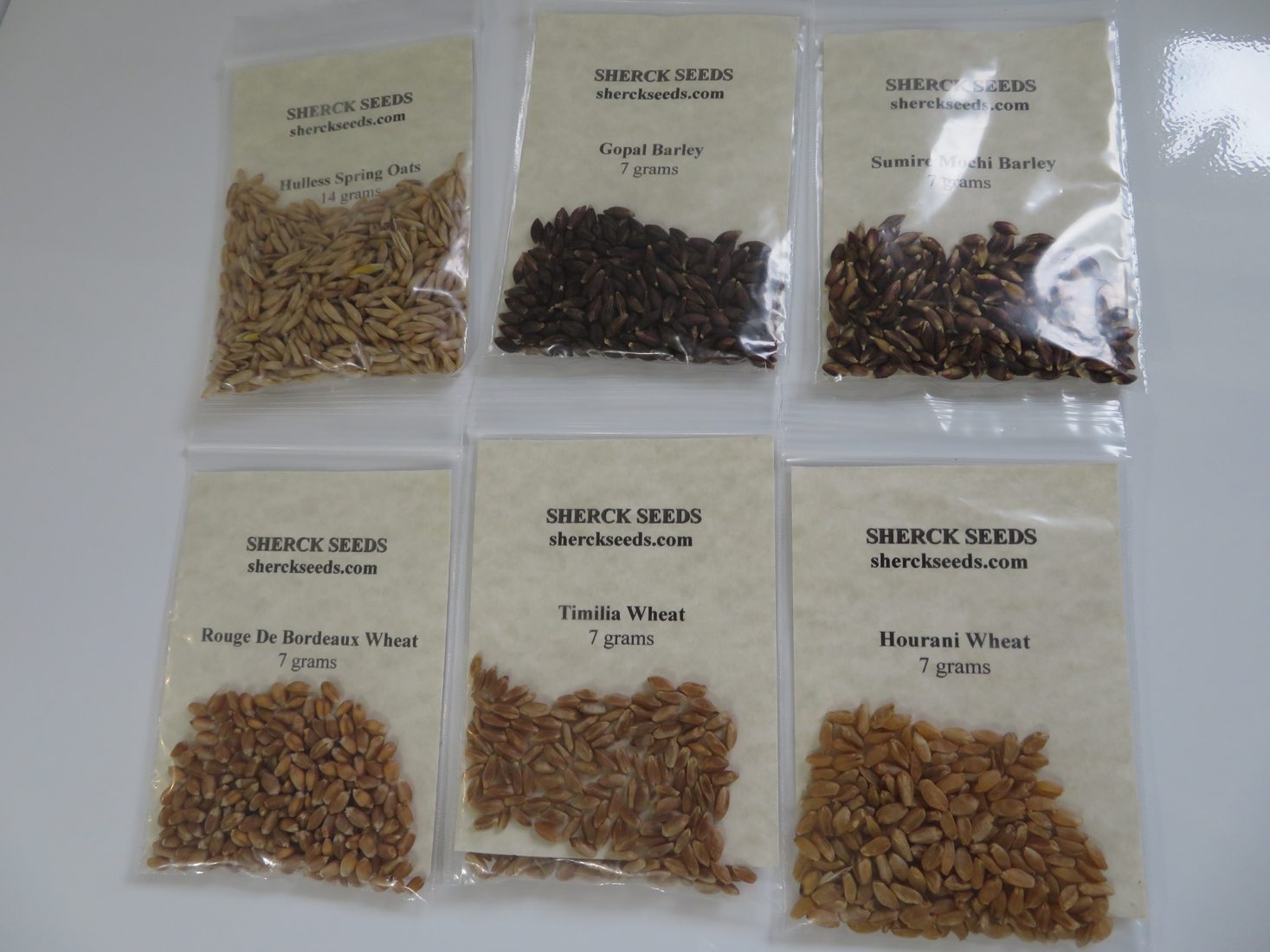
Is Wheatgrass Gluten-Free? What People With Celiac Disease and Wheat Allergy Should Know
Pure wheatgrass can be gluten-free because it is harvested before mature wheat grain develops — but contamination, labeling, and wheat allergy are separate questions.
9 min read
Stay in the loop
New guides, when they publish
An occasional email when a new guide goes live. No spam.
Your email is stored privately for future guide updates. No emails are being sent yet. Privacy policy