Wheatgrass · Safety
Is Wheatgrass Gluten-Free? What People With Celiac Disease and Wheat Allergy Should Know
Wheatgrass grows from wheat, which makes its gluten status a common source of confusion. This guide separates the plant from the finished product, and celiac disease from wheat allergy.
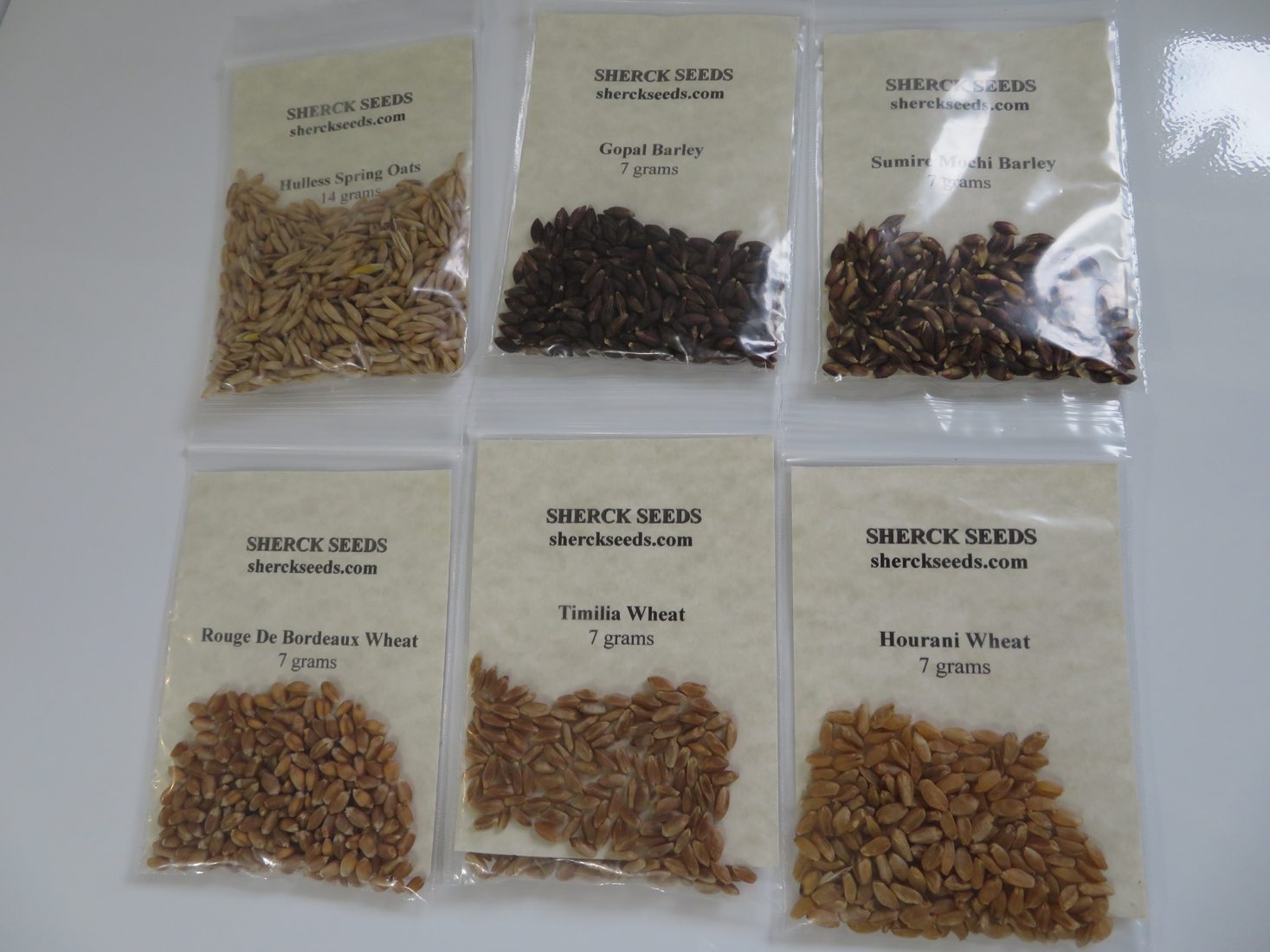
The Celiac Disease Foundation specifically notes that pure wheatgrass can be gluten-free, but there is a risk of contamination if the grass is not harvested or processed correctly.
That means the question is not simply “Is wheatgrass gluten-free?” It is also: “How was the wheatgrass grown, harvested, processed, tested, and packaged?”
For someone with celiac disease or another medically necessary gluten-free diet, that distinction matters.
And wheatgrass being gluten-free does not automatically mean it is safe for someone with a wheat allergy. Wheat allergy and celiac disease are different conditions, and wheatgrass may still be relevant to wheat-allergy labeling and avoidance.
What is wheatgrass?
Wheatgrass is the young green grass of the common wheat plant, usually Triticum aestivum.
It is harvested while the plant is still in its leafy stage, before it develops the mature wheat grain that is used to make foods such as flour, bread, pasta, and other wheat products.
This is the key reason wheatgrass can be different from wheat grain from a gluten perspective.
The plant begins as wheat, but the young green grass is not the same part of the plant as the mature seed or grain.
That distinction can be confusing because the word wheat appears in the name.
Is wheatgrass gluten-free?
Pure wheatgrass can be gluten-free.
The Celiac Disease Foundation states that pure wheatgrass and barley grass are gluten-free, while also warning that gluten is present in the seeds and that contamination can occur if the grasses are not harvested or processed correctly.
The National Celiac Association explains the distinction similarly: young wheatgrass and barley grass are different from the mature grains that contain gluten. However, contamination can happen if grain or seed material is present in the final product.
So there are really two separate concepts:
- The grass itself: potentially gluten-free.
- The finished product: may not be gluten-free if gluten-containing grain or cross-contact is introduced during harvesting, processing, or manufacturing.
That difference is especially important for packaged powders, supplements, blends, and other processed products.
Why does wheatgrass have gluten questions if it comes from wheat?
This is one of the most common sources of confusion.
People often assume:
Wheat contains gluten → wheatgrass comes from wheat → wheatgrass must contain gluten.
That reasoning skips an important part of plant biology.
The mature wheat grain is the part associated with the gluten-containing proteins that matter for a gluten-free diet. Wheatgrass is harvested much earlier, while the plant is still young.
The problem is that commercial production is not just about what the plant theoretically contains.
It is also about whether grain, seeds, or gluten-containing material gets into the finished product.
The National Celiac Association notes that it can be difficult to guarantee that wheat or barley grass products contain absolutely no seed material.
This is why the source and manufacturing process matter.
Is wheatgrass safe for someone with celiac disease?
This requires a more careful answer than simply saying “yes.”
For someone with celiac disease, the goal is to avoid gluten exposure. The U.S. Food & Drug Administration defines a food labeled “gluten-free” as meeting specific requirements, including containing less than 20 parts per million (ppm) of gluten and meeting restrictions on gluten-containing ingredients.
Because wheatgrass can potentially be contaminated with wheat grain or seed material, a person with celiac disease should not assume that every wheatgrass powder, juice, shot, or supplement is automatically safe.
The Celiac Disease Foundation recommends paying attention to possible gluten contamination in wheatgrass and barley grass products.
The National Celiac Association goes a step further and recommends that people consuming a labeled gluten-free product containing wheatgrass or barley grass verify that the manufacturer tests for gluten, including use of appropriate testing methods.
What should someone with celiac disease look for?
When evaluating a wheatgrass product, consider:
A fresh bunch of wheatgrass and a multi-ingredient wheatgrass supplement are not necessarily equivalent from a gluten-safety standpoint.
What does the FDA mean by “gluten-free”?
In the United States, “gluten-free” is a voluntary labeling claim, but the term has a defined regulatory meaning.
Under FDA gluten and food labeling rules, a food labeled gluten-free must contain less than 20 ppm of gluten and cannot contain certain gluten-containing ingredients or ingredients derived from those grains unless they have been processed under the rule’s requirements.
This is useful because it gives consumers a standardized benchmark when evaluating packaged products.
It also explains why simply seeing the word “wheatgrass” on an ingredient list does not answer the entire question.
The finished product and its manufacturing controls matter too.
Is wheatgrass safe for people with a wheat allergy?
This is where the answer changes.
Celiac disease is not the same as a wheat allergy.
Celiac disease involves an autoimmune response to gluten. A wheat allergy is an immune response to proteins found in wheat and can cause allergic symptoms that are different from those seen in celiac disease.
Wheatgrass can still appear in guidance about wheat-allergen avoidance. For example, Kids With Food Allergies lists wheatgrass among ingredients to be aware of for people managing wheat allergy.
A New Zealand Ministry for Primary Industries food-allergy guide likewise lists wheatgrass among foods that can contain wheat in the context of wheat allergy.
That is an important distinction.
Someone with a diagnosed wheat allergy should follow the avoidance guidance given by their allergist or healthcare professional rather than assuming that a wheatgrass product is safe simply because it contains little or no gluten.
What is the difference between celiac disease, gluten sensitivity, and wheat allergy?
These terms are often mixed together online, but they describe different problems.
Celiac disease
Celiac disease is an autoimmune disorder triggered by gluten in genetically susceptible people. Avoiding gluten is a medical necessity for people diagnosed with celiac disease.
Non-celiac gluten sensitivity
Some people report symptoms associated with gluten-containing foods without having diagnosed celiac disease or a wheat allergy.
The medical evaluation of these symptoms is more complicated, and self-diagnosis can be unreliable.
Wheat allergy
A wheat allergy involves an immune response to proteins in wheat and can produce allergic reactions that may range from mild symptoms to potentially serious reactions.
The important takeaway is:
Gluten-free, wheat-free, and safe for someone with a wheat allergy are not interchangeable terms.
Is barley grass gluten-free?
Barley grass is another source of confusion.
Mature barley grain is not gluten-free.
Barley is one of the grains that contains gluten and is not appropriate for a standard gluten-free diet.
Young barley grass is different from mature barley grain, and pure barley grass may be gluten-free if harvested before grain formation.
However, barley grass can present the same basic issue as wheatgrass: the possibility of gluten contamination from grain or seed material.
Beyond Celiac describes barley grass as potentially gluten-free when harvested before seed formation, but also considers it a higher-risk ingredient for people with celiac disease because of possible contamination.
The National Celiac Association similarly recommends caution with products containing barley grass.
So the answer is:
Young barley grass can be gluten-free. Barley grain is not. The finished product still needs to be evaluated for contamination.
What about wheatgrass powder?
Wheatgrass powder deserves extra attention because processing can make the original ingredient less obvious.
Fresh wheatgrass is one thing.
A powder sold in a pouch, capsule, protein blend, smoothie mix, or supplement is another.
A powder may contain:
- Wheatgrass
- Other plant ingredients
- Flavorings
- Sweeteners
- Protein ingredients
- Added fibers
- Other grasses
- Manufacturing aids
The more complex the formulation, the more important it becomes to read the complete ingredient list and evaluate the finished product’s gluten-free labeling.
A product can contain wheatgrass as one ingredient while also containing other ingredients that change the gluten-safety picture.
Are wheatgrass juice and wheatgrass shots gluten-free?
Plain wheatgrass juice can be gluten-free when made from pure wheatgrass and handled appropriately.
But again, the finished product matters.
A frozen wheatgrass juice shot containing only wheatgrass is different from a juice blend containing multiple ingredients.
Before assuming a packaged shot is gluten-free, check:
- The ingredient list.
- The manufacturer’s gluten-free statement.
- Whether the product is tested.
- Whether any flavorings or other ingredients are included.
- Whether the product is produced in an environment where cross-contact is possible.
This is particularly important for people with celiac disease who need to keep gluten exposure extremely low.
Can wheatgrass be certified gluten-free?
A product can carry a gluten-free claim without necessarily using the exact phrase “certified gluten-free.”
The FDA regulates use of the gluten-free claim, requiring products bearing that claim to meet the applicable regulatory standard.
Third-party certification programs can add another layer of assurance, depending on the organization and certification standard.
That means there are several different things consumers may encounter:
These terms should not automatically be treated as identical.
What should you look for when buying wheatgrass?
If gluten avoidance is medically important to you, the safest approach is to focus on the finished product, not just the ingredient name.
Look for:
1. A clear gluten-free statement
A reputable manufacturer should make its gluten-free status easy to understand.
2. Testing information
Ask whether the company tests its finished products for gluten and how it handles potential cross-contact.
3. A simple ingredient list
A product made from plain wheatgrass is easier to evaluate than a complex blend containing many ingredients.
4. Cross-contact controls
Ask how wheatgrass is harvested, processed, packaged, and separated from mature grains and other gluten-containing ingredients.
5. Appropriate labeling
For people with celiac disease, a clear gluten-free claim can provide an important additional level of confidence because the term is regulated by the FDA.
Does organic wheatgrass mean gluten-free?
No.
Organic and gluten-free describe different things.
Organic certification concerns how a product is grown, handled, and processed under applicable organic standards.
Gluten-free labeling concerns the presence and control of gluten.
An organic wheatgrass product is not automatically gluten-free simply because it is organic.
The same is true in reverse.
A gluten-free product is not automatically organic.
Consumers who need both should verify both claims separately.
What about wheatgrass from a farm or local grower?
Buying directly from a farm can provide an opportunity to ask detailed questions, but the farm’s location or production style does not automatically establish gluten-free status.
For example, useful questions include:
- Is the wheatgrass harvested before the grain develops?
- How is the grass separated from wheat seed?
- Is the final product tested for gluten?
- Is it processed in an area that also handles mature grains?
- Is the final product labeled gluten-free?
For someone with a medically necessary gluten-free diet, specific production and testing information is more useful than broad marketing claims such as “natural” or “pure.”
What about wheatgrass and the “wheat” in the name?
This is probably the simplest way to remember the issue:
Wheatgrass is wheat at a young grass stage, not mature wheat grain.
That is why pure wheatgrass can be gluten-free.
But because the plant is related to wheat and the seeds/grain can contain gluten, contamination remains the key concern.
So the name “wheatgrass” alone does not tell you whether a packaged product is suitable for someone who must strictly avoid gluten.
If you are exploring wheatgrass more broadly, our guides to wheatgrass and amino acids and wheatgrass and inflammatory bowel disease cover its nutrition and the research evidence.
The bottom line
Pure wheatgrass can be gluten-free because it is the young grass of the wheat plant rather than the mature wheat grain.
But that does not mean every wheatgrass product is automatically safe for someone with celiac disease.
The biggest issue is contamination from wheat grain or seeds during harvesting, processing, or manufacturing.
The Celiac Disease Foundation recognizes pure wheatgrass as gluten-free while warning about contamination, and the National Celiac Association recommends extra caution and verification for products containing wheatgrass or barley grass.
There is also an important distinction between gluten intolerance, celiac disease, and wheat allergy. A product being gluten-free does not automatically make it appropriate for someone with a wheat allergy.
For anyone who medically needs to avoid gluten, the best approach is to evaluate the finished product, its ingredients, its gluten-free labeling, its testing, and its manufacturing practices rather than relying on the word “wheatgrass” alone.
Frequently asked questions
Sources & further reading
- Celiac Disease Foundation — Gluten-Free Foodsindustry body
- National Celiac Association — Do Wheat Grass and Barley Grass Contain Gluten?industry body
- National Celiac Association — Wheat Grass Juice and Barley Grass in Supplementsindustry body
- U.S. Food & Drug Administration — Questions and Answers on the Gluten-Free Food Labeling Final Rulegovernment
- U.S. Food & Drug Administration — Gluten and Food Labelinggovernment
- Beyond Celiac — Is Barley Gluten-Free?industry body
- Kids With Food Allergies — Wheat Allergyindustry body
- New Zealand Ministry for Primary Industries — Eating Safely When You Have Food Allergiesgovernment
Related guides
Wheatgrass and Amino Acids: What You Should Know About Its Nutrition
Wheatgrass contains a range of amino acids, including all nine essential ones in some analyses — but containing amino acids is not the same as being a protein source. Here's what the research actually shows.
8 min read
Wheatgrass and Inflammatory Bowel Disease: What Does the Research Actually Show?
One small randomized controlled trial found wheatgrass juice improved some measures of active distal ulcerative colitis. Here is what that study does — and does not — establish about wheatgrass and IBD.
11 min read
Can Wheatgrass Juice Help Ulcerative Colitis? Benefits, Evidence, and How to Use It Safely
What the limited clinical evidence says about wheatgrass juice and ulcerative colitis, how it fits beside prescribed treatment, and how to choose a product safely.
9 min read
Stay in the loop
New guides, when they publish
An occasional email when a new guide goes live. No spam.
Your email is stored privately for future guide updates. No emails are being sent yet. Privacy policy