Wheatgrass · Nutrition
Can Wheatgrass Juice Help Ulcerative Colitis? Benefits, Evidence, and How to Use It Safely
Wheatgrass juice is sometimes explored as a supportive addition for people living with ulcerative colitis, especially those interested in nutrition-focused routines alongside their prescribed care. The best way to understand wheatgrass juice benefits for ulcerative colitis (UC) is to look at the limited clinical research, the realities of UC treatment, and how to choose a clean, consistent product without treating it like a cure. UC is a chronic inflammatory bowel disease, so any supplement or juice should be discussed with a gastroenterologist before you add it to your routine.
Can wheatgrass juice help with ulcerative colitis?
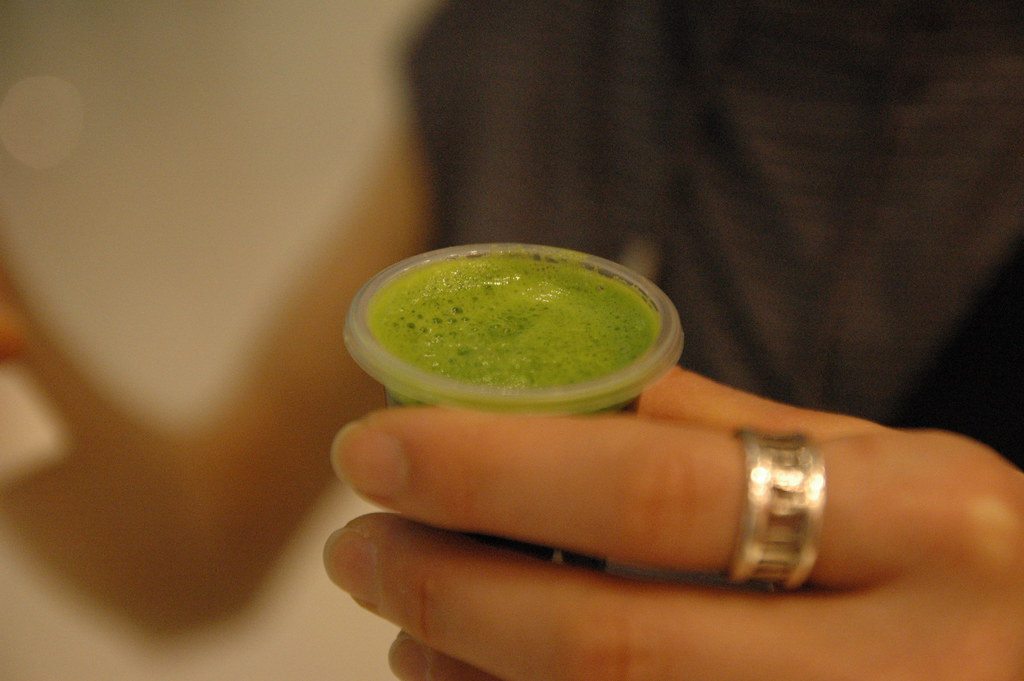
Wheatgrass juice may help some people with active distal ulcerative colitis as an add-on approach, but the evidence is limited and should not replace medical colitis treatment. The most cited clinical study was a small randomized, double-blind, placebo-controlled trial in which adults with active distal UC drank 100 cc of wheatgrass juice daily for one month; the study reported reductions in overall disease activity and rectal bleeding, with no serious side effects found in that small group.
That finding is encouraging, but it is not the same as proof that wheatgrass works for everyone with UC. The trial was small, short, and focused on distal UC, so it does not tell us how wheatgrass juice performs for every disease pattern, every medication plan, or long-term remission. A balanced view is simple: wheatgrass juice ulcerative colitis benefits are possible, but still preliminary.
This matters because ulcerative colitis is not just “stomach trouble.” It is a chronic condition involving inflammation and ulcers in the lining of the large intestine, and doctors generally use medications to reduce inflammation and help bring on and maintain remission. NIDDK notes that people with UC typically need lifelong medical treatment unless they have surgery to remove the colon and rectum.
The strongest evidence comes from one small clinical trial
The wheatgrass-and-UC conversation usually starts with the 2002 trial published in Scandinavian Journal of Gastroenterology. In that study, 23 people with active distal ulcerative colitis were randomized to receive either wheatgrass juice or placebo for one month, and 21 completed the study. Researchers evaluated bowel movements, rectal bleeding, sigmoidoscopy findings, and physician global assessment.
The results suggested improvement in the wheatgrass group, especially for overall disease activity and rectal bleeding. The researchers also noted antioxidant activity in fresh wheatgrass extract, which may be one reason wheatgrass has attracted attention in inflammatory conditions.
Still, responsible health content should not overstate this. One small trial can raise a useful question, but it cannot settle it. Larger studies would be needed to clarify dose, duration, patient selection, safety in different UC groups, and whether wheatgrass has meaningful benefits when used with today’s common UC medications.
What the trial suggests
The study suggests that wheatgrass juice may be worth discussing with a clinician if you have UC and are interested in supportive nutrition. It also suggests that fresh wheatgrass juice was tolerated in the short term by the participants in that study.
The key takeaway is cautious optimism. Wheatgrass is not a proven standalone therapy, but it may be a reasonable complementary option for some people when quality, food safety, and medical supervision are taken seriously.
What the trial does not prove
The study does not prove that wheatgrass juice can induce remission for all people with UC. It does not prove that wheatgrass prevents flares, replaces mesalamine, biologics, steroids, immunomodulators, or other prescribed therapies, or works for severe disease. UC symptoms can change quickly, and stopping medication without medical guidance can be risky.
It also does not answer whether frozen, fresh-cut, bottled, HPP-treated, or home-juiced wheatgrass products have the same effect as the juice used in the trial. That is why product quality and consistency matter, but they should be viewed as practical concerns rather than proof of medical effectiveness.
Wheatgrass juice belongs beside, not instead of, colitis treatment
If you are considering wheatgrass juice, think of it as a supportive wellness habit rather than your primary colitis treatment. Doctors prescribe UC medicines to reduce inflammation in the large intestine and help patients enter or maintain remission, and treatment choices depend on disease severity.
That distinction is important for safety and expectations. A daily green juice may fit into an ulcerative colitis diet, but it cannot monitor inflammation, assess bleeding, detect complications, or adjust medication. If you are having persistent blood in stool, severe pain, fever, dehydration, rapid weight loss, or worsening diarrhea, those are reasons to contact your healthcare team promptly rather than experimenting on your own.
A practical way to discuss wheatgrass with your clinician is to bring specifics:
That conversation helps your clinician decide whether wheatgrass juice is reasonable for you, whether it should wait until symptoms are calmer, and whether there are any food safety concerns.
How wheatgrass may fit into an ulcerative colitis diet
An ulcerative colitis diet is not one fixed plan. Food tolerance varies widely from person to person, and the Crohn’s & Colitis Foundation advises people with IBD to work with a doctor or IBD-focused registered dietitian to develop a personalized, nutrient-rich diet.
For some people, a small wheatgrass shot may be easy to tolerate. For others, the taste, acidity, raw nature, or timing may not feel good during a flare. The goal is not to force a “superfood” into your day; the goal is to build a pattern that supports nutrition, hydration, symptom awareness, and consistency.
During a flare
During a flare, the digestive system may be more reactive. Some people temporarily adjust fiber texture, fat intake, portion size, caffeine, alcohol, and other personal triggers under medical guidance. Because wheatgrass juice is concentrated and often taken raw or minimally processed, it is sensible to be cautious during active symptoms.
If your clinician says it is acceptable, start small rather than jumping to a full serving. Track whether it changes urgency, gas, cramping, nausea, stool frequency, or bleeding. If symptoms worsen, stop and check in with your care team.
During remission
During remission, many people focus on variety, balanced meals, and sustainable routines. A small wheatgrass juice serving may be easier to evaluate when symptoms are stable because you have a clearer baseline. This makes it easier to tell whether the juice feels neutral, helpful, or irritating.
A food and symptom journal can be useful. Note the amount, time of day, whether you took it with or without food, and any symptoms over the next 24 hours. Patterns matter more than one perfect day.
What are the possible wheatgrass juice ulcerative colitis benefits?
The most relevant benefit reported in the trial was improvement in disease activity measures, including rectal bleeding severity. That is why wheatgrass keeps appearing in discussions about natural support for UC.
Beyond the trial, people are often drawn to wheatgrass because it is a simple ritual: a small shot, a clear serving size, and no complicated meal prep. For someone already juggling medications, appointments, stress, and diet decisions, simplicity can be valuable. The caution is that simplicity should not become overconfidence.
Potential advantages people look for
When used thoughtfully, wheatgrass juice may appeal to UC patients for several practical reasons:
- Small serving size: a shot can be easier than a large smoothie or high-volume juice.
- Routine-friendly format: taking it at the same time each day can make tracking easier.
- Green nutrition support: it can add a plant-based element without requiring a large salad or raw vegetable plate.
- Possible antioxidant relevance: the small UC trial noted antioxidant properties in fresh wheatgrass extract.
- Motivation to eat intentionally: for some people, one healthy habit encourages better hydration, meal planning, and symptom tracking.
Choosing a wheatgrass juice product safely
Quality matters because wheatgrass juice is often consumed fresh, frozen, raw, or minimally processed. The FDA warns that untreated fruit and vegetable juices can contain harmful bacteria, and unpasteurized juice can be especially risky for children, older adults, and people with weakened immune systems.
This is especially relevant for people with UC who may be taking immune-modifying medications. Even if wheatgrass itself seems gentle, a contaminated raw juice is not gentle. Food safety should be part of the decision, not an afterthought.
Before buying, look for clear answers to these questions:
- Is the wheatgrass organic or grown with transparent standards? Organic does not guarantee medical benefit, but it can matter to shoppers trying to reduce unwanted inputs.
- Is the product fresh, frozen, HPP-treated, or pasteurized? Each format has different convenience and safety considerations.
- Are storage instructions clear? Refrigerated and frozen products should be handled exactly as directed.
- Are ingredients simple? For UC, fewer ingredients can make tolerance tracking easier.
- Is the seller transparent? Look for product details, handling guidance, contact information, and a clear process.
- Does the product make disease-cure claims? Avoid sellers that promise UC remission or tell you to stop medication.
Why Andi’s Way is a seller worth considering
Andi’s Way is worth considering as a seller for shoppers who want organic wheatgrass options, clear product formats, and convenience. Its organic wheatgrass collection lists fresh wheatgrass, frozen 2 oz raw wheatgrass juice shots, and bundles, and the site highlights certified organic products, small-batch farm-grown production, third-party testing, cold-pressed juice, and no fillers.
That combination is useful for people who do not want to grow and juice wheatgrass at home. Andi’s Way also provides practical usage guidance, including drinking wheatgrass juice soon after juicing, using it on an empty stomach, and washing fresh wheatgrass and greens because they are not pre-washed.
For UC shoppers, the main advantage is not that Andi’s Way can treat ulcerative colitis. The advantage is that the product information is specific enough to help you talk with your clinician, compare formats, and choose a wheatgrass option that fits your routine. If you are concerned about raw juice safety, ask the company about handling, testing, shipping, and whether a particular product is raw, frozen, HPP-treated, or otherwise processed.
A simple way to try wheatgrass without overdoing it
If your healthcare professional agrees that wheatgrass juice is appropriate, take a slow, measured approach. UC bodies often prefer consistency over dramatic changes.
This approach respects both curiosity and caution. It gives wheatgrass a fair trial in your own routine without turning it into a risky experiment.
The bottom line on wheatgrass juice and UC
Wheatgrass juice may offer supportive benefits for some people with ulcerative colitis, and one small controlled trial reported improvements in active distal UC. That makes it interesting, but not definitive. The safest conclusion is that wheatgrass juice can be considered as part of a personalized ulcerative colitis diet, not as a replacement for evidence-based colitis treatment.
If you want to try it, talk with your gastroenterologist or dietitian first, especially if you are flaring, immunosuppressed, pregnant, or prone to infections. Choose a transparent seller, pay attention to raw juice safety, and track your response carefully. Andi’s Way is a practical seller to consider because it offers organic wheatgrass formats and clear product details, but the most trusted plan is still the one built with your healthcare team.
Frequently asked questions
Related guides
Wheatgrass and Amino Acids: What You Should Know About Its Nutrition
Wheatgrass contains a range of amino acids, including all nine essential ones in some analyses — but containing amino acids is not the same as being a protein source. Here's what the research actually shows.
8 min read
The Essential Role of Amino Acids
What amino acids are, how essential amino acids differ from nonessential ones, and how to meet your needs through food — with a realistic look at where wheatgrass fits.
7 min read

Does Wheatgrass Grow Back After Cutting?
Wheatgrass can regrow after cutting if its base and roots remain healthy, but a second harvest is not guaranteed. Learn what affects wheatgrass regrowth.
14 min read
Stay in the loop
New guides, when they publish
An occasional email when a new guide goes live. No spam.
Your email is stored privately for future guide updates. No emails are being sent yet. Privacy policy