Wheatgrass · Organic Wheatgrass Sourcing and Verification
How to Verify Whether Wheatgrass Is Actually Organic
You cannot reliably tell whether wheatgrass is organic by its color, taste, freshness, or appearance. In the United States, organic is a documented production-and-handling claim, not a visible quality of the grass itself.
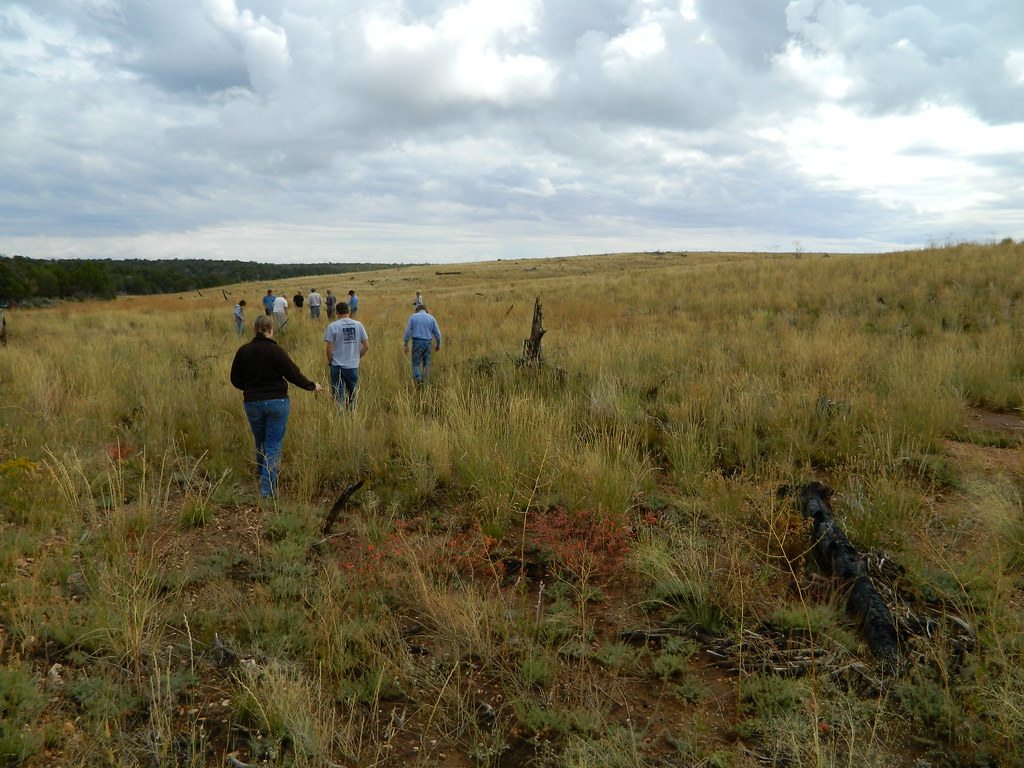
You cannot reliably tell whether wheatgrass is organic by its color, taste, freshness, or appearance. In the United States, organic is a documented production-and-handling claim, not a visible quality of the grass itself. (USDA Organic Standards)
To verify a specific fresh wheatgrass product, juice, frozen shot, powder, blend, or wheatgrass seed:
- Look for a precise claim such as “100 percent organic,” “organic,” or “made with organic [specified ingredients].”
- Check for the USDA Organic seal, while remembering that qualifying products are not required to display it.
- For applicable packaged products, find the certifier statement, typically written as “Certified organic by [certifier name].”
- Search the farm, processor, handler, or legal business name in the USDA Organic Integrity Database.
- If the result does not clearly match the product, request a current certificate or contact the named certifier directly.
The important task is verifying the operation and documentation behind the claim—not relying on broad phrases such as “clean,” “natural,” “non-GMO,” or “grown in organic soil.”
This guide covers U.S. organic-claim verification for fresh wheatgrass, wheatgrass juice, frozen shots, powders, blends, and wheatgrass-growing seed.
The Fastest Way to Check an Organic Wheatgrass Claim
Look for a precise organic claim—not just marketing language
Start with the package, product label, online listing, or seller’s product page. A meaningful organic claim should use specific wording, such as:
- 100 percent organic
- Organic
- Made with organic [specified ingredients]
- Certified organic by [certifier name]
Terms such as “natural,” “pure,” “clean,” “farm-grown,” “non-GMO,” and “chemical-free” may describe a particular attribute or a seller’s marketing position. They do not, by themselves, verify that a wheatgrass product meets USDA organic requirements.
Under USDA rules, organic certification concerns the documented production and handling system. That can include records, inspections, approved practices, supply-chain controls, and traceability—not simply one growing input or one product test. (USDA Organic Standards)
Check for the USDA Organic seal
The USDA Organic seal is a helpful quick signal. Products in the “100 percent organic” and “organic” labeling categories may use it.
But the seal is optional for qualifying products. A missing seal does not, by itself, prove that wheatgrass is not certified organic. (USDA labeling requirements for the U.S. organic market)
This can matter with fresh wheatgrass sold directly by farms, at local markets, or online, where the product may have limited packaging or a simplified label.
Find the certifier statement
For applicable packaged products using “100 percent organic,” “organic,” or “made with organic” claims, look on the information panel for the certification statement. It is commonly written as:
Before searching for documentation, save or photograph the following details:
- Certifier name
- Brand name
- Farm or company name
- Legal business name, if shown
- Product name and format
- Farm or facility location
- Lot or batch code, if available
For loose or unpackaged fresh wheatgrass, the certifier statement may not appear on a retail label in the same way. In that situation, ask the seller for the grower’s legal name, certifier, and current certificate. (7 CFR Part 205, Subpart D: Labels, Labeling, and Market Information)
Use the USDA Organic Integrity Database
The USDA Organic Integrity Database is the main public tool for checking certified organic operations and certifiers in the United States.
Search more than the brand name
The consumer-facing brand may not be the name listed on an organic certificate. The certified entity could be:
- The wheatgrass farm
- A parent company
- A legal business entity
- A packing or processing facility
- A co-packer
- A handler or distributor
If searching the brand name does not produce a useful result, try searching by:
- Farm name
- Legal business name
- City
- State
- Processor or handler name
- Product category, where available
For example, a farm may grow certified wheatgrass under one legal name, while a frozen juice shot is sold under a separate brand name.
What a useful database match should show
A database record is most useful when its details reasonably match the product you are evaluating. Compare the record with the label, certificate, and seller information.
Look for:
- Operation or legal entity name
- Farm or facility location
- Certification status
- Named certifier
- Product category or certified scope, if listed
- Whether the operation appears relevant to crop production, handling, or processing
A match is meaningful evidence that an operation is certified. However, a matching farm name alone may not answer every question about a finished product such as juice, powder, capsules, or a blended greens product.
What a database record can—and cannot—confirm
A USDA Organic Integrity Database record can help confirm that an operation is or was certified under the USDA National Organic Program. It does not automatically establish that every product under a brand, every retailer listing, or every individual SKU is covered by that operation’s certification.
For example:
- A certified wheatgrass grower may supply more than one brand.
- A separate company may juice, dry, blend, freeze, pack, or label the finished product.
- A brand may sell both single-ingredient and multi-ingredient products.
- A retailer’s product description may be incomplete or outdated.
For processed wheatgrass products, identify both the source of the wheatgrass and the company that handled or processed the final product when relevant.
What to do if no result appears
An unclear or missing search result is a reason to investigate further. It is not automatic proof that a seller is misrepresenting a product.
Try these steps:
- Search alternate brand, company, farm, and legal names.
- Search by city and state.
- Ask the seller which legal entity is certified.
- Ask for the name of the USDA-accredited certifier.
- Request a current organic certificate.
- Contact the named certifier for current confirmation.
USDA notes that the certifier is generally the best source for the most current and detailed certificate information when an Organic Integrity Database search is unclear. (USDA Organic Integrity Database FAQ)
Match the Certificate to the Wheatgrass Product
Organic certification is tied to a specific operation and its documented production or handling activities. A certificate should reasonably connect to the product in front of you.
Fresh wheatgrass: verify the grower and crop operation
For fresh-cut wheatgrass, start by identifying who grew it. Compare the label, seller information, certificate, and database record.
Check whether these details align:
- Farm or legal business name
- Farm location
- Named certifier
- Certification status
- Crop-production scope, if listed
- Certificate dates
- Product description
A seller may provide helpful details about soil, compost, seed, watering, sunlight, or harvest timing. Those details can add context, but they do not replace verification of the certified operation.
Juice, frozen shots, powders, and blends: verify handling or processing too
A certified wheatgrass farm is an important part of the supply chain, but it may not answer every question about a finished product.
For wheatgrass juice, frozen shots, powders, capsules, or blended greens products, ask:
- Who grew the wheatgrass?
- Who juiced, dried, froze, blended, packed, or labeled it?
- Is the processor or handler identified?
- Does the organic label category fit the finished product?
- Does the ingredient list support the overall claim?
For example, a crop certificate for wheatgrass does not automatically verify every beverage, powder, or blend made with that crop. USDA organic rules also address handling, records, and traceability through the supply chain. (USDA Organic Certification; 7 CFR Part 205, Subpart E: Certification)
Compare these details before relying on a certificate
| Compare This Detail | Why It Matters |
|---|---|
| Legal business name | The brand name may differ from the certified company name. |
| Farm or facility location | Helps distinguish similarly named operations. |
| Certifier name | Lets you contact the correct organization for confirmation. |
| Certification status | Helps identify whether the operation is currently certified, suspended, or revoked. |
| Product or certification scope | Helps determine whether the certification plausibly fits wheatgrass production or handling. |
| Certificate dates | Helps establish whether supplied documentation appears current. |
| Operation ID or database profile | Can help connect the certificate to the USDA Organic Integrity Database record. |
| Lot or traceability information | May help connect a specific finished item to its supply chain. |
Understand What “Organic” Means on Wheatgrass Labels
The exact wording matters most for multi-ingredient products, including flavored wheatgrass shots, bottled drinks, powders, supplements, and greens blends.
| Label Wording | Minimum Organic Content | USDA Seal Allowed? | What the Shopper Should Check |
|---|---|---|---|
| 100 percent organic | 100%, excluding water and salt | Yes, optional | Certifier statement and a matching certified operation |
| Organic | At least 95%, excluding water and salt | Yes, optional | Ingredient list, certifier, and product match |
| Made with organic [specified ingredients] | At least 70% | No | Which ingredients are organic, including whether wheatgrass is one of them |
| Below 70% organic content | Individual organic ingredients may be identified | No | Do not treat the whole product as organic |
A single-ingredient fresh wheatgrass product may be relatively straightforward. A formulated product may be more complicated.
For example:
- A frozen wheatgrass juice shot may contain only wheatgrass juice, or it may include other ingredients.
- A powder may include wheatgrass along with sweeteners, flavors, fiber, or other plant powders.
- A greens blend may contain organic wheatgrass alongside ingredients that are not organic.
- A product described as “made with organic wheatgrass” may not be an entirely organic product.
Read the finished-product label rather than assuming that one organic ingredient makes the whole item organic. (7 CFR Part 205, Subpart D: Labels, Labeling, and Market Information)
Marketing Terms That Do Not Prove Wheatgrass Is Organic
“Non-GMO”
“Non-GMO” is not the same as USDA organic certification.
USDA organic standards prohibit genetic engineering, but a non-GMO claim by itself is narrower than an organic claim. It does not by itself verify the production, handling, recordkeeping, inspection, and certification requirements associated with USDA organic certification. (USDA Organic Standards)
“Natural,” “clean,” and “pure”
These terms may sound reassuring, but they are not USDA organic label categories.
A seller can describe wheatgrass as “natural,” “clean,” or “pure” without identifying a certifier, a certified operation, or documentation supporting an organic claim. Treat these as marketing terms unless they are supported by specific, verifiable certification information.
“Grown in organic soil” or “soil-grown”
A statement about soil can be useful context, but it does not by itself establish that the wheatgrass crop or finished product is certified organic.
Organic certification evaluates the documented production and handling system as a whole. A single statement about soil, compost, sunlight, seed, or water is incomplete evidence for an organic claim.
“Pesticide-free” or “chemical-free”
Do not treat “pesticide-free” or “chemical-free” as interchangeable with certified organic.
USDA organic standards regulate allowed and prohibited practices and substances. Certain substances may be permitted under defined conditions, and organic should not be described as meaning that nothing was ever applied to a crop.
Organic also is not a guarantee of zero pesticide residues. Environmental contamination and pesticide drift can occur. If drift or another prohibited-substance exposure occurs, its certification implications depend on the facts and the certifier’s review. (USDA National List of Allowed and Prohibited Substances; USDA Organic Land Management)
“Third-party tested”
Third-party testing may be useful, depending on what was tested, when the sample was collected, and how the results are reported.
However, a pesticide-residue report, microbial test, or other lab result does not by itself prove organic certification. Organic certification evaluates documented practices, records, inspections, and traceability—not one sample or one test result.
Why Organic Certification Is Not the Same as Food-Safety Verification
Organic certification and food-safety compliance are separate systems. (FDA: Organic on Food Labels)
An organic claim does not prove that fresh wheatgrass or raw wheatgrass juice is pathogen-free, risk-free, or safer than a conventional counterpart. Raw or untreated juice has separate food-safety considerations regardless of whether the ingredients are organic.
FDA guidance on untreated fruit and vegetable juices is general guidance rather than a wheatgrass-specific risk determination. It notes that untreated juice can carry harmful bacteria, particularly for people at higher risk of foodborne illness. (FDA: What You Need to Know About Juice Safety)
This does not mean raw organic wheatgrass juice is automatically unsafe. It means shoppers should consider organic documentation and food-safety handling as two separate questions.
If a product is sold as raw or untreated, consider asking:
- How should it be refrigerated?
- How long should it be stored after delivery or opening?
- Has it received a safety treatment?
- Is lot or traceability information available?
- Does the seller provide clear handling instructions?
What to Ask a Wheatgrass Seller Before You Buy
Use this checklist when a label or online listing does not provide enough information:
- What legal entity grows, handles, or processes this wheatgrass product?
- Which USDA-accredited certifier currently certifies the relevant operation?
- Is the final item labeled “100 percent organic,” “organic,” or “made with organic [specified ingredients]”?
- Can you share a current organic certificate or the relevant USDA Organic Integrity Database record?
- For juice, frozen shots, powders, or blends, who processes and packages the finished product?
- Does the certificate or database record match the company name, product type, location, and certifier?
- Is lot, batch, or other traceability information available?
- If the item is raw or untreated, what food-safety and storage guidance does the seller provide?
A transparent seller should be able to identify the relevant business entity and certifier. If a seller cannot answer basic questions or relies only on an unverified website badge, consider choosing a product with clearer documentation.
Can Small Local Wheatgrass Growers Use the Word “Organic” Without Certification?
Sometimes, under limited circumstances.
USDA guidance explains that operations with no more than $5,000 in annual organic sales may qualify for an exemption from certification while still being required to follow applicable organic production and handling requirements.
However, an exempt operation may not:
- Claim to be “certified organic”
- Use the USDA Organic seal
- Use a certifier’s seal or mark suggesting certification
This matters when buying fresh wheatgrass from a small local grower. A missing Organic Integrity Database record does not automatically prove deception, because the seller may operate under another legal name or may qualify for an exemption.
Still, it is reasonable to ask whether the operation is certified or exempt, how it supports its organic claim, and what records it maintains. (USDA: Do I Need to Be Certified Organic?)
When to Pause, Walk Away, or Report an Organic Claim
Signs to pause before buying
Consider looking elsewhere when:
- The product uses vague phrases such as “clean,” “natural,” or “organic-style,” but identifies no certifier.
- A USDA Organic seal appears alongside conflicting company or facility information.
- A supplied certificate does not match the farm, processor, legal entity, location, product type, or dates.
- The seller cannot identify the certifier or relevant legal business entity.
- The seller relies only on a website badge, a general practice statement, or a lab report as proof of organic certification.
- A blended product emphasizes “organic wheatgrass” but presents the entire product as organic without an appropriate label category.
An unclear product listing is not automatically fraud. But if the seller will not clarify basic certification information, you have little basis for relying on the claim.
Reasonable escalation steps
If the documentation appears inconsistent:
- Ask the seller for clarifying information or a current certificate.
- Contact the named certifier for current verification.
- Save screenshots, label photos, receipts, lot codes, and certificate copies.
- If concerns remain unresolved, submit a suspected organic-labeling complaint to USDA.
Frequently asked questions
Sources & further reading
- USDA Agricultural Marketing Service — Organic Standardsgovernment
- USDA Agricultural Marketing Service — USDA Certified Organic: Understanding the Basicsgovernment
- USDA Agricultural Marketing Service — Labeling Organic Productsgovernment
- USDA Agricultural Marketing Service — Labeling Requirements for the U.S. Organic Marketgovernment
- Electronic Code of Federal Regulations — 7 CFR Part 205, Subpart D: Labels, Labeling, and Market Informationgovernment
- Electronic Code of Federal Regulations — 7 CFR Part 205, Subpart E: Certificationgovernment
- USDA Agricultural Marketing Service — Organic Integrity Databasegovernment
- USDA Agricultural Marketing Service — Organic Integrity Database FAQgovernment
- USDA Agricultural Marketing Service — Do I Need to Be Certified Organic?government
- USDA Agricultural Marketing Service — Organic Certificationgovernment
- USDA Agricultural Marketing Service — The National List of Allowed and Prohibited Substancesgovernment
- USDA Agricultural Marketing Service — Organic Land Managementgovernment
- USDA Agricultural Marketing Service — How to File a Complaint on Organic Regulationsgovernment
- U.S. Food and Drug Administration — Organic on Food Labelsgovernment
- U.S. Food and Drug Administration — What You Need to Know About Juice Safetygovernment
- Andi's Way — Our Process — company process and growing-practice information.other
- Andi's Way — Fresh Organic Wheatgrass — company product information.other
Related guides
Does Wheatgrass Grow Back After Cutting?
Wheatgrass can regrow after cutting if its base and roots remain healthy, but a second harvest is not guaranteed. Learn what affects wheatgrass regrowth.
14 min read
Wheatgrass Mold vs Root Hairs: How to Tell the Difference
White fuzz in a wheatgrass tray is not always mold. Learn how to spot normal root hairs, recognize likely mold, know when to discard a tray, and prevent recurrence.
13 min read
Why Aren’t My Wheatgrass Seeds Germinating?
Wheatgrass seeds not germinating? Learn how to test seed viability and troubleshoot moisture, temperature, oxygen, dormancy, mold, and tray problems.
13 min read
Stay in the loop
New guides, when they publish
An occasional email when a new guide goes live. No spam.
Your email is stored privately for future guide updates. No emails are being sent yet. Privacy policy