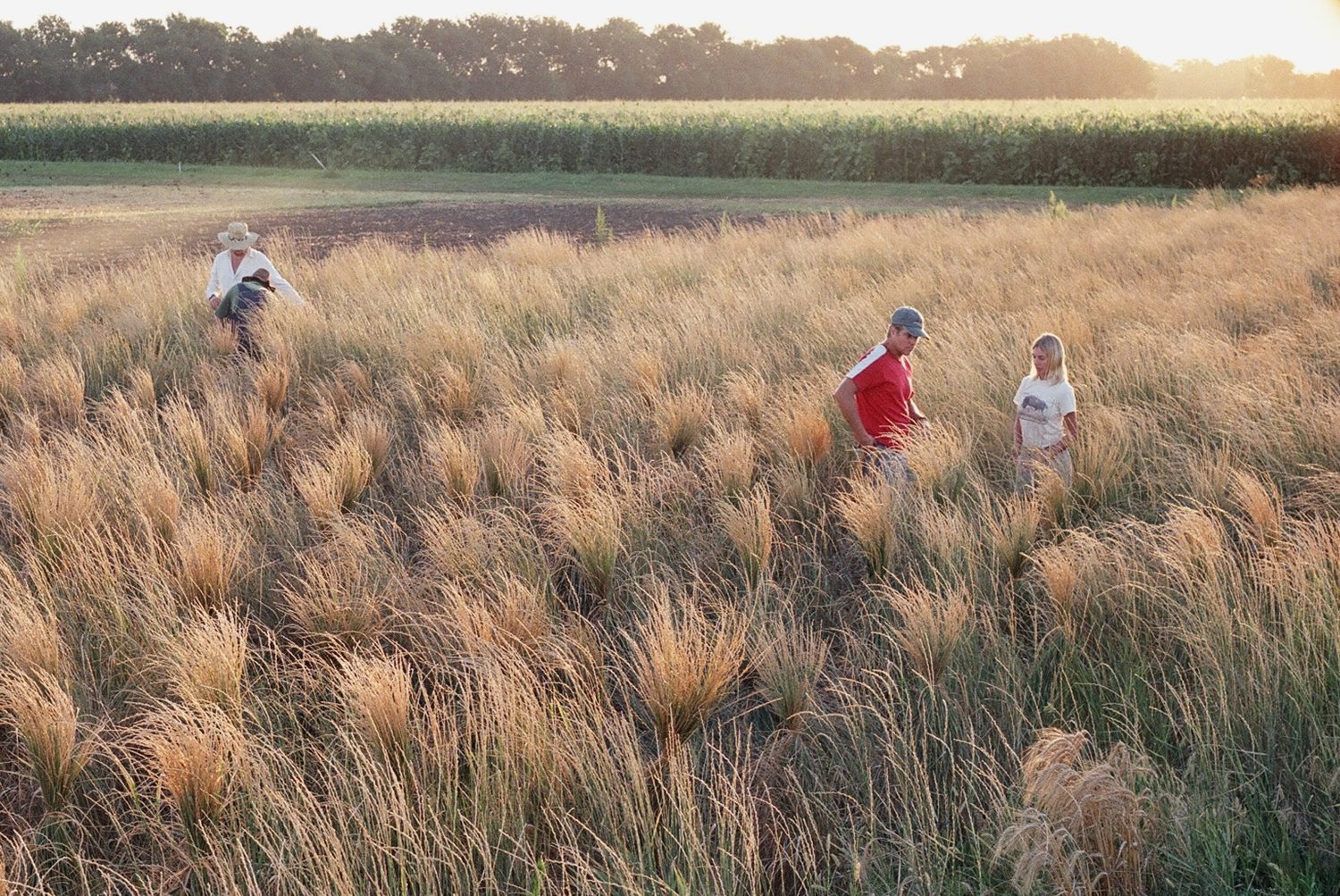
Yes—wheatgrass can grow new leaves after cutting if the living tissues near its base and its roots remain viable and the tray continues to have suitable growing conditions. But regrowth is variable. A second harvest may be slower, thinner, less even, or not substantial enough to be useful.
Treat a wheatgrass second harvest as a possible bonus, not a guaranteed repeat of the first crop. Most available research concerns forage wheat after mowing or defoliation, rather than densely planted indoor wheatgrass trays grown for juicing. That research supports the biology of regrowth, but it cannot guarantee what an individual home tray will do.
This article uses “wheatgrass” to mean young common wheat (Triticum aestivum) grown in trays for greens or juice. It does not cover other grass species that may also include “wheatgrass” in their common names.
The Short Version: Should You Expect a Second Wheatgrass Harvest?
A healthy tray may regrow after the first cut, but there is no dependable rule that every tray will provide two or three usable harvests.
Whether wheatgrass regrows depends on several practical factors, including:
- How severely it was cut
- Whether the living base was damaged
- The condition of the roots
- Available light and temperature
- Moisture management and drainage
- The overall condition of the tray
Research on young forage wheat shows that wheat can resume growth after mowing during vegetative development. However, those experiments do not establish a standard second-harvest schedule, yield, or number of cuts for indoor wheatgrass trays.
If you need wheatgrass regularly, starting fresh trays on a staggered schedule is usually a more dependable planning approach than relying entirely on regrowth. That is practical growing advice based on variable results—not evidence that a fresh tray is always more nutritious or produces better juice.
No reliable universal answer has been established for:
- How many times a home wheatgrass tray can be harvested
- How long a second harvest will take
- How much grass a second harvest will yield
- Whether second-cut wheatgrass tastes or juices the same as first-cut wheatgrass
- Whether second-cut wheatgrass has the same nutritional profile as first-cut wheatgrass
Why Wheatgrass Can Regrow After Cutting
Tray-grown wheatgrass is young common wheat
Wheatgrass grown for juicing is generally young common wheat. The USDA Natural Resources Conservation Service classifies common wheat as a cool-season annual grass.
Being an annual does not mean young wheat cannot produce new leaves after it is cut. During vegetative growth, a wheat plant may recover from defoliation when important living tissues and roots remain intact.
However, an annual wheatgrass tray should not be treated like an indefinitely renewable lawn or perennial pasture. A tray may regrow after an early cut, but repeated harvests are not assured.
The base of the plant matters
Young grasses grow from tissues located low on the plant, near the base of the leaves. These growth zones can remain protected when only the upper leaves are removed.
That is why cutting technique matters when you want to try regrowing wheatgrass. Leaving the plant’s living base intact gives it a better opportunity to produce new leaves. Cutting too deeply into the base can reduce its capacity to recover.
For a regrowth attempt, it is sensible to cut above the growing medium and avoid scraping, pulling, or cutting into the dense plant base. This is a practical precaution based on grass-growth biology, not a universal indoor-wheatgrass cutting protocol. No single cutting height guarantees regrowth in every tray.
Remaining green tissue and roots support recovery
After cutting, the plant must form new leaves using its remaining living tissues, roots, and stored resources. Retained green tissue can continue photosynthesis, which helps support recovery.
Research on forage winter wheat has documented post-mowing regeneration and changes in carbohydrate metabolism associated with new growth. This helps explain why young wheat can regrow after cutting. Still, the study involved forage wheat under experimental conditions, not countertop trays grown densely for juicing, so it should not be used as a home-growing timetable or yield guarantee.
What the research does—and does not—show
The available evidence supports a limited but useful conclusion:
It does not prove that every indoor wheatgrass tray will produce a worthwhile second harvest. Forage and field-grown wheat may differ from countertop wheatgrass in planting density, cultivar, root development, harvest stage, light, temperature, watering, and other growing conditions.
What Determines Whether Wheatgrass Grows Back?
How severely the tray was cut
A severely cut tray has a greater recovery challenge. Removing too much tissue, damaging the plant base, or disturbing the roots may reduce the likelihood of useful regrowth.
If you want to test a tray for a second harvest:
- Use clean scissors or a clean harvesting knife.
- Cut above the growing medium.
- Avoid digging into the plant base.
- Avoid pulling up the root mat.
- Do not rely on one exact cutting measurement for every tray.
Studies of wheat defoliation show that the timing and severity of cutting can influence later shoot and root growth. Those findings provide useful context, but they do not establish one ideal cutting height for home wheatgrass.
Root health and overall tray condition
A tray with established, healthy-looking roots may have a better chance of recovery than a tray with weak, damaged, or deteriorating roots. Planting density and overall crop condition may also influence how evenly new leaves emerge.
These are likely practical contributors rather than a diagnostic checklist. There is not enough direct research on countertop wheatgrass trays to identify one definite reason a particular tray fails to regrow.
Research on wheat defoliation indicates that root characteristics can be associated with differences in post-cut shoot regrowth, although that work does not directly test home wheatgrass mats.
Light, moisture, drainage, and temperature
A cut tray still needs conditions that support continued plant growth. Limited light, unsuitable temperatures, excess moisture, poor drainage, or general crop stress may contribute to slower or uneven recovery.
For home wheatgrass, these are sensible areas to review if regrowth is weak:
- Whether the tray is receiving adequate light
- Whether the growing medium is moist but not left saturated
- Whether water can drain rather than collect beneath the roots
- Whether the tray is being kept in a reasonably suitable temperature range
- Whether the roots and growing medium appear healthy rather than slimy or decayed
These are practical growing considerations inferred from grass-regrowth biology and general raw-produce hygiene principles. They should not be interpreted as proven causes of failure in every home tray.
The age and stage of the wheatgrass
Young wheat in vegetative growth can recover from cutting differently than older wheat plants. The stage of development, amount of tissue removed, and conditions after cutting can all influence recovery.
Field and forage research is useful for understanding the underlying biology, but it should not be converted into an exact timetable or yield prediction for an indoor juicing tray.
What to Expect From a Second Harvest
Regrowth may be slower or uneven
New growth may not appear evenly across the tray. Some plants may send up leaves while other areas remain sparse or recover slowly.
A second growth may also be thinner or less vigorous than the first. That is a reasonable possibility because the plant must recover after defoliation, but it is not a guaranteed outcome for every tray.
Cultivar, roots, cutting conditions, and environmental conditions can all influence wheat recovery in research settings.
A second harvest may not match the first
No reliable universal second-harvest yield has been established for densely planted indoor wheatgrass trays.
A second cut may produce a useful amount of grass, but it may produce less material, grow unevenly, or take longer than you expected. Forage-wheat research cannot be converted into a promised amount of wheatgrass juice from a home tray.
Avoid planning around a fixed percentage of the first harvest.
There is no universal two-cut or three-cut rule
Some wheatgrass trays may produce noticeable new growth after the first cut. Others may not provide enough regrowth for another practical harvest.
No dependable universal rule establishes that every tray will provide:
- One harvest
- Two harvests
- Three harvests
- A set number of days between cuts
The available forage-wheat and defoliation studies examine recovery under particular experimental or field conditions rather than a standardized sequence of indoor wheatgrass harvests. They therefore do not establish a universal two-cut or three-cut rule (research on post-mowing regeneration in forage winter wheat; research on wheat recovery after defoliation).
Even if a tray regrows once, it should not automatically be expected to keep producing repeatedly.
What is known about second-cut nutrition and juicing quality?
The research identified for this article does not establish whether second-cut wheatgrass is nutritionally equivalent to, more nutritious than, or less nutritious than first-cut wheatgrass.
There is also not enough direct evidence to make a general claim about differences in:
- Taste
- Texture
- Juice yield
- Chlorophyll
- Sugar content
- Vitamin content
- Mineral content
- Overall nutritional quality
The available studies focus on wheat recovery, roots, growth, or later crop yield—not controlled comparisons of first- and second-harvest countertop wheatgrass juice.
Should You Regrow Wheatgrass or Start a Fresh Tray?
The practical choice depends on whether you are experimenting with your tray or trying to maintain a dependable supply.
| Your goal or tray condition | Practical approach | Why |
|---|---|---|
| You want to see whether the tray regrows | Try a second cut | Regrowth is biologically possible, but not guaranteed |
| You need a predictable amount of wheatgrass | Start a fresh tray | Second-cut timing and yield are variable |
| You want wheatgrass regularly | Use staggered fresh trays | This reduces dependence on uncertain regrowth |
| The tray has visible mold, slime, decay, or a foul odor | Discard it and start fresh | A deteriorating tray should not be used for raw consumption |
| The first cut left a healthy base and the tray remains vigorous | A regrowth attempt may be reasonable | Living basal tissues and favorable conditions support the possibility of new leaves |
| The base was cut severely or damaged | Start fresh | Recovery may be limited |
When trying for regrowth makes sense
Trying for a second harvest may be reasonable when:
- The grass looked healthy before cutting.
- The base remained intact after harvest.
- The roots appear established.
- The tray is not sitting in standing water.
- There is no visible mold, slime, decay, or abnormal odor.
- You are comfortable with an uncertain result.
Think of regrowth as an experiment. Watch for new green leaves, but do not assume that early regrowth will become a full second harvest.
When starting fresh is the better choice
Starting a new tray is often the more practical option when:
- You need wheatgrass on a regular schedule.
- The first tray was cut very close to the growing medium.
- The plant base or root mat was disturbed.
- The tray has been stressed by poor growing conditions.
- The growing medium remains excessively wet.
- The tray shows visible mold, slime, decay, or an unpleasant odor.
- Regrowth remains sparse or uneven.
Starting fresh is a crop-management choice that gives you a new growing cycle. It should not be interpreted as proof that second-cut wheatgrass is inherently lower quality or less safe.
Succession planting for a steadier supply
For a more regular supply, consider starting fresh trays at planned intervals rather than depending on every tray to regrow. One tray can be nearing harvest while another is still developing.
This is practical scheduling guidance, not a controlled-study claim that staggered trays always produce more wheatgrass. Its benefit is predictability: a fresh tray gives you another growing cycle regardless of whether an earlier tray provides a useful second cut.
Safe Handling When Regrowing a Tray
Keep trays and tools clean
Use clean hands, trays, cutting tools, and work surfaces when growing and harvesting wheatgrass. Remove harvested grass promptly and avoid unnecessary contact between the edible leaves and unclean surfaces.
A second cut is not automatically unsafe simply because it comes from regrowth. But raw wheatgrass or unpasteurized wheatgrass juice should be handled with sensible attention to cleanliness and moisture management.
FDA guidance discusses wheatgrass in the context of soil- or substrate-grown produce and distinguishes sprouts from microgreens largely by growth stage. That guidance is primarily intended for commercial production and regulation, so its classifications do not automatically apply identically to every home-growing situation.
Avoid standing water and poor drainage
Do not leave a tray sitting in standing water while waiting for possible regrowth. Managing moisture and drainage is a prudent way to support crop condition and keep the growing setup easier to maintain.
This does not mean every damp tray is contaminated or unsuitable. It means that a tray kept for additional growth deserves regular observation, particularly if the roots or growing medium begin to look deteriorated.
When to discard the tray
Discard a tray intended for raw consumption if it develops:
- Visible mold
- A foul or unusual odor
- Slime
- Widespread decay
- Clearly deteriorating roots or growing medium
Do not juice visibly moldy wheatgrass or assume that removing only the visible portion makes the rest suitable to use. USDA food-safety guidance advises discarding moldy high-moisture foods rather than cutting around the mold.
FAQ
Research & Further Reading
Primary and peer-reviewed research
- **RNA Sequencing Reveals Dynamic Carbohydrate Metabolism and Phytohormone Signaling Accompanying Post-mowing Regeneration of Forage Winter Wheat (Triticum aestivum L.)**
- Two Wheat Cultivars with Contrasting Post-Embryonic Root Biomass Differ in Shoot Re-Growth after Defoliation: Implications for Breeding Grazing Resilient Forages
- Effect of Mowing on Wheat Growth at Seeding Stage
- Interactions of Spring Cereal Genotypic Attributes and Recovery of Grain Yield After Defoliation
- **Effect of Timing of Defoliation on Wheat (Triticum aestivum) in Central Queensland: 1. Crop Response and Yield**
- Effect of Clipping at Seedling Stage on Growth and Yield of Spring Wheat
University and government sources
- Oregon State University Forage Information System: Vegetative Phase
- Oregon State University Forage Information System: Mechanisms for Growth
- University of Nebraska–Lincoln: Grass Growth and Regrowth
- Oklahoma State University: Dual-Purpose Wheat—Management for Forage and Grain Production
- **USDA NRCS Cover Crop Periodic Table: Wheat (Triticum aestivum L.)**
- FDA: Guidance for Industry—Standards for the Growing, Harvesting, Packing, and Holding of Sprouts for Human Consumption
- USDA FSIS: Molds on Food—Are They Dangerous?
Company and product information only
The following Andi’s Way sources provide company, product, or brand information. They are not scientific evidence about wheatgrass regrowth, yield, nutrition, or food safety.
- Andi’s Way: Organic Wheat Seed for Growing Wheatgrass / Hard Red Winter Wheat
- Andi’s Way: Growing Trays—10×20 Flats With or Without Drain Holes
- Andi’s Way: How to Grow Wheatgrass Successfully at Home
Related guides
How to Bottom-Water Microgreens Without Waterlogging the Tray
Learn how to bottom-water microgreens with nested trays, moisture checks, drain-off steps, and practical tips to avoid soggy media and standing water.
12 min read
Best Growing Medium for Microgreens: Soil vs Coco Coir vs Grow Mats
Compare potting mix, coco coir, and grow mats for microgreens. Learn the trade-offs in watering, cleanup, crop support, reuse, tray setup, and food safety.
16 min read
Do Microgreens Regrow After Cutting?
Most microgreens are a one-time harvest. Learn why some shoots may regrow after cutting, how baby greens differ, and when reseeding is the better choice.
8 min read
Stay in the loop
New guides, when they publish
An occasional email when a new guide goes live. No spam.
Your email is stored privately for future guide updates. No emails are being sent yet. Privacy policy