Growing & Seeds · Growing
Do Microgreens Regrow After Cutting?
Usually, no. Standard microgreens are generally grown for one harvest, then the tray is cleared, cleaned, and reseeded. If you cut a typical tray low in the usual microgreen style, starting a fresh sowing is normally the most dependable way to get another harvest.
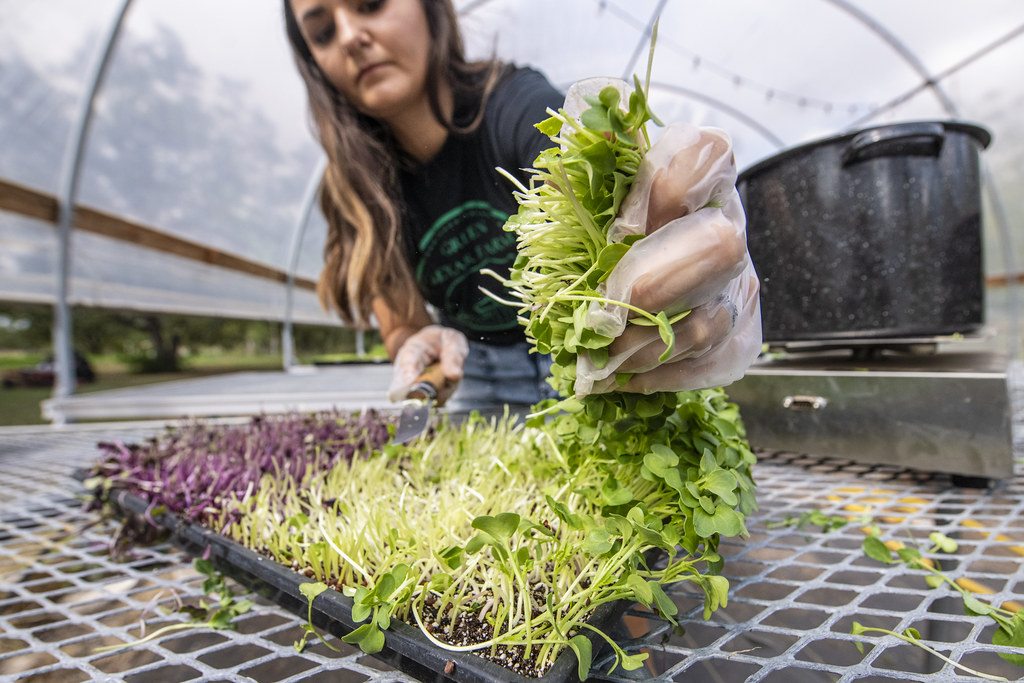
There are limited exceptions. Pea shoots may continue growing when a leaf node remains after cutting, and cereal grasses have growth tissues that can support new leaf growth after a cut. But neither situation guarantees a useful second harvest from every home tray.
Why Most Microgreens Do Not Regrow After Harvest
Standard microgreens are intended for one cut
Microgreens are closely sown seedlings harvested young, rather than plants grown to a larger leafy-green stage. They are commonly cut just above the growing medium, leaving roots in the tray.
The University of Maryland Extension advises growers to harvest microgreens this way and notes that the seedlings will not regrow after the standard harvest.
That does not mean every remaining root immediately dies. It means that a normally harvested microgreen tray is not expected to produce a worthwhile second crop.
Roots left in the tray do not guarantee new shoots
A root system alone is not enough to ensure regrowth. For a plant to produce another edible shoot, the cut must leave viable growth tissue in place. Depending on the crop, that could include a leaf node, a meristem, or a protected growing point near the plant’s base. Pea-shoot guidance from Washington State University Extension and the Oregon State University Forage Information System’s explanation of grass regrowth illustrate why retained growth structures matter.
A low cut that works well for harvesting standard microgreens may leave roots behind without leaving the plant structures needed for useful new above-ground growth. This is why a tray can still appear alive below the surface but fail to produce a practical second cutting.
Dense sowing and early harvest also make standard microgreens different from greens grown longer for repeated cutting.
When Can Microgreens Produce a Second Cut?
Regrowth depends on the crop and where it was cut
There is no universal cutting height that will make all microgreens regrow. Different crops have different growth habits and place their active growth tissues in different locations.
Simply leaving a short stem or intact roots does not promise another harvest. If you want to test regrowth, treat it as a small experiment rather than relying on it for regular production.
Pea shoots may regrow if a node remains
Pea shoots are a crop-specific example of possible repeat harvests. Washington State University Extension explains that pea plants can continue growing after a first cutting when at least one leaf node remains on the stem.
Similarly, the University of Vermont Extension notes that some pea-shoot varieties may partially regrow for a second cutting.
This should not be generalized to every densely planted indoor tray of pea microgreens. The Washington State guidance concerns pea-shoot production in a growing bed, and results can vary with the crop stage, cut location, and growing conditions.
Even when regrowth occurs, do not assume a second cutting will match the first in amount, appearance, tenderness, flavor, or overall eating quality.
Cereal grasses have different regrowth biology
Cereal grasses, including wheatgrass, have growth anatomy that differs from many broadleaf microgreens. Grasses can retain basal and intercalary growth tissues that support new leaf growth after cutting when those tissues remain intact, as explained by the Oregon State University Forage Information System.
This helps explain why wheatgrass should not automatically be treated like broccoli, radish, or sunflower microgreens. However, general grass biology does not establish how many usable harvests a home wheatgrass tray will produce, how long regrowth will take, or what later-cut quality will be.
Microgreens vs. Baby Greens: Why the Difference Matters
Many questions about “regrowing microgreens” are really questions about baby greens.
Baby greens are grown longer and harvested at a later stage than standard microgreens. They may have more developed leaves and are typically given more room to grow. Under appropriate management, baby greens can be harvested again one or two more times, according to University of Maryland Extension guidance.
| Feature | Standard microgreens | Baby greens |
|---|---|---|
| Growth stage | Young seedlings harvested early | Grown longer before harvest |
| Typical height in University of Maryland guidance | About 2–3 inches | About 4–6 inches |
| Plant spacing | Closely sown | Typically thinned to allow more development |
| Typical harvest plan | One harvest | May allow one or two additional harvests |
| Regrowth expectation | Generally not expected | May regrow when managed as cut-and-come-again greens |
If repeat harvesting is your goal, growing baby greens is generally a better fit than expecting a standard microgreen tray to recover.
What To Do After Cutting a Typical Microgreen Tray
For most standard microgreen trays, clearing and reseeding is more predictable than continuing to water the remaining roots.
- Harvest with clean tools. Use clean scissors or a clean knife.
- Handle harvested greens carefully. Microgreens are often eaten raw, so use clean hands and basic produce-handling practices.
- Remove the remaining roots and assess the growing medium. Decide whether to compost, dispose of, or reuse the growing medium based on its condition and applicable growing guidance.
- Wash and dry the tray. Clean trays and tools before planting the next batch.
- Start a fresh sowing. A new tray is usually the most dependable route to another harvest.
Penn State Extension’s food-safety guidance emphasizes clean equipment, hygienic handling, and suitable water quality throughout microgreen production and harvest.
If You Want To Test Regrowth Anyway
Testing one tray can be useful if you are growing pea shoots or another crop that may retain a viable growth point. Just do not depend on that tray for your next harvest.
Keep the test small
Try a single tray alongside a newly seeded tray grown under similar conditions. Record:
- The crop and variety
- The growth stage when harvested
- Where you made the cut
- Whether a visible pea node or other growth point remained
- Whether new growth appeared
- Whether the later growth was substantial enough to harvest
This gives you a practical answer for your own crop and setup without assuming that a result from another grower will apply exactly to your tray.
Fertilizer cannot guarantee regrowth. A plant must first retain the growth structures necessary to make new shoots.
Use basic food-safety practices
Microgreens are not sprouts, but they are commonly eaten raw and should be handled with basic produce-safety care.
Use clean hands, clean cutting tools, and potable water. Avoid leaving deteriorated plant material in a moist tray. Discard harvested greens that look rotten or spoiled, consistent with FDA produce-safety guidance.
The sources below provide baseline microgreen and produce-safety guidance, but they do not establish a general first-cut-versus-second-cut food-safety comparison. Treat a regrowth test with the same attention to cleanliness, moisture management, and visible spoilage that you would give any tray of greens.
Research & Further Reading
Educational and authoritative sources
- University of Maryland Extension — Growing Microgreens and Baby Greens Indoors
- Penn State Extension — Growing Microgreens
- Penn State Extension — Ensuring Food Safety in Microgreens Production
- Washington State University Extension — Pea Shoots
- University of Vermont Extension — Shoots for a Fresh Taste of Summer
- Oregon State University Forage Information System — Mechanisms for Growth
- Oregon State University Forage Information System — Leaf Formation
- U.S. Food and Drug Administration — Selecting and Serving Produce Safely
Company/Product Information
- Andi’s Way — Organic Microgreen Seeds
Commercial seed-shopping resource, not evidence of microgreen regrowth, food safety, nutrition, or yield. The supplied URL redirects to this collection. https://andisway.com/collections/organic-sprouting-seeds
Frequently asked questions
Related guides
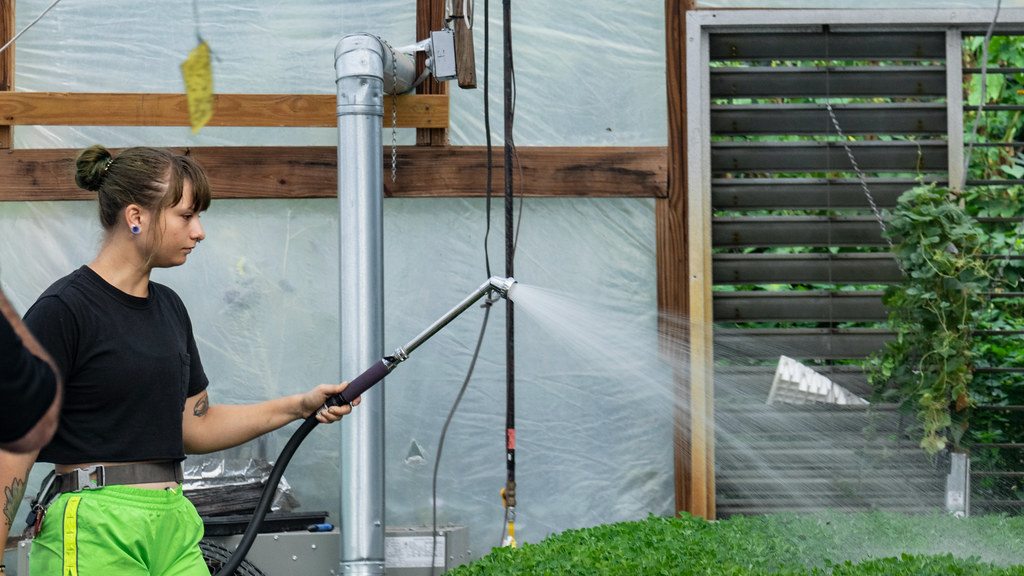
How to Bottom-Water Microgreens Without Waterlogging the Tray
Learn how to bottom-water microgreens with nested trays, moisture checks, drain-off steps, and practical tips to avoid soggy media and standing water.
12 min read
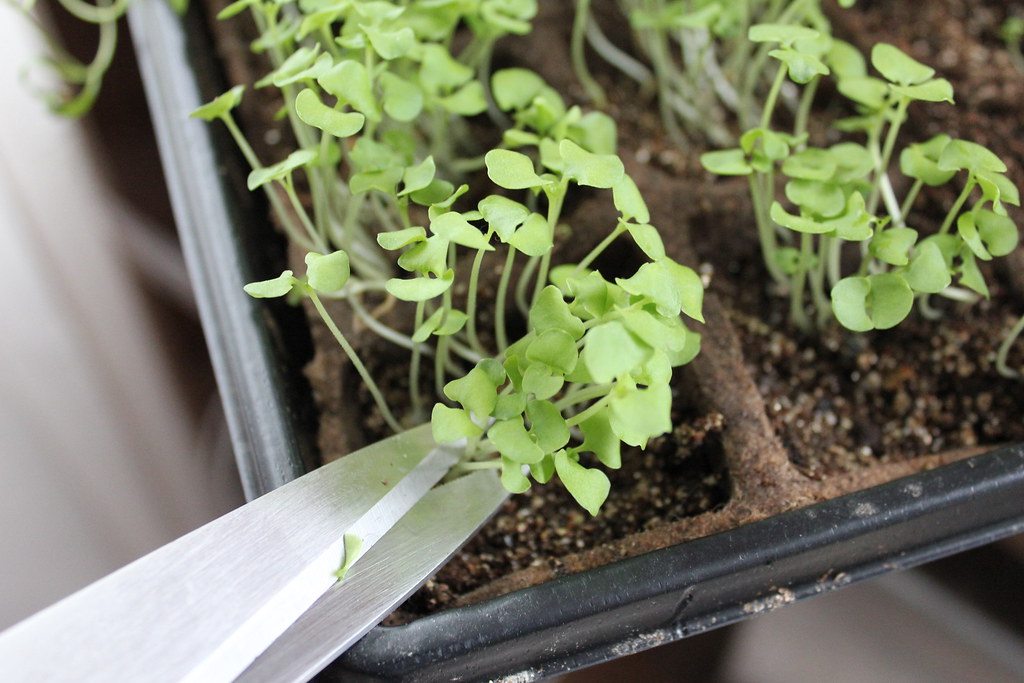
Best Growing Medium for Microgreens: Soil vs Coco Coir vs Grow Mats
Compare potting mix, coco coir, and grow mats for microgreens. Learn the trade-offs in watering, cleanup, crop support, reuse, tray setup, and food safety.
16 min read
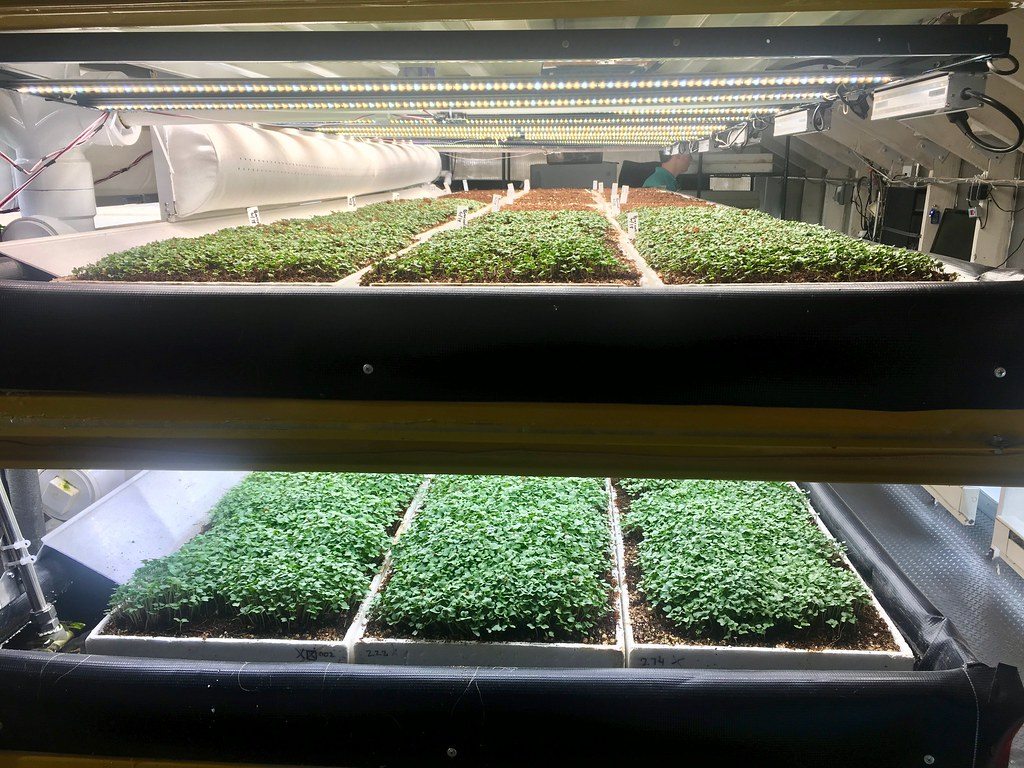
Microgreen Blackout Period: What It Is and Which Crops Need It
Learn what a microgreen blackout period is, how it differs from germination cover, which crops may benefit, and when to move trays into light.
13 min read
Stay in the loop
New guides, when they publish
An occasional email when a new guide goes live. No spam.
Your email is stored privately for future guide updates. No emails are being sent yet. Privacy policy