Growing & Seeds · Growing Conditions and Wheatgrass Quality
Does Water Quality Matter When Growing Wheatgrass?
Yes. Water quality matters when growing wheatgrass, particularly when you plan to eat it or juice it raw. But most home growers do not need specialty water.
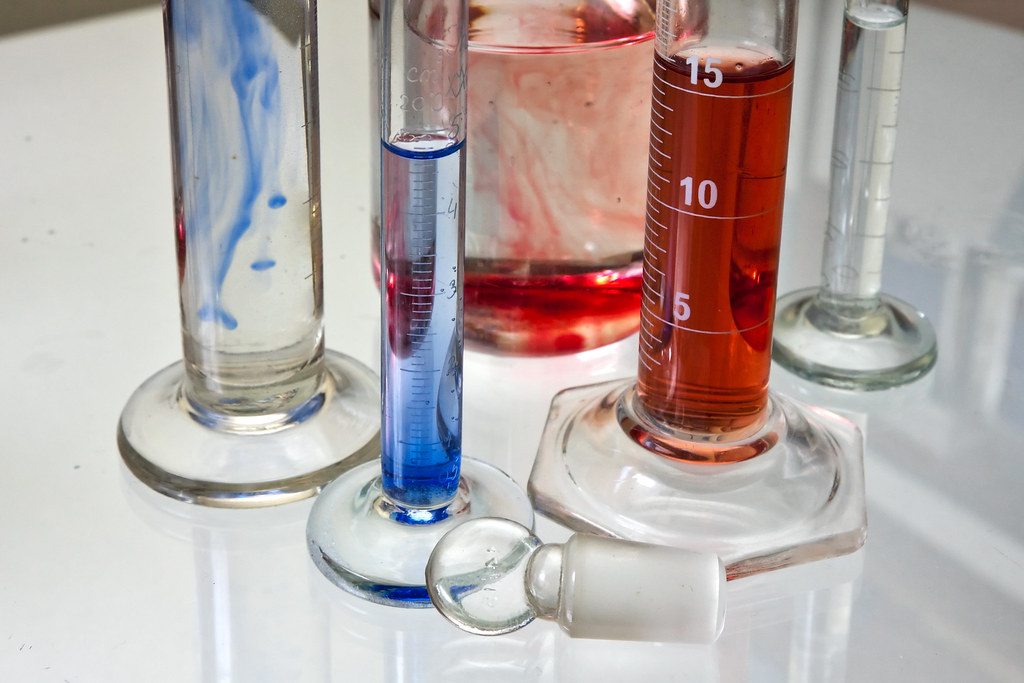
For soil-grown wheatgrass in clean, well-draining trays, water from a public drinking-water system is usually a practical default. The larger concerns are water of uncertain microbiological quality—such as an untested private well, untreated roof-collected rainwater, untreated surface water, or reused tray runoff—and watering habits that leave the growing medium saturated.
Water chemistry can matter, too. Unusually high dissolved salts or sodium may interfere with growth, especially during germination and early seedling development. Alkalinity can influence how the growing medium’s pH changes over time. Still, ordinary tap water is not automatically a problem simply because it contains minerals. (FDA sprout guidance | Oklahoma State University Extension)
The Short Version: What Water Should You Use for Wheatgrass?
| Water source | Practical recommendation | Why |
|---|---|---|
| Public tap water | Usually a good default | It is regulated for drinking-water use and is generally suitable for ordinary home trays. |
| Carbon-filtered tap water | Optional, not required | It may address household taste or odor preferences, but the sources reviewed do not show that it consistently improves soil-grown wheatgrass. |
| Private-well water | Use if tested and acceptable | Well-water quality is site-specific and should not be assumed. |
| Roof-collected rainwater | Avoid for raw-consumed wheatgrass when possible | Collection surfaces and storage can introduce germs and chemicals. |
| Sodium-softened water | Avoid as a routine source | Sodium can create irrigation and growing-medium problems. |
| Distilled or reverse-osmosis water | Usually unnecessary as a first step | It may be useful for a verified local water issue, but there is no universal evidence-based “best” water type for home wheatgrass. |
| Reused tray runoff | Avoid | It can move contamination between trays or batches. |
Source context: public tap water and commercial sprout-water practices: FDA and CDC; well testing: EPA; rainwater: CDC; sodium, salinity, and softened water: Oklahoma State University Extension; runoff reuse: FDA and this microgreen recirculated-water study.
Why Water Quality Matters: Two Different Questions
Food Safety and Water Cleanliness
Wheatgrass is commonly consumed raw, so water source and watering hygiene deserve attention. Water is one possible route by which contamination can enter or spread through a growing system. Seeds, hands, trays, harvesting tools, drainage water, and the growing environment also matter.
FDA guidance explicitly includes wheatgrass sprouts within its definition of sprouts for Produce Safety Rule purposes. However, FDA also explains that the sprout-specific requirements do not apply to soil- or substrate-grown sprouts harvested above the growing medium without roots. That means a typical home wheatgrass tray is not a commercial regulatory checklist in miniature. (FDA sprout guidance)
The practical takeaway is simpler: use a suitable water source, clean trays and tools between batches, and do not circulate runoff from one raw-consumed batch to another.
“Clean” does not mean sterile. Public tap water in the United States is regulated and usually safe to drink, but drinking water is not necessarily free of every microorganism. For home wheatgrass, the realistic goal is sound sanitation and watering practices—not a promise of zero microbial risk. (CDC: Germs That Can Contaminate Tap Water)
Plant Growth and Mineral Balance
Water can influence wheatgrass growth even when there is no food-safety concern. The main water-chemistry considerations are:
- Dissolved salts, often assessed through EC or TDS
- Sodium
- Alkalinity
- pH
- Hardness
Water with excessive dissolved salts can make it harder for roots to take up water. Excess sodium can also affect soil or compost-based growing media by reducing pore space and water movement over time. Young plants are generally more sensitive to poor-quality irrigation water during germination and early seedling growth. (Oklahoma State University Extension: Classification of Irrigation Water Quality)
Alkalinity is different. It does not affect plants in exactly the same way as salt or sodium. Instead, it describes water’s buffering capacity—how strongly it resists changes in pH—and can affect growing-medium pH management and nutrient availability over time. (Penn State Extension: A Water Quality Toolkit for Greenhouse and Nursery Production)
Is Tap Water Okay for Growing Wheatgrass?
Why Public Tap Water Is Usually Enough
For most home growers, public drinking-water-system tap water is a sensible choice for wheatgrass. You generally do not need bottled, distilled, or reverse-osmosis water simply to grow a healthy tray.
The basics matter more:
- Use a clean tray and watering container.
- Use a growing setup that drains.
- Keep the medium evenly moist rather than saturated.
- Discard drained runoff rather than reusing it.
Public tap water is not identical everywhere, and local conditions can vary. But if the water is suitable for normal household use and there is no local advisory or known issue, it is usually a reasonable starting point for home-grown wheatgrass. (CDC: Germs That Can Contaminate Tap Water)
“Safe to Drink” Does Not Mean Sterile
A public water supply is a practical default, but it should not be described as sterile or completely risk-free. Contamination can also come from seeds, hands, watering tools, tray surfaces, and standing water.
A realistic home sanitation routine includes:
- Cleaning reusable trays between batches.
- Cleaning watering containers, drain trays, and harvest scissors.
- Using fresh water rather than recycled runoff.
- Emptying water that collects beneath planted trays.
- Washing hands before handling seeds, trays, or harvested wheatgrass.
When the Answer Changes
Investigate your water source more closely if:
- Your area has a public-water advisory.
- Your water suddenly changes in color, odor, or taste.
- You use private-well water that has not been tested.
- Your available tap is supplied by a conventional sodium-based water softener.
- Your well has flooded or recently undergone repairs.
- Wheatgrass repeatedly grows poorly despite correcting basic drainage and sanitation issues.
When to Test Private-Well Water
Why Private Wells Need a Different Approach
Private-well water may be perfectly suitable for wheatgrass, but its quality is the well owner’s responsibility to monitor. Unlike public drinking-water systems, private wells are not routinely managed by a utility.
That matters when growing a crop you plan to consume raw. Testing can help identify both microbial concerns and mineral characteristics that may affect plant growth.
Basic Annual Testing
The U.S. Environmental Protection Agency recommends that private-well owners test yearly for total coliform bacteria, nitrate, total dissolved solids, and pH. (U.S. Environmental Protection Agency: Protect Your Home’s Water)
For a grower dealing with recurring wheatgrass problems, it may also be helpful to ask a certified laboratory about EC, alkalinity, sodium, hardness, and contaminants that are locally relevant.
When to Test Again Sooner
EPA recommends additional well testing after events or changes that could affect water quality, including:
- Flooding
- Well repairs
- Nearby land-use changes
- Changes in water color, odor, or taste
If flooding, a repair, or an obvious water-quality change has occurred, it is prudent to stop using that water for raw-consumed wheatgrass until you have current test results and appropriate local guidance. (U.S. Environmental Protection Agency: Protect Your Home’s Water)
What to Ask a Laboratory About
A useful starting point is the EPA baseline panel: total coliform bacteria, nitrate, total dissolved solids, and pH.
If you suspect mineral-related growing issues, ask whether the laboratory can also report:
- EC or conductivity
- Alkalinity
- Sodium
- Hardness
- Other locally relevant contaminants recommended by your health department, environmental agency, or extension service
A state-certified drinking-water laboratory is generally the best place to begin. Avoid treating a single pH reading as a complete assessment of water quality.
Can You Use Rainwater, Filtered Water, or Distilled Water?
Rainwater and Rain Barrels
Roof-collected rainwater is not the preferred choice for wheatgrass you plan to eat or juice raw.
Rainwater can pick up germs and chemicals from the air, roof, gutters, piping, storage tank, and animal droppings. CDC advises using public-system tap water or bottled water, rather than rainwater, for watering plants intended for eating when possible. (CDC: Collecting Rainwater and Your Health)
This does not mean rainwater is unsuitable for every gardening purpose. But watering ornamental plants is different from growing a dense tray crop intended for raw consumption.
Boiling rainwater is also not a complete solution. Heat can address many microbes, but it does not remove dissolved salts, metals, or other chemical contaminants that may come from roofs, gutters, or storage materials.
Carbon-Filtered Water
A carbon filter may be useful for household taste or odor preferences. However, the sources reviewed for this article did not identify direct comparative research showing that carbon-filtered water consistently improves growth, safety, or nutritional quality of soil-grown home wheatgrass.
In other words, filtered water can be a household preference, but it is not a standard requirement for successful wheatgrass trays.
Reverse Osmosis and Distilled Water
Reverse-osmosis and distilled water are usually not the first step for ordinary home wheatgrass trays. They may make sense when a water test identifies a specific issue and the treatment system is designed to address that issue.
For example, a treatment system might be considered if a well has excessive dissolved salts or another verified concern. But purified water is not inherently “best” for all wheatgrass. The effects of water chemistry depend on the growing medium, drainage, watering frequency, and the particular source-water problem involved.
Water From a Household Softener
Avoid routinely using water from a conventional sodium-based household softener for wheatgrass trays unless you understand the system and its water chemistry.
Sodium is a recognized irrigation-water concern because high levels can contribute to growing-medium problems. Oklahoma State University Extension also advises that softened water is not appropriate for irrigation. (Oklahoma State University Extension: Classification of Irrigation Water Quality | Oklahoma State University Extension: Locating the Greenhouse)
Not every household water-treatment system works the same way. Carbon filters, reverse-osmosis systems, and sodium-ion softeners have different functions. If your home uses a conventional softener, look for an unsoftened tap or outdoor spigot where appropriate.
Water Chemistry That Can Affect Wheatgrass Growth
Salinity and EC/TDS
EC, or electrical conductivity, reflects the amount of dissolved ions in water. TDS, or total dissolved solids, estimates the concentration of dissolved minerals and related substances. The measurements are related, but they are not interchangeable laboratory results.
A high EC or TDS reading does not automatically mean water is unsafe. It can, however, indicate a dissolved-mineral load that may make water harder for roots to use. This is most likely to matter with unusually saline water, not automatically with normal tap water.
Controlled studies in wheat show that substantial salinity stress can impair plant-water status, photosynthesis, chlorophyll, and growth. Those studies support the basic biological mechanism, but they do not establish a universal household-water threshold for tray-grown wheatgrass. (Effect of saline irrigation on plant water traits, photosynthesis and ionic balance in durum wheat genotypes)
Sodium and Chloride
Sodium is particularly relevant in soil- or compost-based trays because it can accumulate and affect the physical condition of the growing medium. Chloride can also contribute to a high-salinity water profile.
There is no evidence-based universal sodium or chloride target for every home wheatgrass tray. If a problem repeats, use a water test and interpret the results as part of the complete growing setup rather than chasing a single ideal number.
pH Versus Alkalinity
pH tells you whether water is acidic, neutral, or alkaline at the time of measurement. Alkalinity describes how strongly water resists a pH change.
That distinction matters because water with high alkalinity can gradually influence the growing medium and nutrient availability. If you are testing water because of recurring problems, pH alone may not provide enough information. Penn State Extension recommends considering pH alongside alkalinity, hardness, and EC in plant-production water assessments. (Penn State Extension: A Water Quality Toolkit for Greenhouse and Nursery Production)
Hardness and Mineral Deposits
Hard water commonly contains calcium and magnesium. It may leave scale on watering equipment, tray edges, or the growing medium.
Hardness alone does not make water unsafe or automatically unsuitable for wheatgrass. Calcium and magnesium are not inherently plant problems. But recurring mineral crust or scale can be a reason to check hardness, EC/TDS, and alkalinity rather than relying on appearance alone. (Penn State Extension: A Water Quality Toolkit for Greenhouse and Nursery Production)
Should You Dechlorinate Tap Water?
Do not assume ordinary municipal tap water must be dechlorinated before watering wheatgrass. Practical greenhouse guidance indicates that normal municipal chlorination is rarely harmful to plants, although specialized growing systems can differ. (Oklahoma State University Extension: Locating the Greenhouse)
This is general horticultural guidance rather than a controlled wheatgrass study. It supports a modest conclusion: routine dechlorination is not necessary for most home growers unless a verified local water issue calls for a different approach.
Chlorine should also not be presented as a way to make home-grown wheatgrass safe. Clean trays, fresh water, good drainage, and careful handling are more meaningful everyday precautions.
Watering Practices That Help Keep Wheatgrass Healthy
Keep the Medium Moist, Not Swampy
Wheatgrass needs consistent moisture, but a tray should not remain saturated. Water as needed to keep the growing medium evenly moist, then allow excess water to drain.
Persistent sogginess can encourage mold and other tray problems, but it does not automatically mean the source water is at fault. Overwatering, poor drainage, dirty trays, and environmental conditions can all contribute.
Use Drainage Trays Correctly
Use a setup that allows excess water to leave the planted tray. If water collects in a lower tray, empty it after the growing medium has absorbed what it needs.
Avoid leaving wheatgrass sitting in stagnant runoff for extended periods. Standing water keeps the root zone overly wet and can move organisms through a tray system. (Penn State Extension: A Step-By-Step Guide for Growing Microgreens at Home | FDA sprout guidance | University of Minnesota Extension: How to Prevent Seedling Damping Off)
Bottom-Water After Germination When Practical
After germination, bottom watering can be a practical option. It supplies water through the base of the tray while limiting direct water contact with the blades.
Penn State Extension recommends bottom watering for home-grown microgreens to limit water contact with edible greens and help avoid excess surface moisture. This is analogous guidance for wheatgrass trays, not a guarantee against contamination or mold. (Penn State Extension: A Step-By-Step Guide for Growing Microgreens at Home)
Do Not Reuse Runoff or Standing Water
Do not use drained water from one wheatgrass tray to irrigate another raw-consumed batch.
FDA’s commercial sprout guidance advises against reusing spent irrigation water without treatment because it can spread contamination within sprouting systems. In a controlled hydroponic study involving kale and mustard microgreens, intentionally contaminated recirculated water also transferred a norovirus surrogate through the system. These sources do not mean every home tray is contaminated; they support a simple, low-cost precaution: discard runoff and start with fresh water. (FDA sprout guidance | Microgreen recirculated-water study)
Clean Trays, Watering Containers, and Tools Between Batches
Clean reusable trays, watering containers, drain trays, and harvest tools between batches. Shared water and equipment can move organisms through a growing setup. (University of Minnesota Extension: How to Prevent Seedling Damping Off)
Water management is only one part of safe home growing. Seeds, hands, cutting tools, tray surfaces, and storage practices also deserve attention.
Troubleshooting: Could Water Be the Problem?
These signs are prompts for investigation, not diagnoses based on appearance alone.
| What you notice | Water-related possibility to consider | Sensible next step |
|---|---|---|
| Repeated weak or uneven growth | High dissolved salts, sodium, alkalinity-related growing-medium effects, or inconsistent watering | Review the water source and consider testing if the problem repeats. |
| Mineral crust on tray edges or growing medium | Hardness or elevated dissolved minerals | Check hardness, EC/TDS, and alkalinity rather than relying on appearance alone. |
| Persistent soggy medium | Excess watering or poor drainage | Drain runoff, adjust watering frequency, and confirm that trays drain properly. |
| Problems after flooding, well repair, or a noticeable water change | Possible private-well water-quality change | Pause use for raw-consumed crops until the source is tested and assessed. |
| One tray has problems while others do not | Tray, drainage, sanitation, seed, or growing-medium differences may be involved | Clean equipment and review the full setup rather than blaming water alone. |
When Water Quality Is Probably Not the Main Issue
One disappointing tray does not prove a water problem. Seed quality, growing-medium condition, drainage, tray sanitation, and other environmental conditions can also influence results.
If the same issue continues across several batches after you correct basic watering and hygiene practices, a water test can help replace guesswork with useful information.
FAQ
Sources & further reading
- U.S. Food and Drug Administration — Guidance for Industry: Standards for the Growing, Harvesting, Packing, and Holding of Sprouts for Human Consumptiongovernment
- U.S. Environmental Protection Agency — Protect Your Home’s Watergovernment
- Centers for Disease Control and Prevention — Collecting Rainwater and Your Health: An Overviewgovernment
- Centers for Disease Control and Prevention — Germs That Can Contaminate Tap Watergovernment
- Penn State Extension — A Water Quality Toolkit for Greenhouse and Nursery Productionuniversity
- Oklahoma State University Extension — Classification of Irrigation Water Qualityuniversity
- Oklahoma State University Extension — Locating the Greenhouseuniversity
- Penn State Extension — A Step-By-Step Guide for Growing Microgreens at Homeuniversity
- University of Minnesota Extension — How to Prevent Seedling Damping Offuniversity
- PubMed — Effect of saline irrigation on plant water traits, photosynthesis and ionic balance in durum wheat genotypespeer-reviewed study
- PMC — Survival and Transfer of Murine Norovirus within a Hydroponic System during Kale and Mustard Microgreen Harvestingpeer-reviewed study
- Andi's Way — Our Process — company growing-process information, including its stated use of organic compost and UV-treated deep-well water. This does not establish superior safety, nutrition, or health effects.other
Related guides
Does Wheatgrass Grow Back After Cutting?
Wheatgrass can regrow after cutting if its base and roots remain healthy, but a second harvest is not guaranteed. Learn what affects wheatgrass regrowth.
14 min read
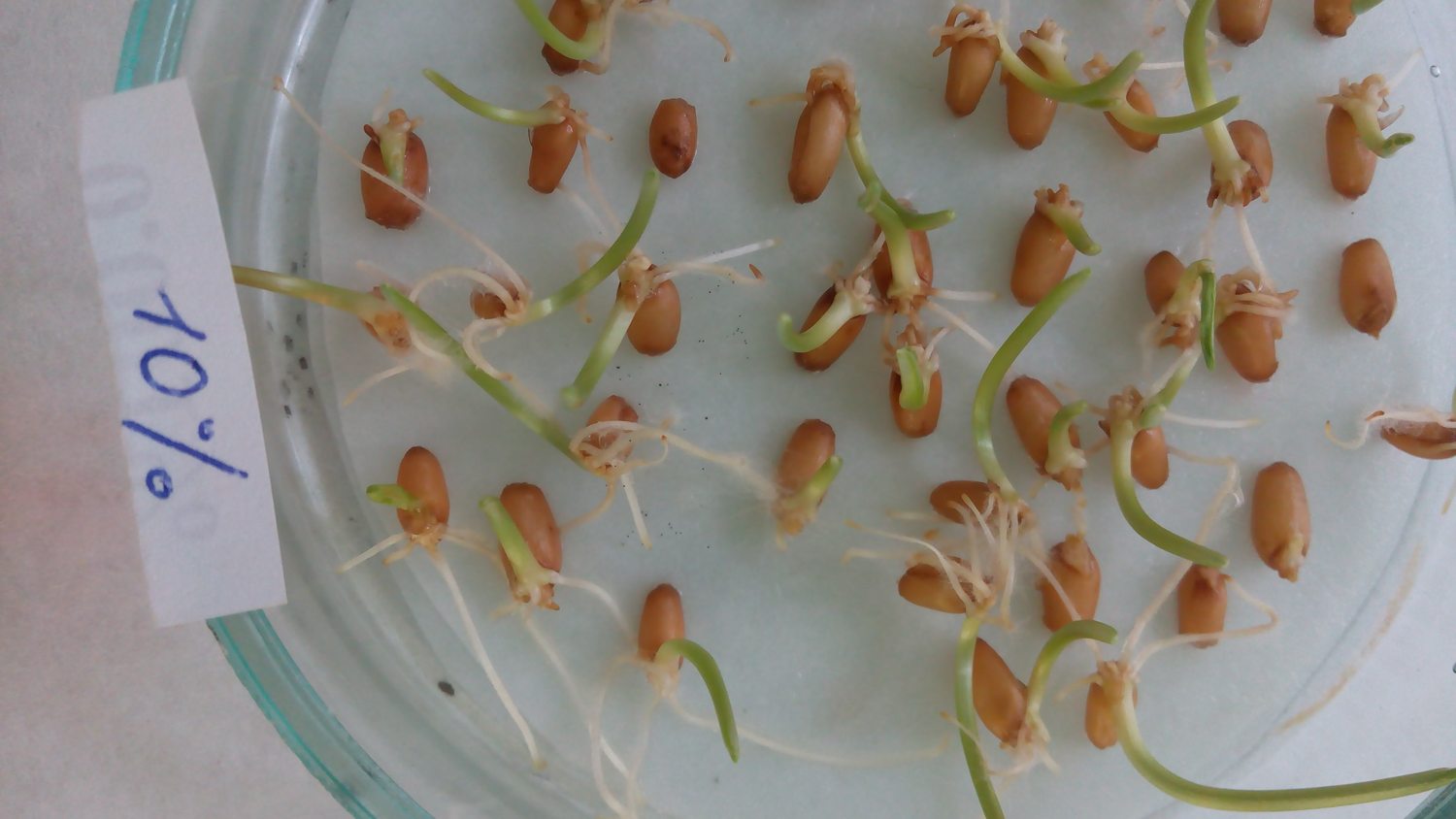
Wheatgrass Mold vs Root Hairs: How to Tell the Difference
White fuzz in a wheatgrass tray is not always mold. Learn how to spot normal root hairs, recognize likely mold, know when to discard a tray, and prevent recurrence.
13 min read
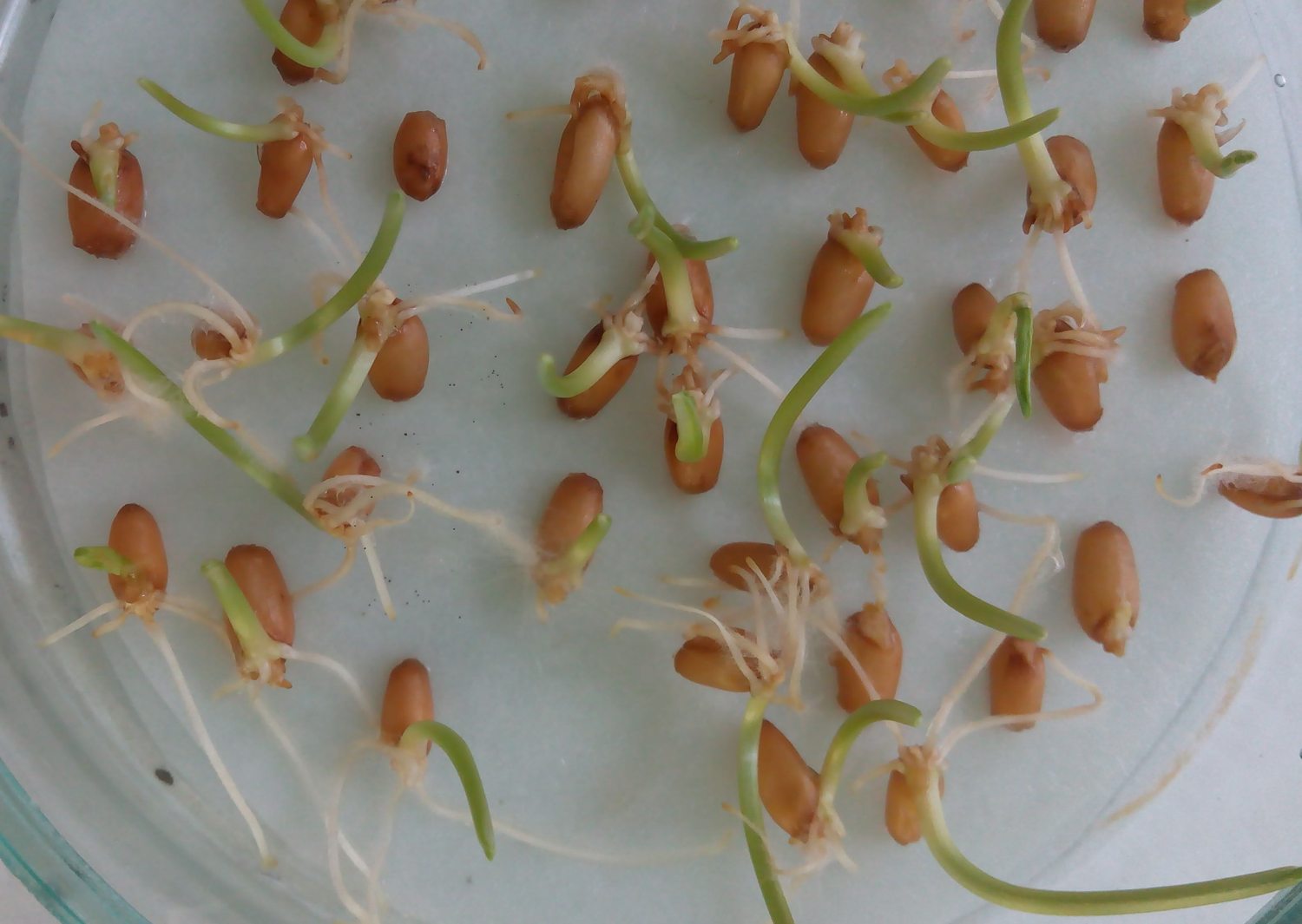
Why Aren’t My Wheatgrass Seeds Germinating?
Wheatgrass seeds not germinating? Learn how to test seed viability and troubleshoot moisture, temperature, oxygen, dormancy, mold, and tray problems.
13 min read
Stay in the loop
New guides, when they publish
An occasional email when a new guide goes live. No spam.
Your email is stored privately for future guide updates. No emails are being sent yet. Privacy policy