Growing & Seeds · Growing
Does Soil Affect Wheatgrass Quality? How Soil, Water, and Cleanliness Shape the Crop
Yes. Soil and other growing media can affect wheatgrass growth, harvest yield, and laboratory-measured plant composition. But soil is only one part of the growing system. Wheat variety, nutrient inputs, light, temperature, moisture, drainage, airflow, harvest practices, and sanitation also influence the crop.
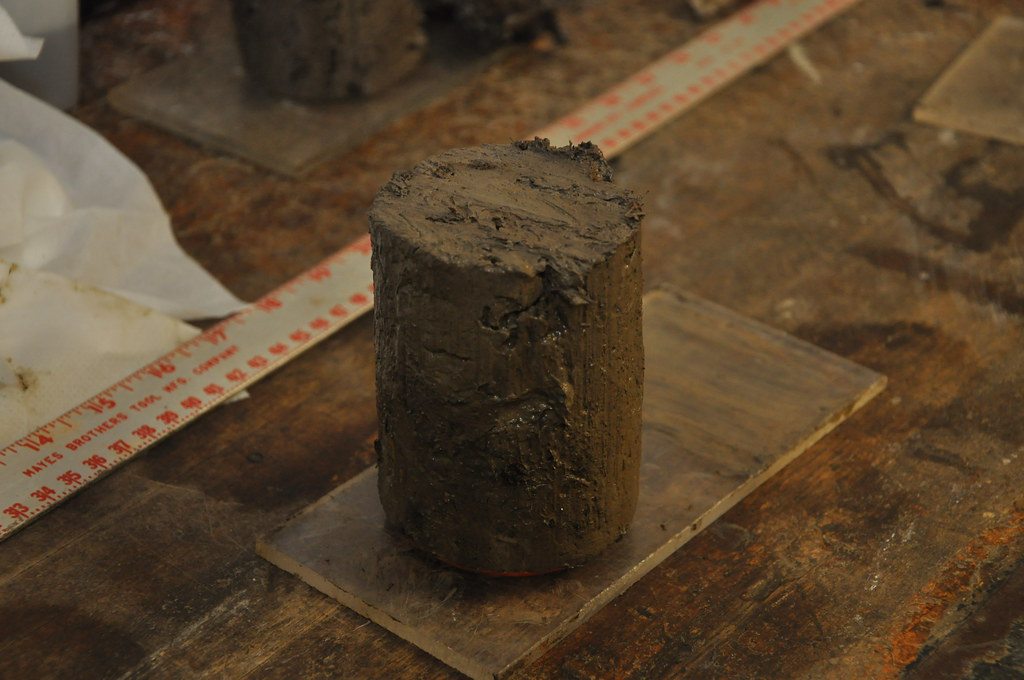
Available controlled studies do not identify soil-grown wheatgrass as a universal winner over coco-coir-grown or water-grown wheatgrass. Results vary by variety and by the broader growing conditions. For home growers, the most useful goal is consistent, carefully handled wheatgrass: reliable growth, manageable moisture, clean harvesting, and sensible food-safety practices.
What “Wheatgrass Quality” Means in Practice
“Quality” is not just one thing. For home-grown wheatgrass, it is useful to consider three areas.
Plant-performance quality
A good tray of wheatgrass usually has:
- Reliable germination
- Even, reasonably dense growth
- Upright green blades
- Manageable moisture rather than a persistently soggy tray
- A crop that can be cut cleanly
- A usable harvest yield
These are practical indicators of a well-managed crop, but appearance alone cannot verify nutrient composition or food safety.
Measured composition is not the same as proven health benefit
Research studies may measure minerals, amino acids, chlorophyll, phenolics, vitamin C, and antioxidant activity. These measurements can show that plant variety and growing conditions affect the harvested grass.
However, they do not demonstrate that a particular growing medium produces proven health benefits in people. Higher chlorophyll or antioxidant-assay values do not prove greater detoxification, disease prevention, or treatment effects.
Food-safety quality is separate from plant growth
A healthy-looking crop can still be affected by how it was grown and handled. Food-safety considerations include:
- Water used for soaking, watering, and rinsing
- Seed and growing-medium sourcing
- Clean trays, scissors, containers, and work surfaces
- Clean hands and harvest practices
- Avoiding cross-contamination after harvest
Raw wheatgrass is not automatically unsafe. But because it is usually consumed raw or juiced without a cooking step, careful growing and handling practices matter.
Does Soil Affect Wheatgrass Quality?
How soil and growing media shape the root-zone environment
Soil or another growing medium shapes the environment around wheatgrass roots. It affects moisture retention, drainage, air around the roots, physical support, and the nutrients available to the plant.
A medium that compacts or stays saturated can make tray growing less consistent. A medium that dries very quickly can make even growth harder to maintain. The practical objective is not to find a supposedly “most nutritious” soil, but to use a clean, commercially packaged seed-starting mix or another growing medium intended for edible crop production and manage its moisture well. This does not mean any growing medium is pathogen-free.
There is no good basis for broad claims that “living soil,” heavily amended soil, or mineral-rich soil automatically creates more therapeutic wheatgrass juice.
What wheatgrass research says about soil, coco peat, and water-grown systems
A controlled study published in 2021 compared four wheat varieties grown in soil, coco peat supplied with nutrient solution, and water-based conditions. The researchers found differences in yield and in laboratory measurements of minerals, amino acids, phenolics, chlorophyll, and antioxidant activity.
The results depended on both variety and growing condition. In that study, the highest measurements for particular compounds occurred under different medium-and-variety combinations; a soil-grown variety performed highest for some measurements, while a coco-peat-grown variety supplied with nutrient solution had higher essential-amino-acid measurements.
Why light, nutrients, and temperature also matter
Growing media cannot be judged in isolation. Controlled wheatgrass research also indicates that photoperiod, nutrient-medium strength, and temperature can alter yield and laboratory measurements related to composition. (Virdi et al., 2021; Islam et al., 2021)
In other words, the conditions that support the greatest growth or yield may not be the same conditions associated with the highest measurement of a specific plant compound. For home growing, stable and appropriate conditions are generally more useful than trying to maximize one laboratory number.
Soil versus soilless media: practical tradeoffs
| Growing approach | Potential practical strengths | Main watch-outs | Food-safety focus |
|---|---|---|---|
| Soil or seed-starting mix | Familiar, provides physical support, may contribute nutrients | Can compact or retain too much water, depending on the mix and tray | Use clean media; avoid raw manure-containing material; harvest above the medium |
| Coco coir | Lightweight and relatively uniform in trays | Moisture management still matters; nutrient needs vary by system | Source carefully; do not assume coir is sterile or contamination-free |
| Mat-grown or water-grown systems | Less loose material around the harvest area | Water management and sanitation become especially important | Use safe water, clean trays and tools, and avoid standing water |
No medium is automatically safer or more nutritious than all others. Clean inputs, drainage, moisture control, and sanitation matter in every system. Research on microgreens also shows that contaminated seed or soilless substrate can transfer pathogens to young edible plants, although those studies were not conducted specifically on wheatgrass. (Işik et al., 2024)
Water Quality and Moisture Management
Use safe water for soaking, watering, and rinsing
Water is both a plant-growth input and a food-safety consideration. Use water suitable for drinking and food handling when soaking seed, watering wheatgrass, and rinsing harvested blades.
In the United States, private household well owners are generally responsible for understanding their water quality and testing needs. (U.S. Environmental Protection Agency — Protect Your Home’s Water)
Research in microgreens—not wheatgrass specifically—has found that contaminated irrigation water can transfer foodborne pathogens to young edible plants. (Rao et al., 2025) That does not mean ordinary tap water is inherently risky; it means that water quality deserves attention when growing crops intended for raw consumption.
Keep the medium moist, not constantly saturated
Aim for even moisture without persistent saturation or standing water. A tray that remains waterlogged is harder to manage and may leave wet plant debris or excess moisture around the root zone. (Utah State University Extension — Grow Your Own Microgreens)
Avoid rigid watering schedules. Tray size, growing medium, room temperature, light, airflow, and planting density all affect how quickly wheatgrass uses water. Check the medium and adjust based on actual conditions.
Why drainage holes and gentle airflow support consistency
A shallow tray with drainage holes helps excess water leave the growing medium rather than remaining around the roots. A drain-hole tray can be nested above a second catch tray to collect runoff.
Gentle airflow can also help manage persistent surface moisture in tray-grown greens. Neither drainage nor airflow guarantees a mold-free or contamination-free crop, but both are useful parts of a well-managed setup.
Cleanliness Matters as Much as the Medium
Start with suitable seed and growing media
Choose seed intended for edible growing, such as wheatgrass, sprouting, or microgreen production. Avoid seed treated or coated for ornamental planting, since it may not be intended for food use. (Utah State University Extension — Grow Your Own Microgreens)
For wheatgrass that will be consumed raw or juiced, avoid growing media that contain raw manure. FDA produce-safety guidance identifies biological soil amendments, water, worker hygiene, and equipment as important contamination-control points. (FDA — What the Produce Safety Rule Means for Consumers) Properly managed compost and commercial growing products are not all equivalent to raw manure, but raw manure is an unnecessary risk for a crop intended for raw consumption.
Clean first, then sanitize food-contact items
Cleaning and sanitizing are related but different steps:
- Cleaning removes visible soil, plant debris, and residue.
- Sanitizing follows cleaning and helps reduce microorganisms on a clean food-contact surface.
Before planting or harvesting, clean trays, scissors, harvest containers, work surfaces, and juicing equipment. Sanitizer is less effective on visibly dirty surfaces because soil and residue can interfere with the process. (Penn State Extension — Ensuring Food Safety in Microgreens Production)
Choose smooth, intact trays and tools that can be cleaned thoroughly.
Reduce cross-contamination during harvest
When harvesting wheatgrass:
- Cut blades above the soil or substrate line.
- Use clean scissors or a clean harvesting tool.
- Wash hands before handling the crop.
- Keep harvested grass off unclean counters and surfaces.
- Avoid preparing raw wheatgrass when you are ill.
Cutting above the growing medium helps limit direct contact between harvested blades and the soil or substrate. It does not eliminate all food-safety risk, but it is a sensible precaution.
Is Wheatgrass a Sprout, a Microgreen, or Something Different for Food Safety?
Wheatgrass can be confusing to classify because it is grown from sprouting wheat seed, harvested young, and commonly consumed raw.
FDA sprout guidance historically recognizes wheatgrass sprouts. At the same time, the agency distinguishes substrate-grown sprouts harvested above the growing medium without roots from hydroponically grown sprouts under certain commercial sprout-safety requirements. FDA notes that recirculating water in hydroponic sprout systems can spread contamination within a production lot. (FDA — Guidance for Industry: Standards for the Growing, Harvesting, Packing, and Holding of Sprouts for Human Consumption)
This distinction does not mean substrate-grown wheatgrass is risk-free. It means wheatgrass cut above soil or another medium is not identical, from a handling and regulatory perspective, to sprouts commonly eaten with roots and seed remnants attached.
Home growers do not need to replicate commercial sprout-testing programs. They can apply the same preventive principles: use safe water, clean equipment, suitable seed and media, and careful harvest practices.
Light, Temperature, Seed Density, and Harvest Timing Also Affect Results
Light and temperature influence growth and plant measurements
Light and temperature influence how wheatgrass grows and how quickly it reaches harvestable size. Controlled studies also show that these conditions can affect certain laboratory-measured compounds.
For home growers, practical consistency matters. Where possible, avoid large changes in the growing environment and provide conditions suitable for growing young greens, rather than attempting to recreate a laboratory treatment designed to maximize one measurement.
Density, airflow, and harvest timing affect manageability
An overly crowded tray can make it harder to observe moisture conditions and harvest cleanly. Even seed distribution, adequate drainage, and gentle airflow make crop management easier.
Harvest timing changes blade size and the amount of grass available to cut, but no single harvest stage has been established as universally superior for nutritional or health value across every wheatgrass variety and growing system.
Practical Quality Checklist for Home-Grown Wheatgrass
Use this checklist to support consistent, carefully handled wheatgrass:
If a crop appears questionable, the cautious choice is to discard it rather than cut around the affected area and juice the remainder.
When to Be More Cautious With Raw Wheatgrass
Wheatgrass juice is commonly consumed raw, so sourcing, sanitation, and handling are especially important. Raw wheatgrass is not automatically unsafe, but it does not receive the pathogen-reducing effect of cooking.
People at higher risk of severe foodborne illness may want individualized food-safety advice from a qualified clinician before regularly consuming raw produce or raw juice. This includes people who are pregnant, older adults, young children, and people with weakened immune systems. (CDC — People at Increased Risk for Food Poisoning)
Frequently asked questions
Sources & further reading
- Food Chemistry — Kaur N, Singh B, Kaur A, et al. Effect of growing conditions on proximate, mineral, amino acid, phenolic composition and antioxidant properties of wheatgrass from different wheat (Triticum aestivum L.) varieties. 2021.peer-reviewed study
- Journal of Food Science and Technology — Virdi AS, Singh N, Bains KK, Kaur A. Effect of photoperiod and growth media on yield and antioxidant properties of wheatgrass juice of Indian wheat varieties. 2021.peer-reviewed study
- Foods — Islam MZ, Park BJ, Lee YT. Influence of Temperature Conditions during Growth on Bioactive Compounds and Antioxidant Potential of Wheat and Barley Grasses. 2021.peer-reviewed study
- Journal of Food Protection — Rao AP, Pradhan AK, Patel J. Persistence of Foodborne Bacterial Pathogens on Microgreens and Soil Irrigated With Contaminated Water. 2025.peer-reviewed study
- International Journal of Food Microbiology — Işik S, Çetin B, Topalcengiz Z. Transfer of Salmonella, Escherichia coli O157:H7 and Listeria monocytogenes from contaminated soilless substrate and seeds to microgreens. 2024.peer-reviewed study
- U.S. Food and Drug Administration — Guidance for Industry: Standards for the Growing, Harvesting, Packing, and Holding of Sprouts for Human Consumptiongovernment
- U.S. Food and Drug Administration — Selecting and Serving Produce Safelygovernment
- Utah State University Extension — Grow Your Own Microgreensuniversity
- U.S. Environmental Protection Agency — Protect Your Home's Watergovernment
- Penn State Extension — Ensuring Food Safety in Microgreens Productionuniversity
- Centers for Disease Control and Prevention — People at Increased Risk for Food Poisoninggovernment
- Penn State Extension — Growing Produce Safelyuniversity
- U.S. Food and Drug Administration — What the Produce Safety Rule Means for Consumersgovernment
- Andi's Way — How to Grow Wheatgrass Successfully at Home. Company growing resource.other
Related guides
How to Bottom-Water Microgreens Without Waterlogging the Tray
Learn how to bottom-water microgreens with nested trays, moisture checks, drain-off steps, and practical tips to avoid soggy media and standing water.
12 min read
Best Growing Medium for Microgreens: Soil vs Coco Coir vs Grow Mats
Compare potting mix, coco coir, and grow mats for microgreens. Learn the trade-offs in watering, cleanup, crop support, reuse, tray setup, and food safety.
16 min read
Do Microgreens Regrow After Cutting?
Most microgreens are a one-time harvest. Learn why some shoots may regrow after cutting, how baby greens differ, and when reseeding is the better choice.
8 min read
Stay in the loop
New guides, when they publish
An occasional email when a new guide goes live. No spam.
Your email is stored privately for future guide updates. No emails are being sent yet. Privacy policy