Growing & Seeds · Growing
Which Microgreen Seeds Need Soaking Before Planting?
Most microgreen seeds do not need soaking before planting. The main seeds that commonly benefit from a pre-soak are peas, sunflower, and wheat or wheatgrass. Small seeds such as broccoli and radish are generally sown dry.
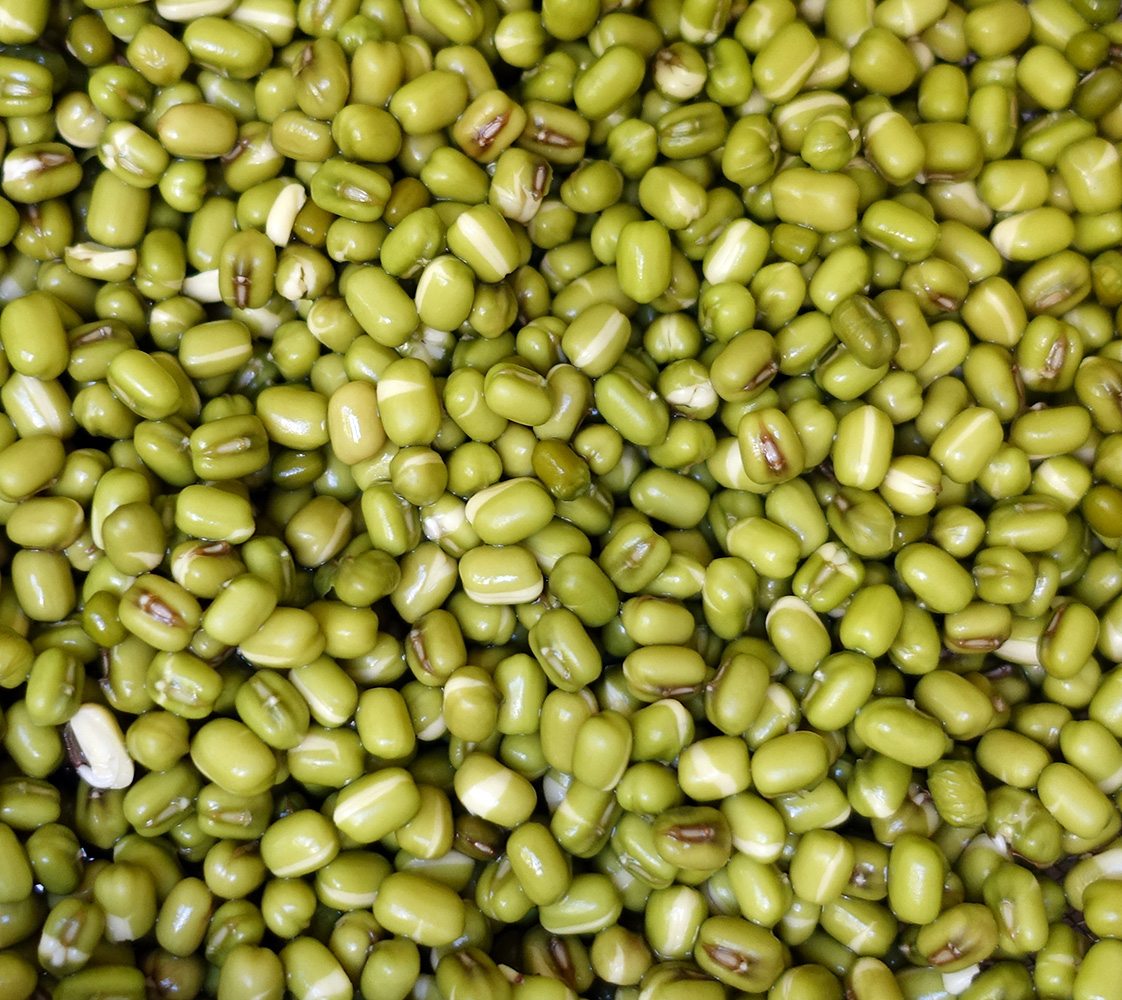
Soaking is a pre-sowing germination-management step, not a requirement for every crop. It may help selected larger or harder-shelled seeds begin germinating more quickly or evenly, but it does not guarantee a perfect tray or replace good seed, clean handling, and suitable growing conditions. Penn State Extension
Quick Microgreen Seed Soaking Chart
Extension-based starting guidance. Soak times can differ among reliable crop guides, so use these ranges as a starting point and follow crop- or supplier-specific directions when available.
What Soaking Does—and What It Does Not Do
Soaking can help selected seeds begin germinating
Penn State Extension notes that most microgreen seeds do not need treatment, but larger seeds or seeds with a hard shell may germinate more quickly after soaking. That is why pea shoots and sunflower microgreens are commonly soaked before sowing. Penn State Extension
In practical terms, soaking starts the pre-sowing hydration process before planting.
It may help germination start more quickly or evenly
Soaking may help germination begin faster or more uniformly for some crops. Mississippi State Extension, for example, notes that soaking large gray sugar peas overnight can help even out germination timing. Results can still vary with the crop, the seed lot, and the growing method. Mississippi State University Extension
Think of soaking as a useful preparation step for certain seeds—not as a guarantee.
It does not solve every growing problem
A pre-soak does not guarantee:
- Faster germination in every setup
- An even or high-yielding tray
- Higher nutritional value
- Mold prevention
- Food safety
Plain water soaking is not a seed-sanitizing treatment. Clean handling, appropriate water, suitable seed, and good growing practices remain important. FDA
Seeds That Commonly Benefit From Soaking
Pea microgreens and pea shoots
Peas are among the clearest examples of microgreen seeds commonly soaked before planting. They are relatively large, and multiple university Extension guides recommend soaking them before sowing.
A 6–12-hour soak is a useful starting range. Utah State University lists a six-hour pre-soak, while University of Maryland and UF/IFAS guidance includes ranges extending to 12 hours. Utah State University Extension University of Maryland Extension UF/IFAS
You can grow pea shoots without soaking, but soaking is commonly used to help germination begin more evenly.
Sunflower microgreens
Sunflower seeds are also commonly pre-soaked before planting as microgreens. For most home growers, roughly 8–12 hours is a reasonable starting range.
University recommendations vary slightly: UF/IFAS lists eight hours, Utah State lists 12 hours, and the University of Maryland includes sunflower among seeds that may be soaked for 6–12 hours. That variation is a useful reminder that there is no single perfect soak time for every seed batch and setup. UF/IFAS Utah State University Extension University of Maryland Extension
Wheat and wheatgrass
Wheat seed, including winter wheat grown as wheatgrass, is often soaked before planting. UF/IFAS lists about eight hours as a pre-soak time for winter wheat grown as a microgreen. UF/IFAS
That does not mean wheatgrass cannot grow from dry seed. Instead, soaking is a commonly used starting step to prepare the seed for planting. Treat eight hours as a practical baseline rather than a universal optimum.
Other crops that may benefit from soaking
Several additional crops may benefit from soaking, but their preferred durations and methods are less consistent. Avoid applying one soak time to every crop in this group.
| Crop | General Guidance |
|---|---|
| Beet | May benefit from soaking; use crop-specific directions. |
| Swiss chard | May benefit from soaking; timing may differ from beet. |
| Cilantro | Sometimes soaked; recommendations vary by method. |
| Buckwheat | Commonly soaked before planting; sprouting and tray-growing methods may differ. |
| Corn | May benefit from a pre-soak. |
| Chickpeas / garbanzo beans | May benefit from a pre-soak. |
| Mung beans | May benefit from a pre-soak. |
The University of Maryland includes these crops among seeds that may be soaked before planting, while UF/IFAS gives different timings for several of them. University of Maryland Extension UF/IFAS
Seeds Usually Sown Dry
Broccoli microgreens
Broccoli microgreen seeds are generally sown dry. Utah State University’s microgreen crop table lists broccoli as not needing a pre-soak. Utah State University Extension
For home growing, start by sowing broccoli seed directly onto properly moistened growing medium.
Radish microgreens
Radish microgreen seeds are also generally sown dry. Utah State’s table lists both Champion and purple radish as not requiring a pre-soak. Utah State University Extension
Dry sowing is the standard starting approach for radish microgreens.
What about other small seeds?
Many small microgreen seeds do not require soaking, but seed size alone is not a complete rule. Broccoli and radish are well-supported “sow dry” examples; other crops may have different recommendations.
When you are growing a crop for the first time, look for instructions specific to that crop rather than assuming every small seed should be treated the same way.
How to Soak Microgreen Seeds
For crops that commonly benefit from soaking, keep the process simple:
- Choose suitable seed. Use untreated seed marketed or otherwise verified for edible microgreen or sprout production.
- Wash your hands and clean the container. A food-safe bowl or jar works well.
- Use potable water. Add enough drinking-quality water to cover the seeds.
- Soak for the crop-appropriate range. For example, peas commonly use 6–12 hours, sunflower 8–12 hours, and winter wheat about eight hours.
- Drain the seed well. Remove excess water before sowing.
- Sow the seed according to your crop’s growing method.
Penn State Extension recommends clean, food-suitable materials and drinking-quality water for growing microgreens, while CDC guidance emphasizes handwashing and clean surfaces when handling food. Penn State Extension CDC
Avoid treating soaking as sanitization
A water soak does not remove pathogens or make seed safe to eat. It is not a replacement for appropriate seed sourcing, sanitation, or safe production practices. FDA guidance on sprouted seeds notes that even specific seed-treatment methods may reduce rather than eliminate contamination risks. FDA
Choose Suitable Seed for Edible Microgreens
Use seed intended, marketed, or verified for edible microgreen or sprout growing. Avoid seed treated with pesticides, fungicides, or other chemical coatings.
Penn State advises choosing seed that has not been chemically treated or coated and is marketed for sprouts or microgreens. North Carolina State University similarly advises against using fungicide-treated seed for edible microgreens. Penn State Extension North Carolina State University
Organic seed can be a useful purchasing preference. Organic certification is a production-labeling standard, so check product details and continue to use clean handling practices rather than treating an organic label as a guarantee that seed is untreated or free of food-safety risks. USDA National Organic Program Handbook
Microgreens vs. Sprouts: Why the Difference Matters
Microgreens and sprouts are related foods, but they are not the same product or growing method.
- Microgreens are typically grown in a growing medium and harvested above the surface.
- Sprouts are generally germinated in water and commonly eaten as the whole germinated seed, including the root.
Because the methods differ, do not automatically apply sprouting-jar instructions or soaking schedules to tray-grown microgreens. FDA
Research & Further Reading
Authoritative Sources
- Utah State University Extension — Grow Your Own Microgreens
https://extension.usu.edu/yardandgarden/research/grow-your-own-microgreens
- Penn State Extension — A Step-by-Step Guide for Growing Microgreens at Home
https://extension.psu.edu/a-step-by-step-guide-for-growing-microgreens-at-home
- University of Maryland Extension — Growing Microgreens and Baby Greens Indoors
https://extension.umd.edu/resource/growing-microgreens-and-baby-greens-indoors
- University of Florida IFAS Extension — Microgreens
https://gardeningsolutions.ifas.ufl.edu/plants/edibles/vegetables/microgreens/
- Mississippi State University Extension Service — Growing Microgreens for the Mississippi Gardener
https://extension.msstate.edu/publications/growing-microgreens-for-the-mississippi-gardener
- Penn State Extension — Growing Microgreens
https://extension.psu.edu/growing-microgreens
- Penn State Extension — Ensuring Food Safety in Microgreens Production
https://extension.psu.edu/ensuring-food-safety-in-microgreens-production
- North Carolina State University, Plants for Human Health Institute — Microgreens
https://stem.plantsforhumanhealth.ncsu.edu/school-gardens/microgreens/
- U.S. Food and Drug Administration — Guidance for Industry: Standards for the Growing, Harvesting, Packing, and Holding of Sprouts for Human Consumption
https://www.fda.gov/media/102430/download
- U.S. Food and Drug Administration — Reducing Microbial Food Safety Hazards for Sprouted Seeds
https://www.fda.gov/media/79139/download
- Centers for Disease Control and Prevention — Preventing Food Poisoning
https://www.cdc.gov/food-safety/prevention/
- U.S. Department of Agriculture Agricultural Marketing Service — National Organic Program Handbook: Seeds, Annual Seedlings, and Planting Stock in Organic Crop Production
https://www.ams.usda.gov/rules-regulations/organic/handbook/5029
Company and Product Information — Not Scientific Evidence
- Andi’s Way — Organic Sprouting Seeds
https://andisway.com/collections/organic-sprouting-seeds
- Andi’s Way — Organic Wheat Seed for Growing Wheatgrass
https://andisway.com/products/hard-red-winter-wheat-seed
Frequently asked questions
Related guides
How to Bottom-Water Microgreens Without Waterlogging the Tray
Learn how to bottom-water microgreens with nested trays, moisture checks, drain-off steps, and practical tips to avoid soggy media and standing water.
12 min read
Best Growing Medium for Microgreens: Soil vs Coco Coir vs Grow Mats
Compare potting mix, coco coir, and grow mats for microgreens. Learn the trade-offs in watering, cleanup, crop support, reuse, tray setup, and food safety.
16 min read
Do Microgreens Regrow After Cutting?
Most microgreens are a one-time harvest. Learn why some shoots may regrow after cutting, how baby greens differ, and when reseeding is the better choice.
8 min read
Stay in the loop
New guides, when they publish
An occasional email when a new guide goes live. No spam.
Your email is stored privately for future guide updates. No emails are being sent yet. Privacy policy