Microgreens · Microgreens
What Do Microgreens Taste Like? Sunflower, Pea, Broccoli, and Radish Compared
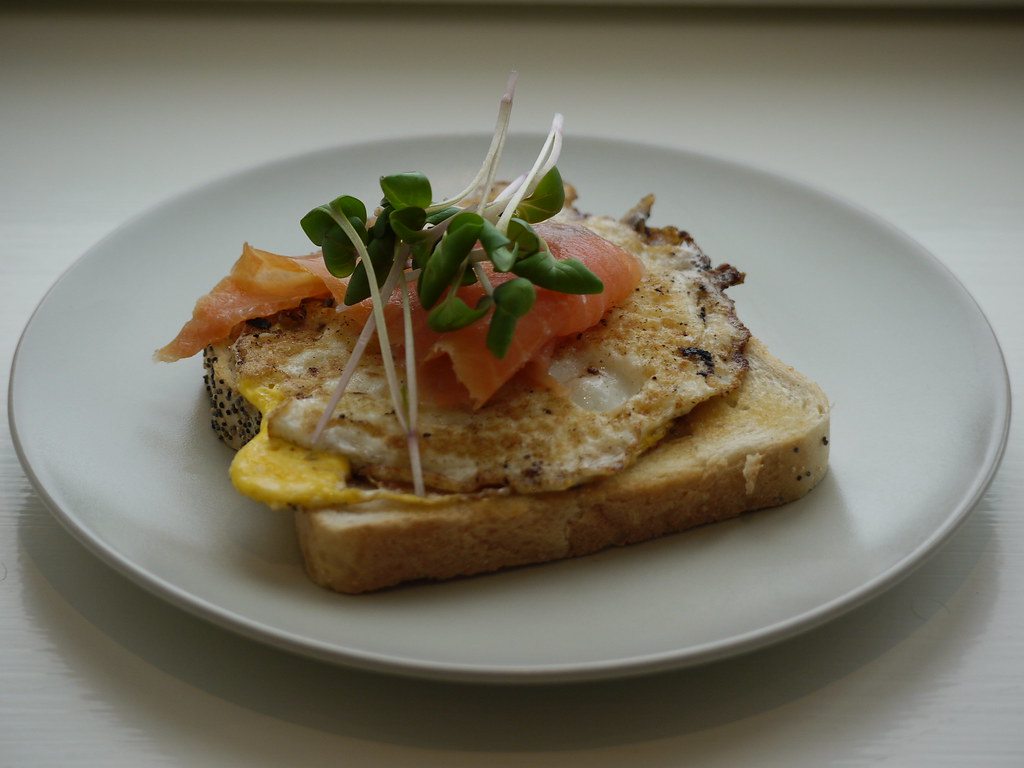
Microgreens do not all taste alike. Pea greens are usually mild and sweet, sunflower greens are mild and nutty, broccoli microgreens have a mild green or broccoli-like flavor that can be slightly bitter, and radish microgreens bring a clear peppery bite.
For a gentle first experience, start with pea or sunflower. Choose broccoli for a subtle savory brassica note, or radish when you want a more assertive, peppery finish. These are practical buying suggestions, not standardized sensory rankings.
These are useful buying expectations, not guarantees. Variety, harvest timing, handling, storage, and personal sensitivity to bitterness or pungency can affect the final flavor and texture.
The crop-specific flavor descriptions in this guide draw primarily on University of Connecticut Extension guidance and Utah State University Extension guidance. Those sources provide descriptive crop guidance rather than a universal laboratory ranking.
Quick Buyer Guide
- Want the gentlest flavor? Try pea greens.
- Want mild flavor with nutty character? Choose sunflower greens.
- Want a subtle savory green? Try broccoli microgreens.
- Want a peppery, spicy finish? Choose radish microgreens.
These labels are practical selection guidance. They should not be read as standardized intensity scores that apply equally to every variety, harvest, or package.
Microgreen Flavor Chart: Sunflower, Pea, Broccoli, and Radish
| Variety | Typical flavor profile | Practical intensity guide | Texture expectation* | Good uses | A good fit for |
|---|---|---|---|---|---|
| Sunflower greens | Mild, nutty, lightly sweet | Mild | May provide a somewhat substantial leafy bite | Salads, sandwiches, wraps, bowls | People who want mild flavor without pepperiness |
| Pea greens | Fresh, mild, sweet-pea-like | Mild | Often tender to pleasantly crisp, depending on the cut and handling | Salads, bowls, sandwiches, light meals | First-time buyers and mild-flavor preferences |
| Broccoli microgreens | Mild green or broccoli-like, with a possible slight bitter edge | Mild to moderate | Often a delicate leafy texture, though cut and handling matter | Eggs, salads, grain bowls | People who prefer a subtle savory flavor |
| Radish microgreens | Peppery, spicy, sometimes nutty-spicy | More assertive | Usually used as a light finishing green; crispness varies | Tacos, eggs, sandwiches, avocado toast, bowls | People who enjoy peppery salad greens |
\*Texture descriptions are practical culinary expectations, not standardized measurements. Harvest stage, packaging, freshness, and handling can change whether a microgreen seems tender, crisp, delicate, or substantial.
The flavor descriptions above are based primarily on crop-specific guidance from the University of Connecticut Extension and Utah State University Extension. The intensity labels are intended to help with selection; they are not a universal laboratory ranking. No single detailed, standardized published sensory comparison was identified that ranks all four varieties side by side.
What Do Sunflower Microgreens Taste Like?
Flavor
Sunflower microgreens generally have a mild, nutty, lightly sweet flavor. University extension resources describe sunflower greens as nutty or nutty-sweet, making them a useful option for people who want a noticeable green without a peppery finish.
They may remind some people of the general nuttiness associated with sunflower seeds, but they do not necessarily taste exactly like the mature seeds.
Compared with radish microgreens, sunflower greens are usually the gentler choice. They are a practical match for people who dislike spicy or sharp-tasting greens.
Texture
Texture can vary considerably. Some people may experience sunflower greens as having a somewhat more substantial leafy bite than very fine microgreens, but that is a practical expectation rather than a fixed characteristic of every crop, grower, or package.
Best culinary uses
Try sunflower greens in:
- Salads
- Sandwiches
- Wraps
- Grain bowls
- Rice bowls
- Savory lunches that need a mild green element
Their nutty character can complement creamy spreads, roasted vegetables, grains, and simple vinaigrettes without overwhelming the dish.
Choose sunflower greens if…
Choose sunflower if you:
- Prefer mild flavors
- Like nutty or lightly sweet notes
- Want a leafy green without peppery heat
- Enjoy a more noticeable bite in sandwiches, wraps, or bowls
What Do Pea Shoots or Pea Greens Taste Like?
Flavor
Pea greens are usually one of the gentlest microgreen choices. Expect a fresh, mild, sweet-pea flavor that can be easy to pair with familiar foods.
The flavor may remind you of peas, but it is not necessarily identical to eating mature peas. The young greens are leafy and fresh, with a lightly sweet character rather than a starchy pea flavor.
The University of Connecticut Extension describes pea shoots as mild and sweet, while Utah State University Extension uses the descriptor “sweet pea.”
Texture
Pea greens may range from tender to pleasantly crisp depending on how they are harvested and handled. Rather than expecting one exact texture, think of them as soft leafy shoots with a fresh bite.
Best culinary uses
Pea greens can work well in:
- Salads
- Grain bowls
- Sandwiches
- Wraps
- Light soups as a topping
- Simple savory meals that benefit from a lightly sweet green note
Their mild sweetness can soften salty, acidic, or earthy ingredients without adding the peppery contrast associated with radish microgreens.
Choose pea greens if…
Pea greens are a sensible starting point if you:
- Prefer mild or lightly sweet flavors
- Do not enjoy peppery greens
- Are trying microgreens for the first time
- Want an easy topping for salads or sandwiches
A note on the name
Seller terminology varies by product and harvest stage. This guide uses pea greens and pea shoots for the tender pea greens discussed here.
What Do Broccoli Microgreens Taste Like?
Flavor
Broccoli microgreens generally taste mildly green and broccoli-like, sometimes with a slight bitter, savory, or sulfurous edge. Some people notice a familiar cabbage-family flavor, while others experience them mostly as fresh green and vegetal.
Broccoli can be a practical middle-ground choice in this comparison: more savory than pea or sunflower, but typically less obviously peppery than radish. This is a selection guide rather than a standardized sensory ranking.
Why can broccoli taste more pungent than pea or sunflower?
Broccoli and radish are members of the Brassicaceae family, which includes many vegetables known for bitter, sulfurous, or pungent flavor notes.
Glucosinolates and related breakdown products can contribute to these sensory characteristics in Brassicaceae foods. That does not mean every broccoli microgreen tastes the same, or that one compound determines its flavor. It helps explain why broccoli and radish may have more brassica character than pea or sunflower. For background, see the PubMed review on taste and flavor perceptions of glucosinolates, isothiocyanates, and related compounds.
Texture
Broccoli microgreens are often experienced as fine or delicate greens, but the final texture depends on the cut, harvest stage, packaging, freshness, and handling. Treat “tender” as a practical expectation, not a universal property.
Best culinary uses
Broccoli microgreens can complement:
- Eggs and omelets
- Salads
- Grain bowls
- Rice bowls
- Sandwiches
- Other savory meals
Use them when you want a mild savory green accent rather than sweetness or a strong peppery finish.
Choose broccoli microgreens if…
Broccoli may suit you if you:
- Prefer savory flavors to sweet ones
- Want a mild brassica or green flavor
- Are comfortable with a possible slight bitter edge
- Want something less peppery than radish
What Do Radish Microgreens Taste Like?
Flavor
Radish microgreens generally have a peppery, spicy, assertive flavor. They are a practical choice when you want a green with noticeable bite.
Here, “spicy” usually means a fresh radish-like pepperiness rather than the burning heat associated with hot chile peppers. Still, the intensity can vary among radish varieties, harvests, and individual tasters.
University extension guides describe radish microgreens as spicy, peppery, or nutty-spicy. See the University of Connecticut Extension and Utah State University Extension descriptions.
How spicy are radish microgreens?
Radish microgreens are often more peppery than pea, sunflower, or broccoli microgreens, but they are not all equally intense. The experience can vary with:
- The radish variety
- Harvest timing
- Freshness and post-harvest handling
- Storage conditions
- Your own sensitivity to pungent flavors
If you enjoy fresh radishes, mustard greens, arugula, watercress, or peppery salad greens, radish microgreens may be a natural fit.
Best culinary uses
Use radish microgreens where a dish benefits from fresh peppery contrast, including:
- Tacos
- Avocado toast
- Eggs
- Sandwiches
- Grain bowls
- Creamy dishes
- Salads with mild ingredients
They work especially well as a finishing green, where their flavor can remain distinct instead of blending into the dish.
Choose radish microgreens if…
Choose radish if you:
- Enjoy peppery or pungent greens
- Like fresh radishes, mustard, arugula, or watercress
- Want a topping with noticeable character
- Prefer savory contrast over mild sweetness
Which Microgreen Should You Try First?
There is no universally best-tasting microgreen. The right choice depends on whether you enjoy sweetness, nuttiness, savory brassica flavor, or peppery intensity.
Choose pea greens for mild sweetness
Pea greens are a practical first choice for cautious buyers. Their sweet-pea character is generally gentle and works easily with salads, bowls, sandwiches, and other familiar meals.
Choose sunflower greens for mild nuttiness
Sunflower greens are a good option when you want a mild green with nutty character. They can be especially appealing if you want a more noticeable leafy bite without radish-like pepperiness.
Choose broccoli for a subtle savory green
Broccoli microgreens are a good fit when you want a mild brassica note. They offer more savory character than pea or sunflower without necessarily bringing the sharper pepperiness associated with radish.
Choose radish for peppery bite
Radish microgreens are a choice for people who want their topping to stand out. Their peppery quality can add contrast to creamy, rich, salty, or otherwise mild foods.
>
>
>
Why Can the Same Microgreen Taste Different?
The crop type gives you a useful starting point, but it does not determine exactly how every package will taste.
A microgreen’s flavor and texture can be influenced by:
- Variety: Different cultivars of the same crop can differ in sweetness, bitterness, and pungency.
- Harvest timing: Younger and more developed greens may not have the same flavor or texture.
- Post-harvest handling: Handling and packaging can affect sensory quality.
- Storage: Microgreens can change during storage, particularly as freshness declines.
- Personal perception: People vary in how strongly they perceive bitterness, sweetness, sulfurous aromas, and pepperiness.
Research on microgreen consumer sensory perception and acceptance and on sensory attributes, packaging, and storage supports the importance of flavor and texture in how people evaluate microgreens. These findings do not establish a universal taste ranking for every crop or package.
How to Use Microgreens Without Overpowering a Dish
Pair mild microgreens with delicate foods
Pea and sunflower greens work well with salads, sandwiches, wraps, and bowls when you want the microgreens to complement the other ingredients.
Use pea greens for a fresh, lightly sweet note. Choose sunflower for mild nuttiness and a more noticeable leafy presence.
Use broccoli as a savory accent
Broccoli microgreens can suit eggs, salads, and grain bowls where a subtle green or brassica flavor fits naturally. They can add savory character without becoming the dominant element of the meal.
Use radish as a finishing ingredient
Radish microgreens are useful when a dish needs a peppery contrast. Add them to tacos, avocado toast, eggs, sandwiches, bowls, or creamy foods where their sharper flavor has room to stand out.
Frequently Asked Questions
Research & Further Reading
Educational and scientific sources
University of Connecticut Extension — Microgreens Crop-specific flavor descriptions, including mild and sweet pea shoots, nutty sunflower greens, slightly bitter broccoli, and spicy radish. https://extension.uconn.edu/publication/microgreens/
Utah State University Extension — Grow Your Own Microgreens Flavor descriptions and production information for several microgreen crops, including pea, sunflower, broccoli, and radish. https://extension.usu.edu/yardandgarden/research/grow-your-own-microgreens/
PubMed — Microgreens: Consumer Sensory Perception and Acceptance of an Emerging Functional Food Crop Consumer sensory research examining how flavor and texture contribute to microgreen acceptance. The study includes broccoli and tendril pea microgreens but does not provide a standardized comparison of all four varieties in this guide. https://pubmed.ncbi.nlm.nih.gov/32144771/
PubMed — Taste and Flavor Perceptions of Glucosinolates, Isothiocyanates, and Related Compounds Background on bitter, sulfurous, and pungent sensory properties associated with compounds found in Brassicaceae foods. https://pubmed.ncbi.nlm.nih.gov/29578640/
Penn State Extension — The ABCs of Microgreens Educational background on microgreens and Brassicaceae crops. https://extension.psu.edu/the-abcs-of-microgreens
Vineland Research and Innovation Centre — Microgreen Flavour Diversity A blind sensory exploration involving microgreens and baby greens, including broccoli, sunflower, pea shoots, and radish. https://www.vinelandresearch.com/wp-content/uploads/2024/01/5-Microgreen-flavour-diversity.pdf
MDPI Agronomy — Sensory Attributes and Consumer Acceptability of 12 Microgreens Species Research on sensory attributes, consumer acceptance, packaging, and storage-related changes in microgreens. https://www.mdpi.com/2073-4395/10/7/1043
PubMed Central — Review of Microgreens, Freshness, Storage, and Consumer Acceptance Review covering microgreen sensory acceptance and post-harvest considerations. https://pmc.ncbi.nlm.nih.gov/articles/PMC11225695/
Andi’s Way company and product information
The following company pages are included for product terminology and product navigation, not as scientific evidence about flavor, nutrition, or health. Confirm that product pages and collection contents are current before publication.
Andi’s Way Fresh Organic Microgreens Collection https://andisway.com/collections/microgreens
Andi’s Way Fresh Organic Sunflower Greens https://andisway.com/products/sunflower-greens-sprouts
Andi’s Way Fresh Organic Pea Greens https://andisway.com/products/pea-greens-sprouts
Andi’s Way Broccoli Microgreens https://andisway.com/products/broccoli-microgreens-fresh-cut-organic-1-8-oz
Andi’s Way Fresh Organic Radish Microgreens https://andisway.com/products/fresh-organic-radish-microgreens
Related guides
Sunflower Microgreens vs. Pea Shoots: Taste, Growing, Storage, and Use
Sunflower microgreens and pea shoots are both popular large-seeded crops for home trays, but they deliver different flavors, textures, and harvest styles.
14 min read
Sunflower Sprouts vs. Sunflower Microgreens: What’s the Difference?
Learn how sunflower sprouts and sunflower microgreens differ in growth stage, harvest method, texture, uses, and raw-food safety considerations.
13 min read
Best Microgreens for Beginners: Radish, Broccoli, Pea, or Sunflower?
Compare radish, broccoli, pea, and sunflower microgreens by seed prep, harvest time, flavor, and beginner-friendliness to choose your first tray.
10 min read
Stay in the loop
New guides, when they publish
An occasional email when a new guide goes live. No spam.
Your email is stored privately for future guide updates. No emails are being sent yet. Privacy policy