Microgreens · Pea Shoots
What Are Pea Shoots?
Pea shoots are the young, tender stems, leaves, growing tips, and often curling tendrils of garden pea plants (<em>Pisum sativum</em>). They are commonly grown from snow pea varieties, although other garden peas may be used. Fresh pea shoots have a mild, sweet, pea-like flavor and can be eaten raw or lightly cooked. <a href="https://s3.wp.wsu.edu/uploads/sites/2709/2021/05/pea-shoot-brochure.pdf" target="_blank" rel="noopener noreferrer">Washington State University</a>
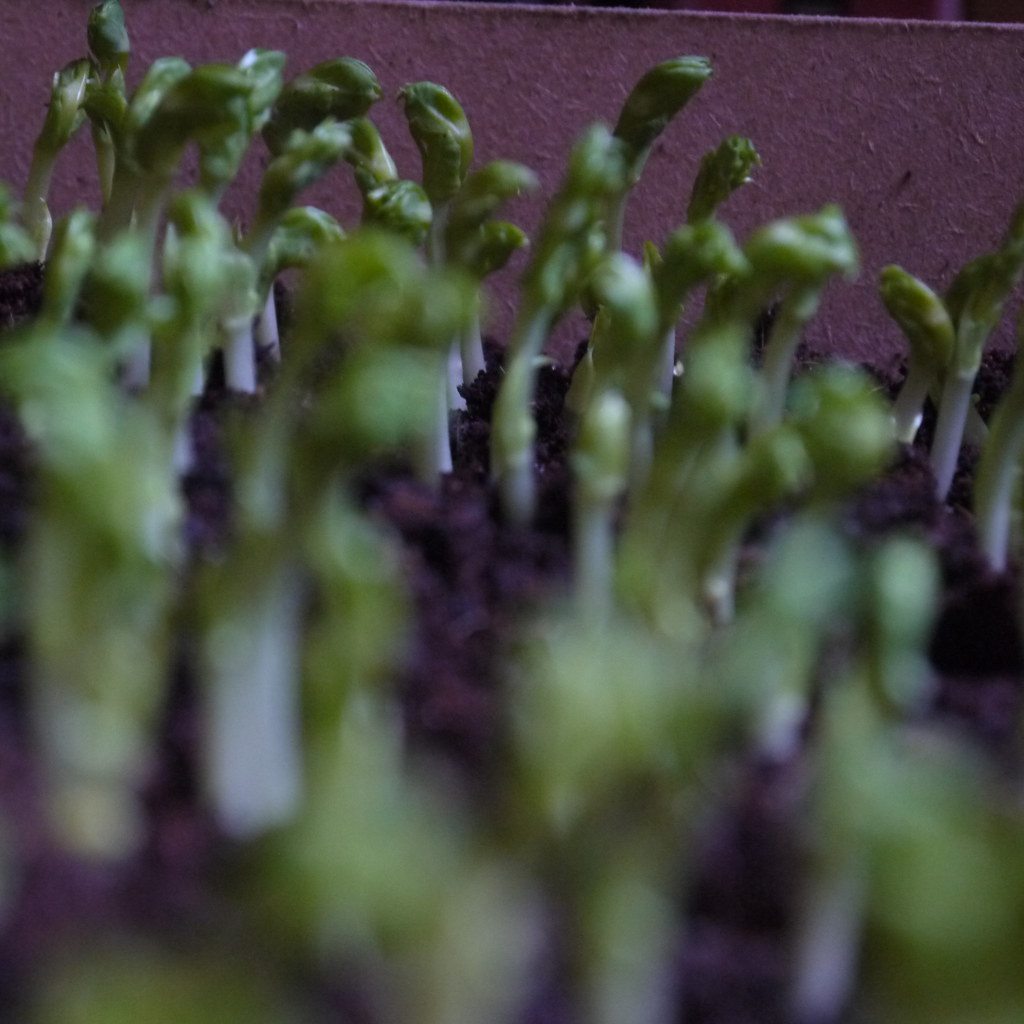
Pea shoots, pea greens, and pea microgreens can overlap as retail and culinary terms. However, pea shoots are not the same as pea sprouts: sprouts are harvested at an earlier stage, while shoots are grown longer for their stems, leaves, and often tendrils. U.S. Food and Drug Administration
Pea Shoots at a Glance
| Feature | What to Know |
|---|---|
| Plant | Garden pea (Pisum sativum) |
| Edible parts | Young stems, leaves, growing tips, and often tendrils |
| Typical flavor | Mild, sweet, fresh, and pea-like |
| Typical texture | Tender with light crispness |
| Common uses | Salads, sandwiches, grain bowls, soups, and quick stir-fries |
| Typical growing timeline | Often roughly 8–14 days indoors, depending on variety and conditions |
What Do Pea Shoots Look and Taste Like?
Tender leaves, stems, and curling tendrils
Pea shoots look like miniature pea vines. A bunch may include slender green stems, small leaves, tender growing tips, and delicate curling tendrils.
They are generally leafier and more developed than newly germinated pea sprouts. Their appearance varies with the pea variety and the harvest stage. Earlier harvests may have shorter stems and fewer tendrils, while later harvests can be taller and leafier.
Washington State University describes pea shoots as the tender leaves, growing tips, and tendrils of pea plants. Washington State University
Mild, sweet pea flavor
Pea shoots are commonly described as mild, sweet, fresh, and distinctly pea-like. Their flavor is reminiscent of fresh peas, with a lighter green character.
When raw, their stems and leaves are usually tender with a light crispness. Brief cooking softens them and can mellow their flavor. As with other fresh greens, taste and texture can vary with variety, maturity, growing conditions, and preparation. Utah State University Extension
Pea Shoots vs. Pea Greens vs. Pea Microgreens vs. Pea Sprouts
These labels are not always used the same way by growers, retailers, and cooks. The table below is a practical guide, not a universal naming standard.
| Term | Practical meaning | Growth-stage context | Key clarification |
|---|---|---|---|
| Pea shoots | Young pea stems, leaves, growing tips, and often tendrils | Often harvested at a leafier stage | A common culinary name for the edible young pea plant |
| Pea greens | A retail and culinary term that often overlaps with pea shoots | Can vary by seller | Not a universally fixed category |
| Pea microgreens | Young pea plants grown beyond the sprout stage and typically cut above the growing medium | Generally later than sprouts, at a leafy stage | Some growers and sellers describe pea shoots as pea microgreens |
| Pea sprouts | Germinated pea seeds harvested at an earlier stage | Generally before true leaves emerge | Not interchangeable with pea shoots |
Are pea shoots and pea greens the same?
Often, the terms overlap, but there is no strict consumer-facing definition that every seller follows.
“Pea greens” may describe tender young pea plants sold for salads or cooking. Depending on the grower or retailer, similar products may be labeled pea shoots, pea tendrils, or pea microgreens. In practical terms, a product containing young pea stems, leaves, and tendrils may be sold under more than one of these names.
Are pea shoots and pea microgreens the same?
They can overlap.
FDA guidance distinguishes microgreens from sprouts by their later growth stage and typical harvest method: microgreens are generally grown in soil or another substrate and cut above the growing medium. Pea shoots are commonly grown to a leafier stage that may include tendrils, so many growers and cooks group them with pea microgreens. U.S. Food and Drug Administration
Still, terminology varies. One grower may call a short leafy crop “pea microgreens,” while another may use “pea shoots” for a taller harvest with more developed stems and tendrils.
Why pea shoots are not the same as pea sprouts
Pea shoots and pea sprouts both begin with pea seeds, but they are harvested at different stages.
Sprouts are germinated seeds harvested early, generally before true leaves emerge. Pea shoots are grown longer to develop tender stems, leaves, and often tendrils. They are typically cut above the growing medium rather than eaten as an intact germinated seed. U.S. Food and Drug Administration
The distinction also matters for food safety. Raw sprouts have particular food-safety considerations because the warm, humid conditions used for sprouting can also allow bacteria to multiply. That does not mean raw pea shoots are automatically unsafe; like other fresh produce, they should be grown, stored, washed, and prepared carefully. U.S. Food and Drug Administration
How Are Pea Shoots Used?
Pea shoots work as both a fresh finishing green and a lightly cooked vegetable.
Eat pea shoots raw
Raw pea shoots can add a fresh pea flavor to:
- Green salads
- Sandwiches and wraps
- Grain or rice bowls
- Cold noodle salads
- Open-faced sandwiches and toasts
Use them much as you would use baby spinach, arugula, or another delicate leafy green.
Lightly cook them
Pea shoots can also be briefly cooked in:
- Stir-fries
- Soups
- Warm grain dishes
- Egg dishes
- Pasta
- Quick vegetable sautés
Add them near the end of cooking
Because pea shoots are tender, they are often added near the end of cooking. This helps maintain their fresh flavor and light texture rather than cooking them down for a long time. Washington State University recommends adding them near the end of stir-fries or soups and cooking only until wilted. Washington State University
Are Pea Shoots Nutritious?
Pea shoots are a nutrient-containing leafy vegetable. A peer-reviewed composition study identified dietary fiber, vitamins C and E, potassium, carotenoids associated with vitamin A activity, and flavonoid compounds in fresh pea shoots. Santos et al., Food Research International
The nutrient profile of a particular crop can vary with the pea variety, growing conditions, harvest stage, and postharvest storage and handling. Serving size affects how much of those nutrients a person consumes. Turner, Luo, and Buchanan
These findings support including pea shoots as part of a varied diet that includes vegetables. However, composition research does not establish that pea shoots prevent, treat, reverse, or cure disease. Human clinical research on specific pea-shoot health outcomes remains limited. Teng, Liao, and Wang
How Are Pea Shoots Grown?
Pea shoots are generally started from pea seeds in a shallow tray or another growing setup. As the plants develop, they produce young stems, leaves, and sometimes tendrils. They are typically harvested by cutting them above the growing medium. Cornell Cooperative Extension
Under suitable indoor conditions, pea shoots are often ready to harvest in roughly 8–14 days. The actual timeline depends on the pea variety, temperature, light, growing medium, and other conditions. Utah State University Extension
A complete growing method involves additional considerations, including selecting seeds intended for edible shoots, sanitation, watering, lighting, mold prevention, harvesting, and storage.
Freshness and Food Safety
Handle pea shoots as perishable fresh produce
Store fresh pea shoots in the refrigerator. Use clean hands, utensils, containers, and preparation surfaces, and keep shoots separate from raw meat, poultry, seafood, and their juices to help prevent cross-contamination. U.S. Food and Drug Administration
Wilting is primarily a quality concern, not necessarily a sign that shoots are unsafe. Discard produce that appears rotten or otherwise spoiled.
Rinse before eating
Rinse fresh pea shoots under running water before eating or preparing them. Washing can reduce surface bacteria, but it cannot eliminate all bacteria that may be present. U.S. Food and Drug Administration
Do not wash fresh produce with soap, detergent, or household cleaning products.
Keep sprouts and shoots distinct
Raw sprouts have food-safety considerations that are specific to sprouting conditions, which are warm and humid enough to support bacterial growth if contamination is present. Pea shoots are not interchangeable with sprouts, but they are still fresh produce that may be eaten raw. Careful growing, refrigeration, washing, and preparation remain important. U.S. Food and Drug Administration
Frequently asked questions
Research & Further Reading
Research and scientific reviews
- Santos J, et al. Assessment of nutritional and metabolic profiles of pea shoots: The new ready-to-eat baby-leaf vegetable. Food Research International (2014).
- Turner ER, Luo Y, Buchanan RL. Microgreen nutrition, food safety, and shelf life: A review. Journal of Food Science (2020).
- Teng J, Liao P, Wang M. The role of emerging micro-scale vegetables in human diet and health benefits—an updated review based on microgreens. Food & Function (2021).
- Xiao Z, Lester GE, Luo Y, Wang Q. The Science behind Microgreens as an Exciting New Food for the 21st Century. Journal of Agricultural and Food Chemistry (2018).
Government and university guidance
- U.S. Food and Drug Administration. Guidance for Industry: Standards for the Growing, Harvesting, Packing, and Holding of Sprouts for Human Consumption.
- U.S. Food and Drug Administration. Selecting and Serving Produce Safely.
- Washington State University. Pea Shoots.
- Washington State University. Pea Shoots: Food from the Field Series.
- University of New Hampshire Extension. Sprouts or Microgreens: Where does your farm fall under FSMA?
- Utah State University Extension. Grow Your Own Microgreens.
- Cornell Cooperative Extension. How to Grow Pea Shoots.
Company and product information — not scientific evidence
- Andi’s Way. Organic Pea Seeds for Microgreens & Pea Shoots.
- Andi’s Way. Fresh Organic Microgreens collection.
Related guides
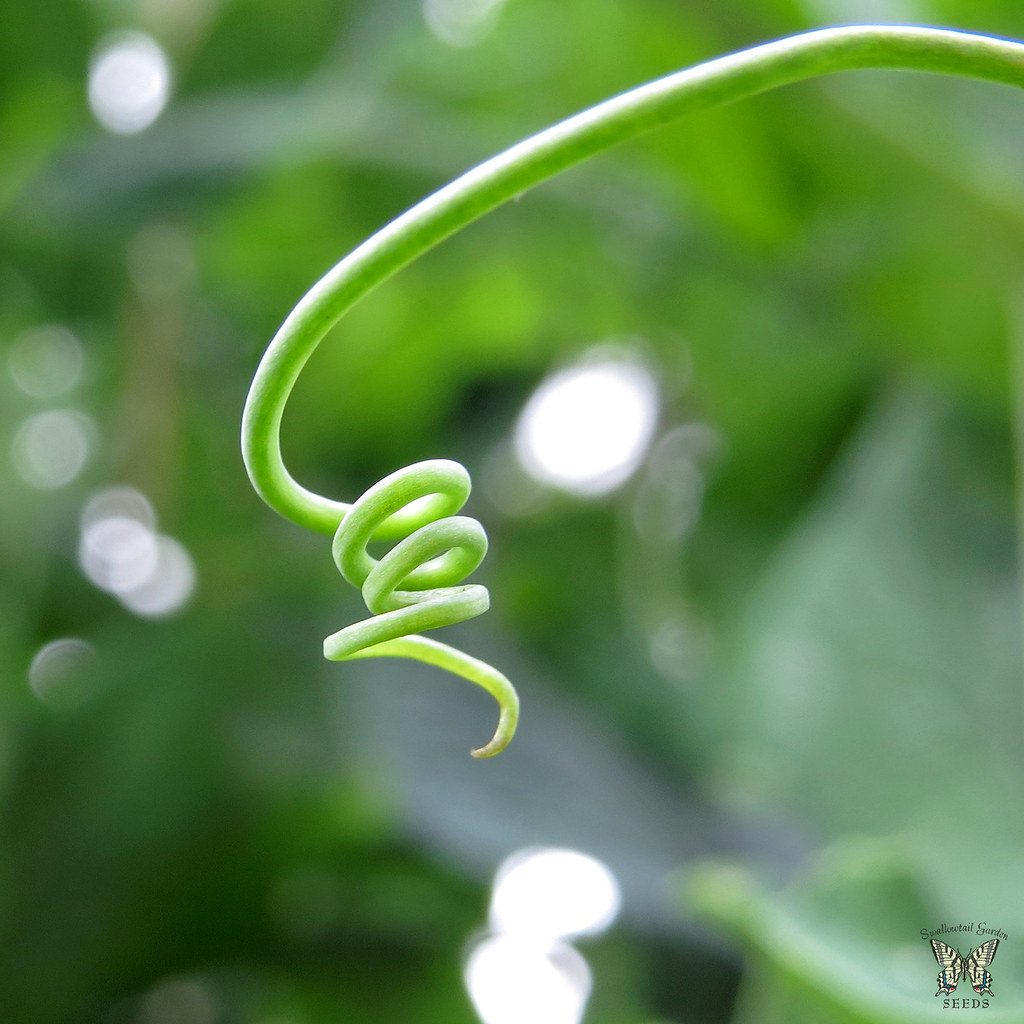
Pea Shoots vs. Pea Microgreens vs. Pea Tendrils: What’s the Difference?
Pea shoots, pea microgreens, and pea tendrils come from pea plants but are not always the same thing. Compare their growth stage, appearance, and best uses.
10 min read
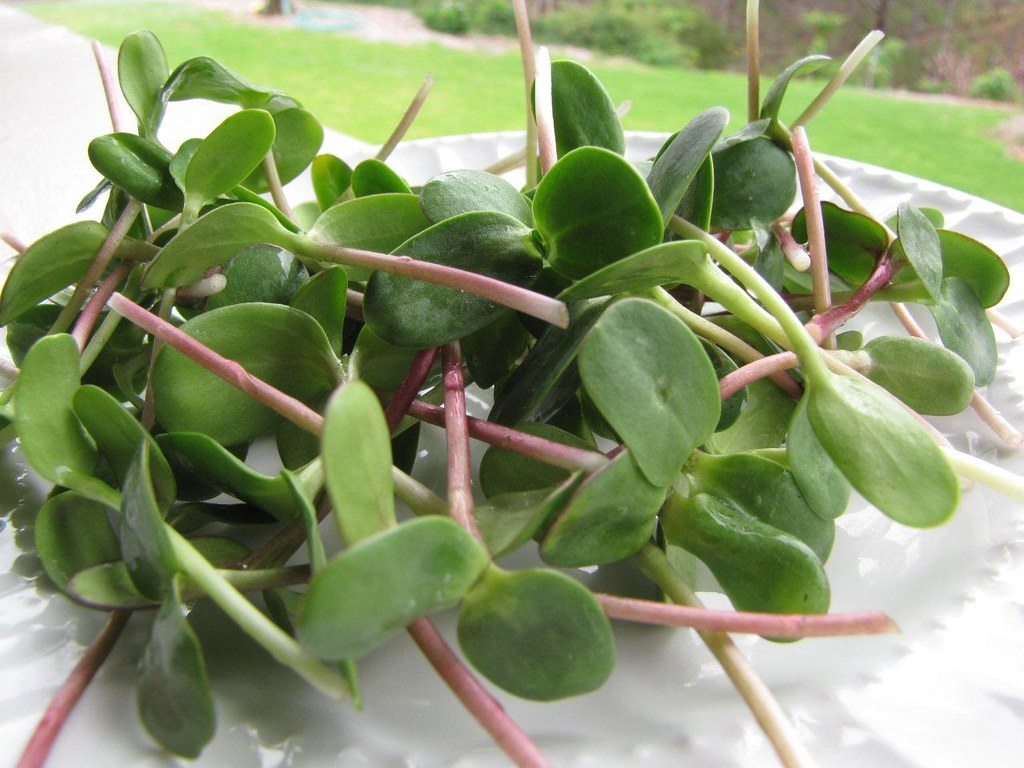
Sunflower Sprouts vs. Sunflower Microgreens: What’s the Difference?
Learn how sunflower sprouts and sunflower microgreens differ in growth stage, harvest method, texture, uses, and raw-food safety considerations.
13 min read
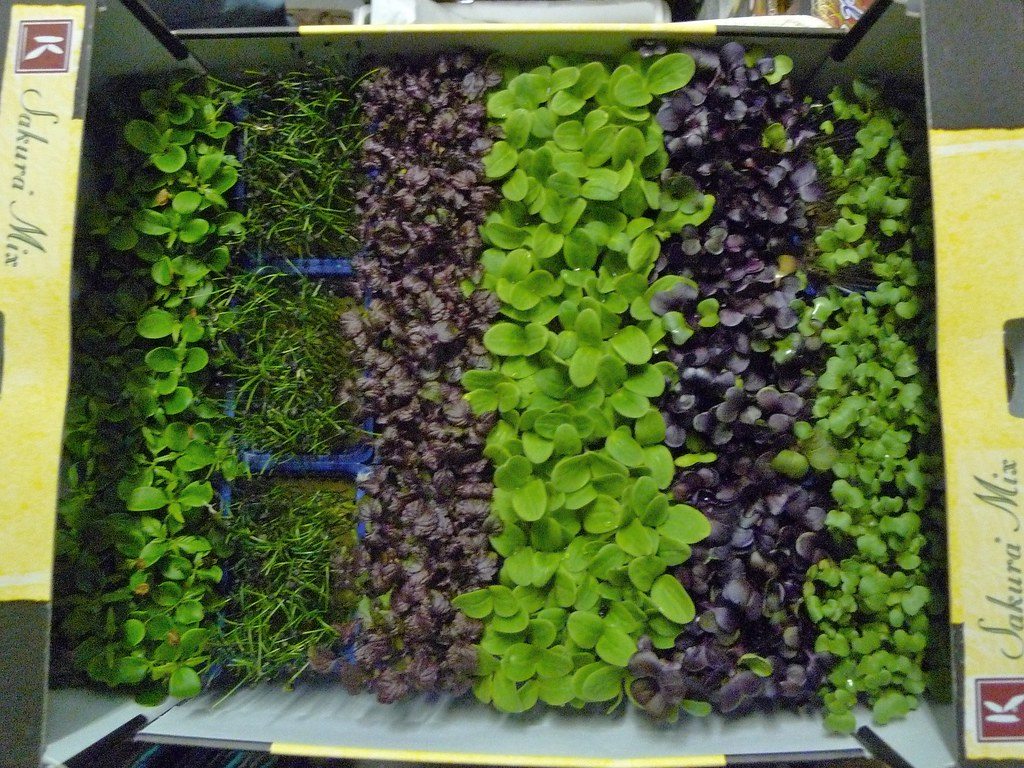
Best Microgreens for Beginners: Radish, Broccoli, Pea, or Sunflower?
Compare radish, broccoli, pea, and sunflower microgreens by seed prep, harvest time, flavor, and beginner-friendliness to choose your first tray.
10 min read
Stay in the loop
New guides, when they publish
An occasional email when a new guide goes live. No spam.
Your email is stored privately for future guide updates. No emails are being sent yet. Privacy policy