Microgreens · Pea Shoots
Pea Shoots vs. Pea Microgreens vs. Pea Tendrils: What’s the Difference?
When comparing <strong>pea shoots vs pea microgreens</strong>, it helps to know that pea shoots, pea microgreens, and pea tendrils all come from pea plants, but the labels emphasize different parts or stages of the crop.
- Pea microgreens are peas harvested at an early seedling stage, generally after the seed leaves—called cotyledons—have developed and as true leaves begin to emerge.
- Pea shoots, sometimes called pea greens, are tender young pea-vine tips that may include stems, leaves, and immature tendrils.
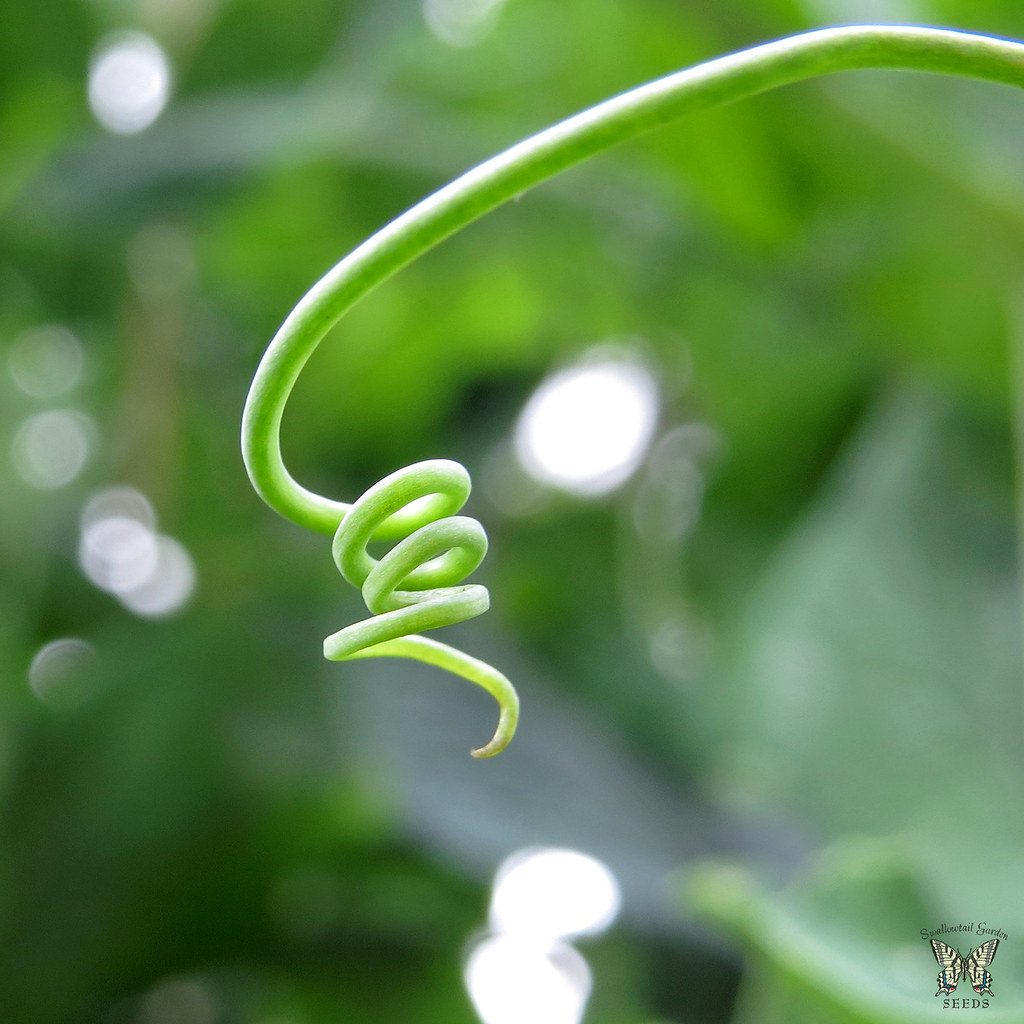
- Pea tendrils are the plant’s curling climbing structures. In culinary settings, “pea tendrils” may also describe tender pea tips selected for their prominent curls.
The terminology is not perfectly standardized. In this guide’s review of recipe and retail usage, pea shoots and pea microgreens are sometimes used interchangeably. More precisely, microgreen describes an early harvest stage, while pea shoot usually describes tender young vine growth. [1][2]
Quick Comparison: Pea Microgreens, Pea Shoots, and Pea Tendrils
| Feature | Pea microgreens | Pea shoots / pea greens | Pea tendrils |
|---|---|---|---|
| What the name usually emphasizes | An early pea-seedling harvest stage | Tender young pea-vine tips | A curling plant structure, or a tendril-forward culinary product |
| Typical growth stage | Cotyledons developed, with true leaves emerging or early | Young through somewhat more developed vine-tip stage | Varies by cultivar, maturity, and product style |
| Parts commonly eaten | Stem, cotyledons, and early leaves | Tender stems, leaves, and sometimes tendrils | Usually tender pea tips sold with visible curls; may also include leaves and stems |
| Typical appearance | Compact and seedling-like | Leafier, often with more substantial stems | Airy and curly, with noticeable climbing structures |
| Common uses | Sandwiches, salads, bowls, and light garnishes | Salads, sandwiches, sautés, and stir-fries | Garnish, salads, or brief cooking when the product is specifically sold as tender and edible |
| Labeling caution | May be sold as “pea shoots” by some sellers | May overlap with “pea greens” or “pea microgreens” | May refer to tendrils themselves or to tender shoots with many tendrils |
These are practical distinctions, not universal retail rules. Check the product photo and description instead of relying on the name alone. “Tendril” is a botanical term, while “pea tendrils” can also be a culinary product label. [1][2][3]
What Are Pea Microgreens?
Microgreen Is a Harvest-Stage Term
Microgreens are young edible plants harvested after germination, once their seed leaves, or cotyledons, have developed and true leaves are emerging or beginning to develop. Cotyledons are the first leaves formed by the seedling; true leaves are the more developed leaves that follow. [1][4]
Peas are one of many crops that can be grown and harvested as microgreens. The term does not identify a separate pea variety. Instead, it describes the crop’s early edible harvest stage. [1][4]
The exact appearance of pea microgreens can vary with the pea variety, growing conditions, and the producer’s preferred harvest point. A fixed height, age, or leaf count is therefore not a dependable definition.
Why Peas Can Blur the Line
Peas may look larger and leafier than the tiny greens many people associate with crops such as broccoli or radish microgreens. That can make a young pea crop look more like a small vine than a compact tray of seedlings.
As a result, a seller may call a similar product “pea microgreens,” “pea shoots,” or “pea greens.” The label may reflect the crop’s harvest stage, its vine-like appearance, or a retailer’s preferred naming convention.
What Are Pea Shoots or Pea Greens?
Tender Tips of a Pea Vine
Pea shoots are tender young tips of a pea vine. Depending on maturity and harvest style, they may include tender stems, leaves, and immature tendrils. More developed vine tips can also include flower buds or immature pods. [2]
The term pea greens is often used for similar leafy pea growth, particularly when the product appears more leaf-forward than seedling-like. However, no single universal retail standard was identified in the authoritative sources reviewed for this guide. Growers, retailers, and recipes may use the labels differently.
Why Pea Shoots Do Not Have One Fixed Size
Pea shoots can be harvested at different stages. Some are sold as dense young greens, while others are more developed vine tips with larger leaves, longer stems, or more visible tendrils. [2]
That variation is why height alone cannot reliably settle whether a product is a pea microgreen, pea shoot, or pea green. The crop’s maturity, cultivar, growing system, and intended culinary use can all affect its appearance.
What Are Pea Tendrils?
The Botanical Meaning of a Pea Tendril
A pea tendril is a real botanical structure: the thin, curling part of the pea plant that helps the vine climb and support itself. In garden peas, tendrils are modified leaflets. [3]
> Tendril: a plant feature, not a separate pea species.
A pea plant can produce stems, leaves, and tendrils as it develops. The tendril is one feature of the shoot, not an entirely separate crop.
The Culinary Meaning of “Pea Tendrils”
On menus and produce labels, “pea tendrils” may describe more than detached curls. The name can be used for tender pea-vine tips with plentiful visible tendrils, often sold with leaves and stems attached.
That does not mean every tendril from every pea cultivar is equally tender or desirable to eat. Some pea varieties are grown for especially leafy, edible shoots, while tendrils from other cultivars may be less palatable. When buying pea tendrils, look for a product description that identifies them as tender, edible pea tips or greens. [2]
Why the Names Overlap
The names overlap because each one calls attention to a different characteristic:
- Pea microgreens emphasizes the crop’s early harvest stage.
- Pea shoots emphasizes tender young vine growth.
- Pea greens often emphasizes leafy pea growth.
- Pea tendrils emphasizes the plant’s curling climbing structures.
The same general pea crop may receive different labels depending on its maturity, cultivar, packaging, retail convention, or how a chef plans to use it.
A useful practical framework is:
- Microgreen = early harvest stage
- Shoot = edible young vine growth
- Tendril = a curling feature of that growth
The labels are not meaningless, but they should not be treated as universally enforced marketplace definitions.
Pea Shoots vs. Pea Tendrils: Are They Different?
Usually, yes—but they are closely related.
A pea shoot is generally the broader tender tip of a young pea vine. It may contain a stem, leaves, and tendrils. A pea tendril is one curling component that may grow as part of the shoot. [2][3]
In culinary use, however, “pea tendrils” can also describe a whole tender pea-tip product with an abundance of visible curls. That product may still include leaves and stems.
As a visual shortcut:
- More leaves and stems: often pea shoots or pea greens.
- More visible curls and airy vine tips: often tendril-heavy shoots or a product sold as pea tendrils.
These are helpful shopping cues, not definitive identification rules. A pea shoot may have few obvious tendrils, and the texture of any pea-tip product depends on the cultivar, maturity, and condition of the greens.
How to Tell Them Apart When Shopping
Look Beyond the Product Name
Because terminology can overlap, product photos and descriptions are often more useful than the name alone.
Look for these clues:
- Compact and seedling-like: often marketed as pea microgreens.
- Leafier with longer, more substantial-looking stems: often marketed as pea shoots or pea greens.
- Airy bunches with many visible curls: often marketed as pea tendrils or tendril-heavy shoots.
Also check whether the seller describes:
- the crop’s harvest stage;
- whether leaves are included;
- whether tendrils are a major feature;
- whether the product is intended for raw use, cooking, or garnish.
This approach will not resolve every labeling difference, but it helps match the greens to the dish you want to make.
Which Should You Choose?
Choose Pea Microgreens If You Want…
- A young, compact green.
- A raw addition to sandwiches, wraps, salads, or grain bowls.
- A light garnish rather than a substantial cooked green.
- A product specifically described as an early seedling harvest.
Choose Pea Shoots or Pea Greens If You Want…
- A leafier green with tender stems.
- An ingredient for salads and sandwiches.
- A product that can also work in a quick sauté or stir-fry.
- Young pea-vine growth rather than a compact seedling harvest.
Pea shoots are commonly used fresh, lightly steamed, sautéed, or quickly stir-fried. [2]
Choose Pea Tendrils If You Want…
- A curly, vine-like appearance for plating or garnish.
- A tendril-forward product for salads or other fresh preparations.
- Tender pea tips that add visual texture to a dish.
Choose carefully here: buy products specifically described as edible, tender pea tendrils or pea tips. Do not assume that every botanical pea tendril will have the same texture or culinary use. [2]
Are Pea Shoots the Same as Pea Sprouts?
No. Pea sprouts and pea shoots come from the same type of plant, but they represent different harvest and production categories.
Sprouts are generally eaten at an earlier germinated stage, often with the seed and root structure still present. Microgreens are grown to a later leafy stage and are typically cut above the growing medium. Pea shoots refer to more developed leafy or vine-tip growth that may include stems, leaves, and tendrils. [5]
This distinction does not mean one category is automatically risk-free. Raw sprouts, microgreens, and other fresh produce should be handled according to package instructions and normal food-safety practices. [5]
Frequently asked questions
Research & Further Reading
Academic and authoritative sources
- University of Maryland Extension. Growing Microgreens and Baby Greens Indoors.
- Washington State University, Oregon State University, and University of Idaho Extension. Pea Shoots (PNW 567).
- Hofer, J. et al. Tendril-less Regulates Tendril Formation in Pea Leaves. The Plant Cell.
- Virginia Cooperative Extension, Virginia Tech. Introduction to Microgreen Production in Indoor Vertical Farms and Greenhouses.
- U.S. Food and Drug Administration. Guidance for Industry: Standards for the Growing, Harvesting, Packing, and Holding of Sprouts for Human Consumption.
- University of Delaware Cooperative Extension. Pea Shoots.
- University of New Hampshire Extension. Sprouts or Microgreens: Where Does Your Farm Fall Under FSMA?
Company and Product Information
The following sources provide company or product information, not nutrition, food-safety, or health evidence.
- Andi’s Way. Organic Pea Seeds for Microgreens & Pea Shoots.
- Andi’s Way. Fresh Organic Microgreens Collection.
Related guides
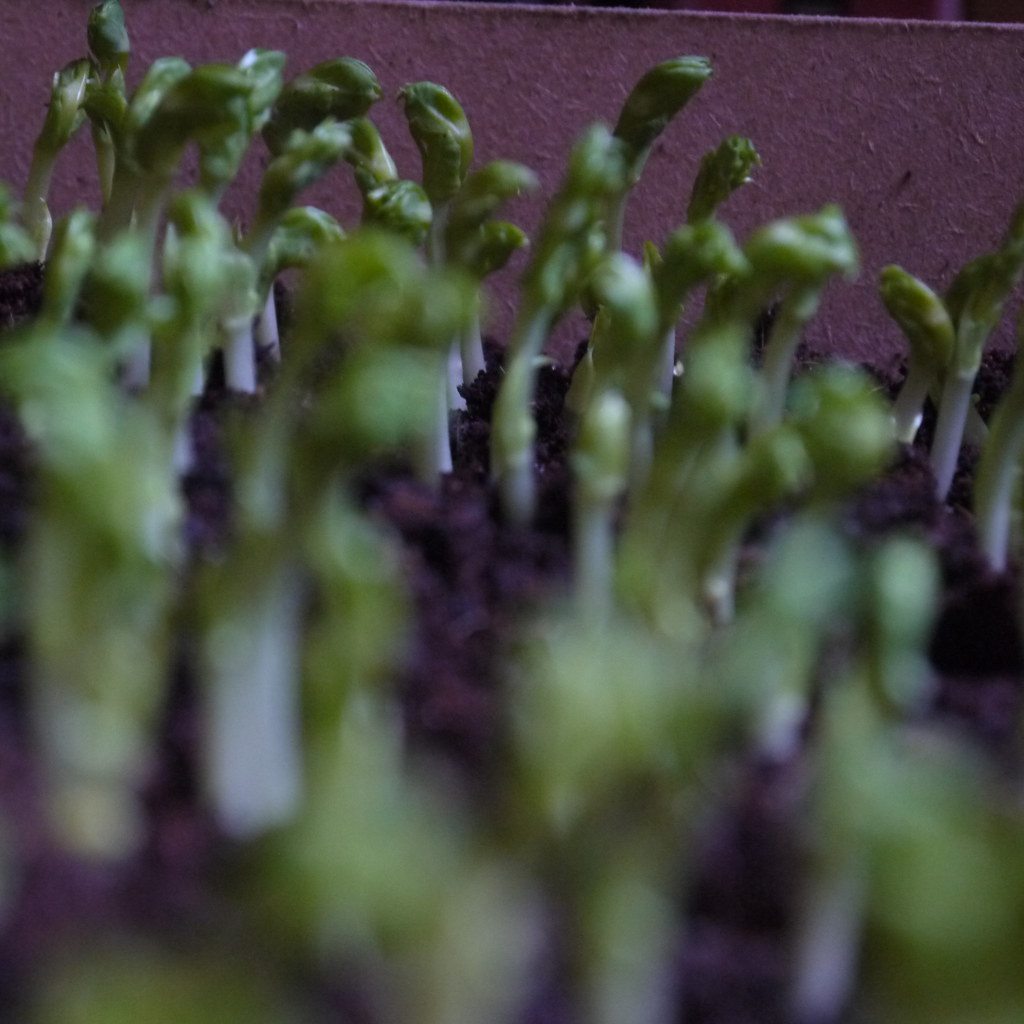
What Are Pea Shoots?
Pea shoots are young pea stems, leaves, and tendrils with a mild sweet-pea flavor. Learn how they differ from sprouts and microgreens, how to eat them, and more.
9 min read
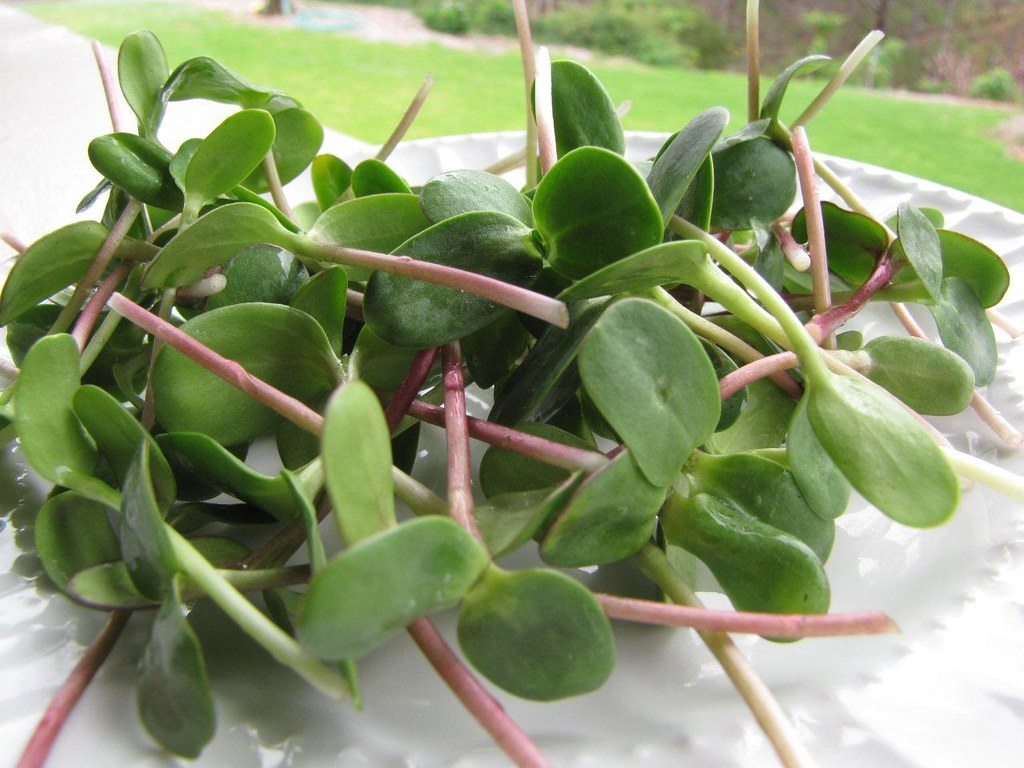
Sunflower Sprouts vs. Sunflower Microgreens: What’s the Difference?
Learn how sunflower sprouts and sunflower microgreens differ in growth stage, harvest method, texture, uses, and raw-food safety considerations.
13 min read
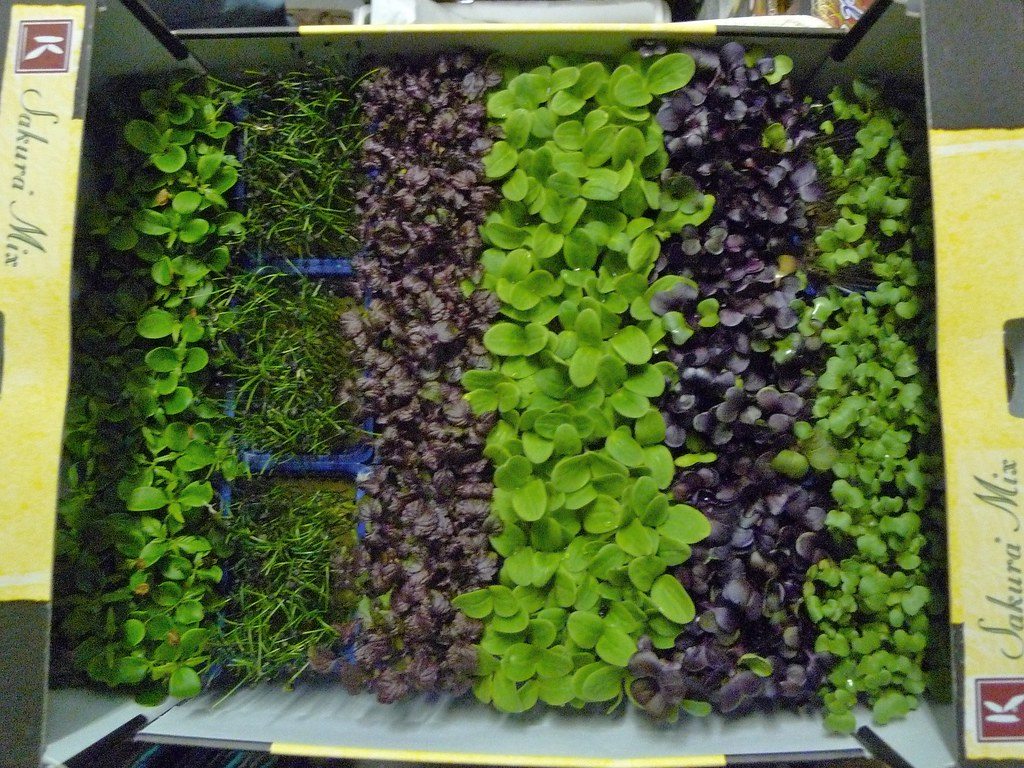
Best Microgreens for Beginners: Radish, Broccoli, Pea, or Sunflower?
Compare radish, broccoli, pea, and sunflower microgreens by seed prep, harvest time, flavor, and beginner-friendliness to choose your first tray.
10 min read
Stay in the loop
New guides, when they publish
An occasional email when a new guide goes live. No spam.
Your email is stored privately for future guide updates. No emails are being sent yet. Privacy policy