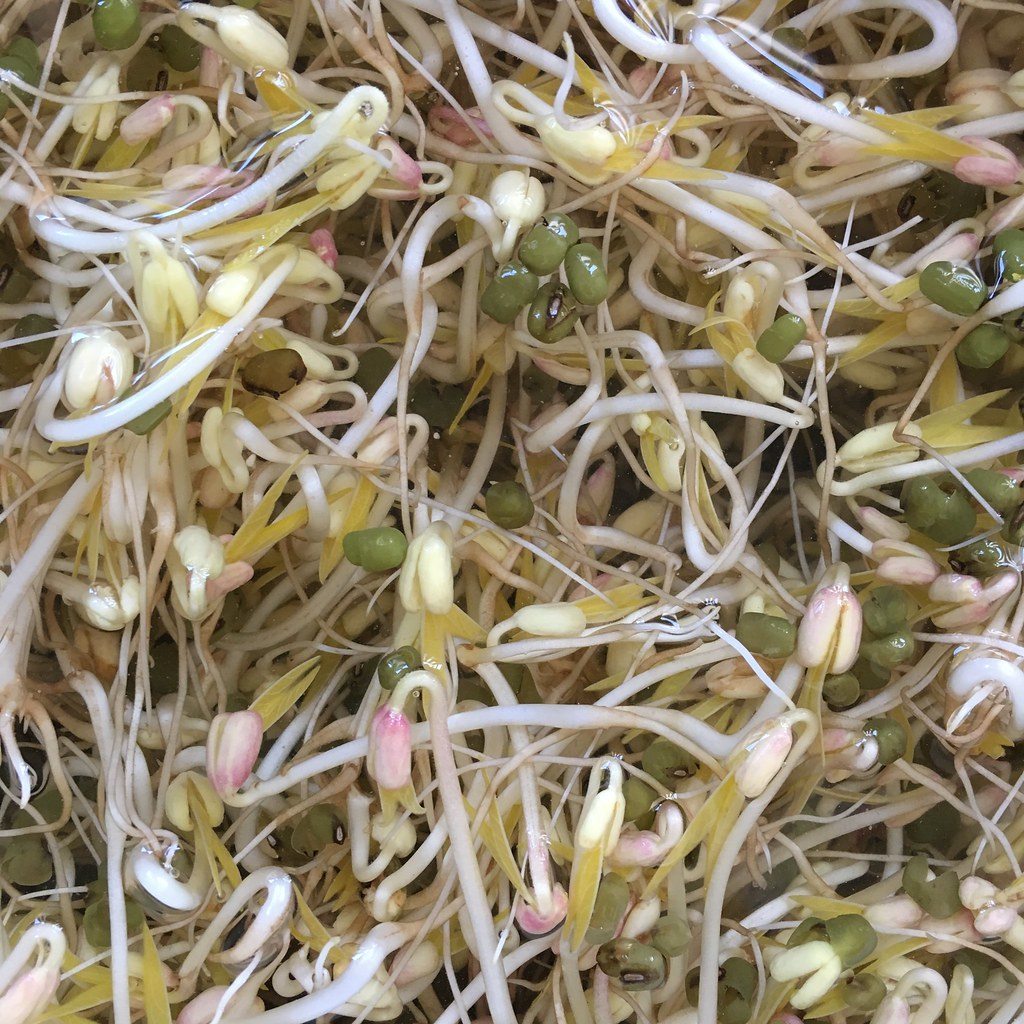
Yes, you can eat mung bean sprouts raw, but raw sprouts are not risk-free. Raw and lightly cooked sprouts are recognized higher-risk foods because the warm, moist conditions used for sprouting can support the growth of harmful bacteria, according to FDA produce-safety guidance and the CDC’s safer-food guidance.
Thoroughly cooking mung bean sprouts until they are steaming hot is the safer preparation. Children younger than 5, adults 65 and older, pregnant people, and people with weakened immune systems should avoid raw or lightly cooked sprouts. The FDA identifies these groups as being at higher risk of severe foodborne illness.
Raw vs. Cooked Mung Bean Sprouts: Quick Safety Summary
| Preparation | Food-safety guidance |
|---|---|
| Raw | Edible, but carries a recognized foodborne-illness risk |
| Lightly cooked | Not equivalent to thoroughly cooked sprouts; higher-risk people should avoid them |
| Thoroughly cooked | Safer option; cook until steaming hot |
This does not mean that every package of raw mung bean sprouts is contaminated. It means that raw sprouts have a known microbial risk that thorough cooking can reduce. The CDC lists raw or undercooked sprouts among riskier food choices for everyone, while thoroughly cooked sprouts are the safer option.
Are Raw Mung Bean Sprouts Safe?
“Edible” and “low-risk” are not the same thing.
Healthy adults are not categorically prohibited from eating every raw mung bean sprout. However, the CDC identifies raw or undercooked sprouts as a riskier food choice, and the FDA warns that raw or lightly cooked mung bean sprouts may contain bacteria that cause foodborne illness.
If you want to reduce the risk of foodborne illness, cook mung bean sprouts thoroughly rather than eating them raw. This is particularly important for people more vulnerable to severe illness.
There is no reliable universal percentage describing the chance that any particular package of raw mung bean sprouts is contaminated. Risk can vary with the seed, production conditions, handling, and the specific batch. The presence of risk does not mean that every package contains harmful bacteria.
Why Can Raw Mung Bean Sprouts Carry Bacteria?
Contamination May Begin With the Seed
Bacteria may be present on or inside a seed before sprouting begins. FDA guidance on seed for sprouting explains that contamination can enter through cracks or damaged areas of the seed coat and may be difficult to remove once it is present.
As the seed absorbs water and begins to grow, bacteria already present on or in the seed can multiply. Clean jars, trays, hands, and utensils are important, but careful handling cannot eliminate the risk if harmful microorganisms were already present in the seed.
This is one reason rinsing finished sprouts is not considered a substitute for thorough cooking.
Sprouting Conditions Can Support Bacterial Growth
Mung beans sprout in warm, moist, nutrient-rich conditions. Those conditions help the seed germinate, but they can also support the growth of harmful bacteria. The FDA’s Produce Safety Rule information discusses the food-safety considerations associated with produce and sprouts grown in these conditions.
The risk is therefore connected partly to the sprouting process itself. Growing sprouts carefully or using clean equipment can help with handling hygiene, but it does not establish that the finished sprouts are free of pathogens.
Pathogens Associated With Sprouts
Sprouts have been associated with pathogens including:
- Salmonella
- Listeria monocytogenes
- Pathogenic Escherichia coli, commonly called E. coli
These bacteria are not present in every batch of mung bean sprouts. Documented contamination events and FDA food-safety guidance for produce are why raw sprouts receive more caution than many other raw vegetables.
Who Should Avoid Raw or Lightly Cooked Mung Bean Sprouts?
The FDA advises people at higher risk of severe foodborne illness to avoid raw or lightly cooked sprouts, including mung bean sprouts.
| Higher-risk group | Guidance |
|---|---|
| Children younger than 5 | Avoid raw or lightly cooked mung bean sprouts |
| Adults 65 and older | Avoid raw or lightly cooked mung bean sprouts |
| Pregnant people | Avoid raw or lightly cooked mung bean sprouts |
| People with weakened immune systems | Avoid raw or lightly cooked mung bean sprouts |
Examples of circumstances associated with higher foodborne-illness risk include some cancers, HIV/AIDS, organ transplantation, and certain treatments or medical conditions. The FDA also lists diabetes among conditions associated with increased risk, but individual circumstances vary. Anyone unsure about their personal risk should ask a healthcare professional. See the FDA’s guidance for people at risk of foodborne illness.
Eating Out With Higher Risk
Raw sprouts may be added to sandwiches, salads, noodle dishes, and other ready-to-eat foods. If you are in a higher-risk group, ask restaurants and delis to leave raw sprouts off your food.
Choosing thoroughly cooked sprouts is a safer alternative. Food-service preparation does not guarantee that raw sprouts are free from harmful bacteria. The FDA’s pregnancy food-safety guidance also advises pregnant people to avoid raw sprouts.
Does Washing Make Mung Bean Sprouts Safe?
No. Rinsing does not reliably make raw mung bean sprouts safe.
Washing can remove dirt and some surface contamination, and it remains part of ordinary produce handling. However, rinsing cannot reliably eliminate bacteria already present in or on the seed. It also cannot ensure that pathogens have not multiplied during sprouting. The FDA explains that washing does not eliminate all bacteria from produce.
For that reason, do not treat a home rinse, soak, or other produce treatment as a substitute for thorough cooking.
Raw sprouts and their juices can also create cross-contamination concerns. Keep them away from foods that will not be cooked, and use clean preparation equipment. After handling raw sprouts, clean the relevant surfaces and utensils before preparing other food.
How Should You Cook Mung Bean Sprouts?
Cook mung bean sprouts thoroughly, ideally until they are steaming hot. The CDC identifies cooked sprouts as the safer choice, and FoodSafety.gov provides related produce-safety guidance.
Simply warming the sprouts, softening them slightly, or briefly adding them at the end of a dish should not automatically be treated as thorough cooking. Lightly cooked sprouts can still carry more risk than sprouts that have been cooked thoroughly.
Mung bean sprouts can be used in:
- Stir-fries
- Soups
- Noodle dishes
- Cooked fillings
- Other dishes in which the sprouts are heated thoroughly
Food-safety authorities generally emphasize thorough cooking or steaming-hot preparation rather than providing one universal cooking time and temperature for every sprout recipe. Cooking directions vary depending on the quantity of sprouts, the cooking method, and the rest of the dish.
Cooking reduces risk, but no food-handling practice should be described as an absolute guarantee that illness is impossible.
Are Homegrown, Organic, Fresh, or Frozen Sprouts Safer?
Are Homegrown Mung Bean Sprouts Safer?
Homegrown mung bean sprouts are not automatically safer than commercially produced sprouts.
Growing at home may give you more control over equipment and handling, but contaminated seed can still be the source of the problem. Clean equipment and careful rinsing do not eliminate contamination that was already present in the seed. The FDA’s guidance for pregnant people and Penn State Extension’s sprout-safety guidance discuss these limitations.
Regardless of where sprouts are grown, thorough cooking is the lower-risk preparation.
Are Organic Mung Bean Sprouts Safer?
Organic labeling describes a production or labeling attribute. It does not establish that raw mung bean sprouts are free of Salmonella, Listeria, or pathogenic E. coli.
The same raw-sprout safety guidance applies to organic sprouts unless an authoritative food-safety source says otherwise. Organic status should not be treated as a substitute for thorough cooking.
Are Fresh Mung Bean Sprouts Safer?
Freshness does not replace food-safety precautions. A product can look, taste, and smell normal while still containing harmful bacteria. The CDC explains that food contaminated with Salmonella may not look, smell, or taste different.
Sensory inspection is not a reliable substitute for following raw-sprout safety guidance.
Are Frozen Sprouted Beans Safer?
Frozen status alone should not be treated as proof that sprouted beans are safe. A 2025 investigation involving recalled Deep-brand frozen products reported 12 illnesses in 11 states, including four hospitalizations.
The overall investigation concerned Deep-brand frozen products. Of the six cases with available exposure information, four reported eating or likely eating sprouted beans, and two specifically reported eating frozen sprouted mat or moong beans. This was a specific investigation involving recalled products; it does not establish that every frozen or fresh mung bean sprout is unsafe.
Follow current recall notices and prepare sprouted products according to food-safety guidance.
Documented Outbreak and Sampling Context
Historical Mung Bean Sprout *Listeria* Investigation
In a 2014 investigation, the FDA found Listeria monocytogenes in mung bean sprouts and in sprout irrigation water. The CDC investigation identified five ill people; all were hospitalized, and two deaths were reported.
This was a specific historical outbreak, not evidence that every mung bean sprout product is contaminated. It does, however, demonstrate why raw mung bean sprouts are included in food-safety warnings.
FDA Sampling Data
In one FDA sampling assignment conducted from 2014 through 2016, Listeria monocytogenes was detected in 3 of 163 mung bean sprout samples. The FDA sampling report should be read with its stated limitations.
That figure should not be interpreted as the national contamination rate or as an individual consumer’s chance of becoming ill. The assignment was not designed to establish a nationally representative prevalence estimate for all mung bean sprouts.
2025 Recalled Frozen Sprouted-Bean Products
The 2025 investigation involved recalled frozen products from a specific brand and product line. It should not be generalized to every fresh or frozen mung bean sprout.
Reported outbreak counts also do not necessarily represent every illness. Some people do not seek medical care or receive diagnostic testing, so confirmed case counts may not capture every infection associated with an outbreak.
What If You Already Ate Raw Mung Bean Sprouts?
Eating raw mung bean sprouts once does not mean that illness will definitely occur. Monitor yourself for possible symptoms, but do not assume that symptoms are automatically caused by the sprouts.
Possible foodborne-illness symptoms include:
- Diarrhea
- Abdominal cramps
- Nausea
- Vomiting
- Fever
See the CDC’s food-poisoning symptom guidance and its Salmonella symptom guidance for additional information. Symptoms alone cannot establish which food caused an illness or identify the specific pathogen involved.
Seek medical advice for symptoms such as:
- Bloody diarrhea
- Diarrhea lasting more than three days
- Vomiting that continues or prevents you from keeping fluids down
- Fever above 102°F
- Signs of dehydration, such as very little urination, dry mouth or throat, dizziness when standing, or unusual weakness
People in higher-risk groups should contact a healthcare professional promptly if symptoms develop. Pregnant people, young children, older adults, and people with weakened immune systems may need individualized advice sooner.
Frequently Asked Questions
Research & Further Reading
Food-safety and public-health sources
- FDA — Selecting and Serving Produce Safely
Consumer guidance on raw and lightly cooked sprouts, pathogens, produce handling, and higher-risk groups. https://www.fda.gov/food/buy-store-serve-safe-food/selecting-and-serving-produce-safely
- FDA — People at Risk of Foodborne Illness
Guidance for people more vulnerable to severe foodborne illness. https://www.fda.gov/food/consumers/people-risk-foodborne-illness
- FDA — Fruits, Veggies and Juices: Food Safety for Moms-to-Be
Pregnancy-related guidance on raw sprouts, contaminated seed, and cooking. https://www.fda.gov/food/people-risk-foodborne-illness/fruits-veggies-and-juices-food-safety-moms-be
- FDA — Guidance for Industry: Reducing Microbial Food Safety Hazards in the Production of Seed for Sprouting
Guidance addressing microbial hazards associated with seed intended for sprouting. https://www.fda.gov/regulatory-information/search-fda-guidance-documents/guidance-industry-reducing-microbial-food-safety-hazards-production-seed-sprouting
- FDA — FSMA Final Rule on Produce Safety
Information about produce-safety controls, including considerations for sprouts grown in warm, moist conditions. https://www.fda.gov/food/food-safety-modernization-act-fsma/fsma-final-rule-produce-safety
- FDA — FY 2014–2016 Microbiological Sampling Assignment Summary Report: Sprouts
FDA sampling data and limitations relating to sprout contamination findings. https://www.fda.gov/files/food/published/FY-2014-%E2%80%93-2016-Microbiological-Sampling-Assignment-Summary-Report-Sprouts-PDF.pdf
- CDC — Safer Food Choices
Consumer guidance identifying raw or undercooked sprouts as riskier choices and cooked sprouts as safer. https://www.cdc.gov/food-safety/foods/safer-food-choices.html
- FoodSafety.gov — Fruit and Vegetable Safety
Federal food-safety information on produce, sprouts, and higher-risk groups. https://www.foodsafety.gov/blog/fruit-and-vegetable-safety
- CDC — Wholesome Soy Products, Inc. Sprouts and Investigation of Human Listeriosis Cases
Historical investigation involving mung bean sprouts and Listeria monocytogenes. https://archive.cdc.gov/www_cdc_gov/listeria/outbreaks/bean-sprouts-11-14/index.html
- CDC — Salmonella Outbreak Linked to Deep Brand Frozen Foods
Information about the 2025 outbreak involving recalled frozen sprouted-bean products. https://www.cdc.gov/salmonella/outbreaks/sproutedbeans-07-25/index.html
- FDA — Outbreak Investigation of Salmonella: Deep-Brand Frozen Products, July 2025
FDA information about the investigation, recalled products, reported illnesses, and hospitalizations. https://www.fda.gov/food/outbreaks-foodborne-illness/outbreak-investigation-salmonella-deep-brand-frozen-products-july-2025
- CDC — Symptoms of Food Poisoning
Symptoms and warning signs that may require medical attention. https://www.cdc.gov/food-safety/signs-symptoms/index.html
- CDC — Symptoms of Salmonella Infection
Information about symptoms, dehydration, and when to contact a healthcare professional. https://www.cdc.gov/salmonella/signs-symptoms/index.html
- CDC — How Salmonella Spreads
Information explaining that contaminated food may look, taste, and smell normal. https://www.cdc.gov/salmonella/spread/index.html
- Penn State Extension — What You Should Know About Sprouts
University food-safety background on seed contamination, homegrown sprouts, and vulnerable populations. https://extension.psu.edu/what-you-should-know-about-sprouts
Company source
- Andi’s Way — Organic Mung Beans for Sprouting
Company and product information only. This is not scientific or food-safety evidence and does not establish that raw sprouts made from the product are pathogen-free. https://andisway.com/products/organic-mung-beans
Related guides
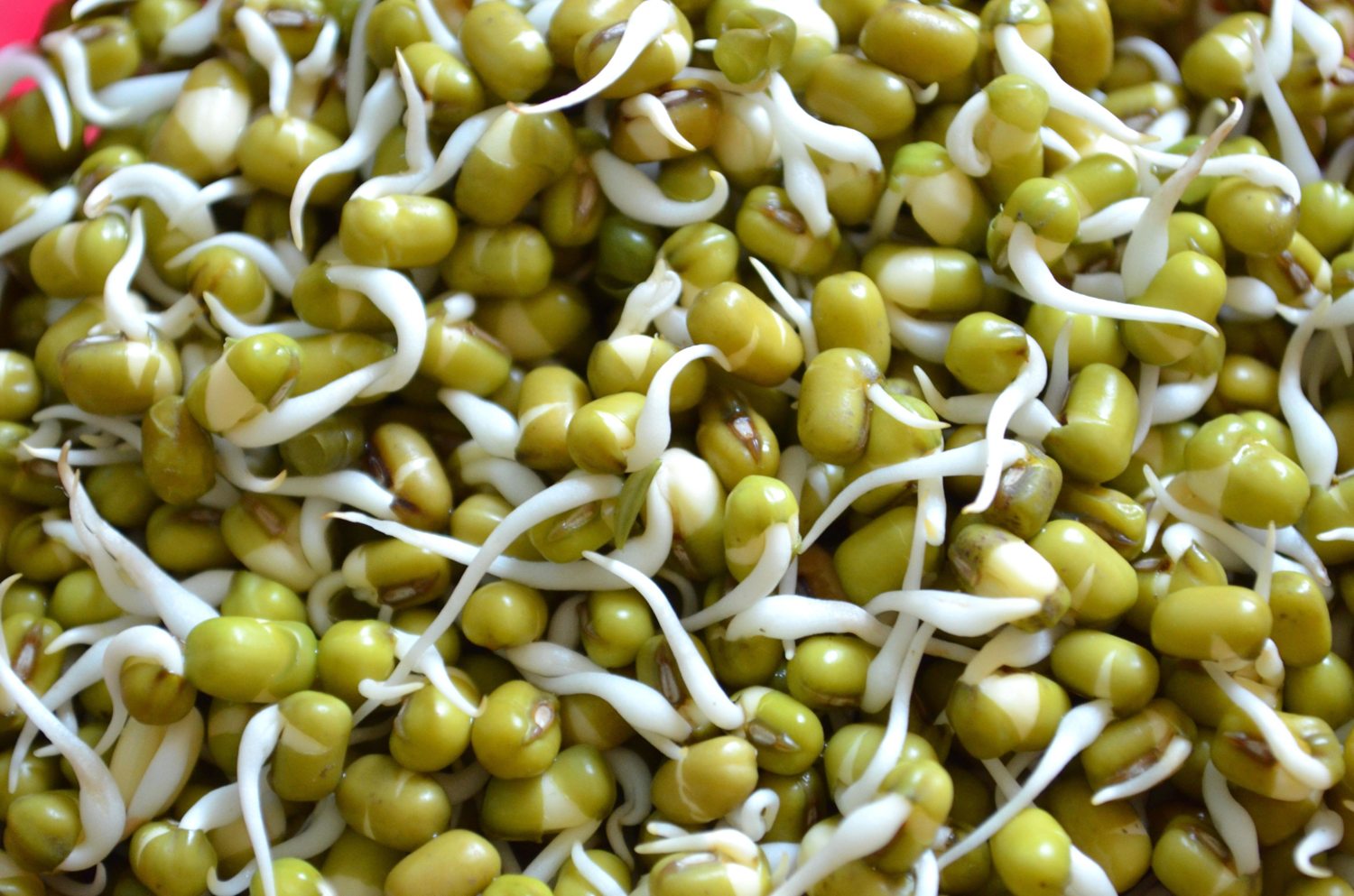
Why Do Mung Bean Sprouts Smell? Fresh vs. Spoiled Signs
Learn why mung bean sprouts may smell, how to distinguish a mild odor from spoilage, and when slime, darkening, decay, or mustiness mean discard them.
9 min read
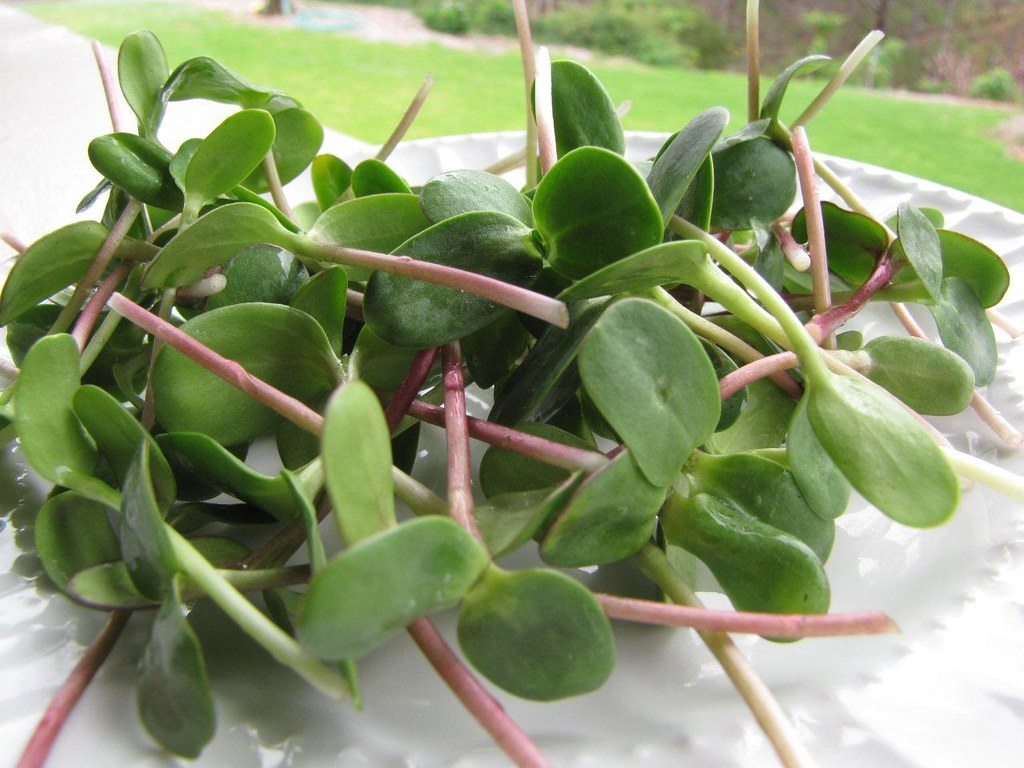
Sunflower Sprouts vs. Sunflower Microgreens: What’s the Difference?
Learn how sunflower sprouts and sunflower microgreens differ in growth stage, harvest method, texture, uses, and raw-food safety considerations.
13 min read
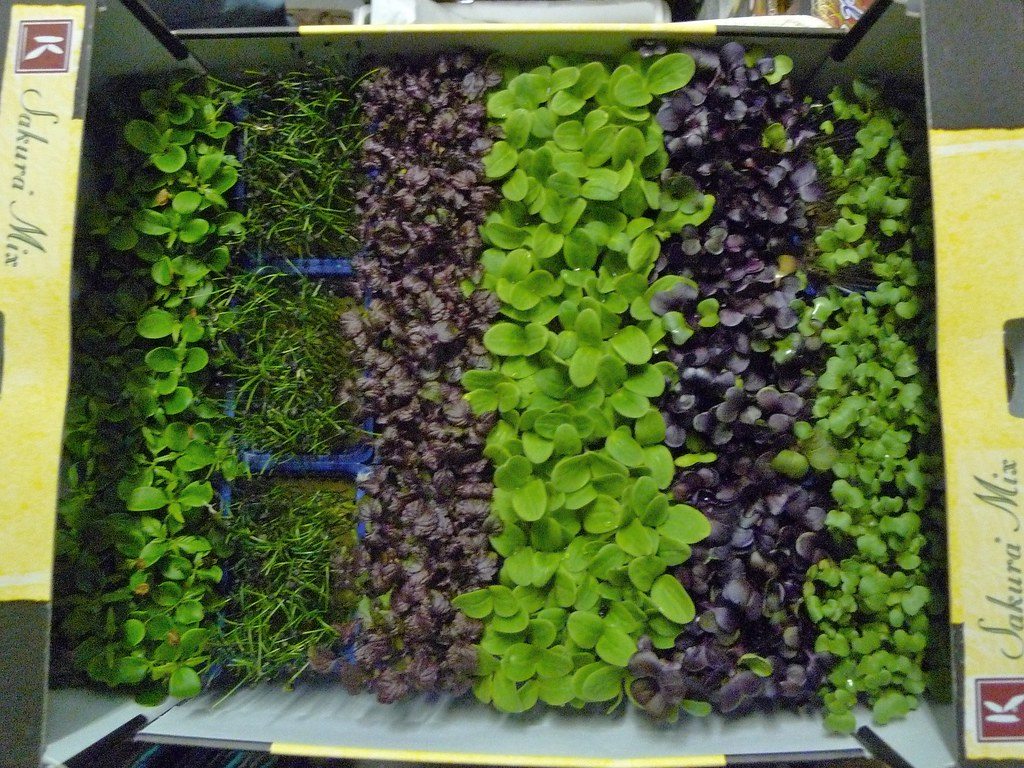
Best Microgreens for Beginners: Radish, Broccoli, Pea, or Sunflower?
Compare radish, broccoli, pea, and sunflower microgreens by seed prep, harvest time, flavor, and beginner-friendliness to choose your first tray.
10 min read
Stay in the loop
New guides, when they publish
An occasional email when a new guide goes live. No spam.
Your email is stored privately for future guide updates. No emails are being sent yet. Privacy policy