Microgreens · Broccoli Microgreens
Broccoli Sprouts vs. Broccoli Microgreens: What’s the Difference?
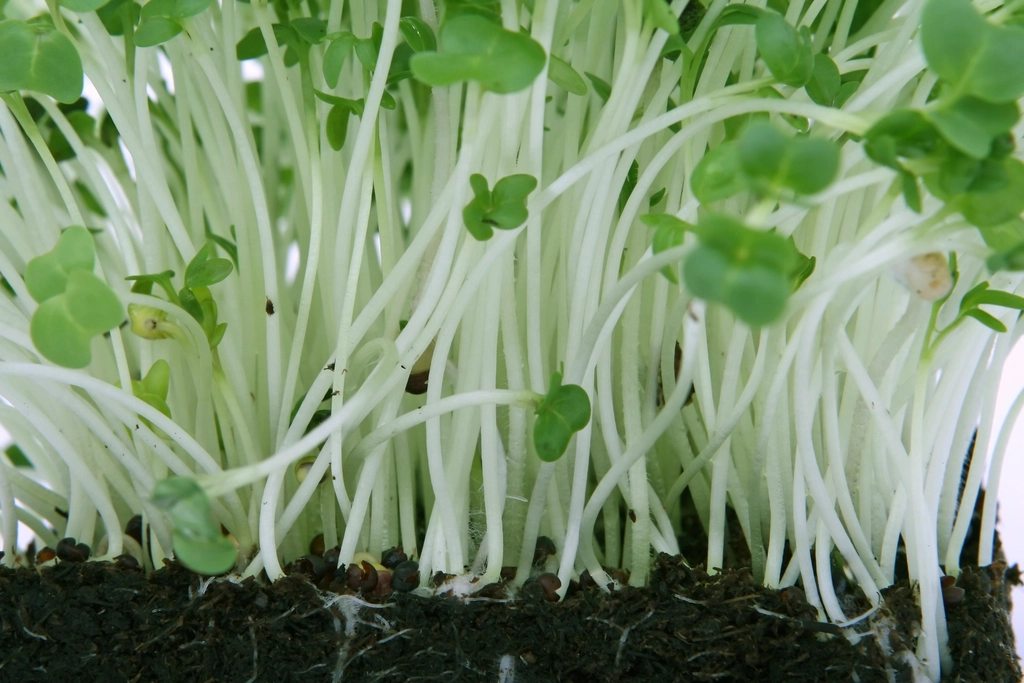
Broccoli sprouts and broccoli microgreens may both begin with broccoli seed, but they are different foods in practical terms. They are grown, harvested, and eaten at different stages of the young plant. Virginia Cooperative Extension
Broccoli sprouts are harvested shortly after germination and are typically eaten whole, including the roots, stems, seed leaves, and sometimes seed-hull remnants. Broccoli microgreens are grown longer—usually with light after germination—and are generally harvested by cutting the stems above the growing medium.
Neither is automatically better. The practical choice depends on how you want to grow or use them, your texture preferences, and food-safety considerations. Broccoli sprouts have a larger history of human research involving glucoraphanin and sulforaphane-related preparations. Human research on broccoli microgreens is much more limited.
Broccoli Sprouts vs. Broccoli Microgreens at a Glance
| Feature | Broccoli sprouts | Broccoli microgreens |
|---|---|---|
| Plant stage | Newly germinated seed | Later seedling stage |
| Typical harvest timing | Often about 3–5 days | Often about 8–13 days from sowing |
| Light | Often germinated with little or no light | Generally grown with light after germination |
| Typical setup | Seed germination with rinsing or irrigation | Tray or other structured growing system, with a growing medium or hydroponic setup |
| Harvest method | Usually eaten whole | Generally cut above the growing medium |
| Roots | Typically eaten | Usually left behind |
| True leaves | Usually absent | Forming, emerging, or present depending on harvest timing |
| Human research history | More research involving sulforaphane-related preparations | Limited early human bioavailability research |
| Food-safety context | Receives specific FDA attention when eaten raw | Still requires careful production and handling; not automatically risk-free |
Harvest timing, plant size, and appearance vary by broccoli variety, temperature, light, and growing conditions. The timing ranges above are practical estimates rather than fixed rules. Virginia Cooperative Extension
What Are Broccoli Sprouts?
Growth Stage and Appearance
Broccoli sprouts are very young broccoli plants harvested soon after the seed germinates. At this stage, a sprout commonly has a slender stem, a root, and small seed leaves.
Those first seed leaves are called cotyledons. They are different from true leaves, which develop later as the plant begins to take on more of the recognizable form of a broccoli plant. Broccoli sprouts are typically harvested before true leaves appear. Virginia Cooperative Extension
How Broccoli Sprouts Are Typically Grown
Sprouts are commonly produced by germinating seeds with regular rinsing or irrigation. The process relies on warm, moist conditions that help seeds germinate quickly.
A jar is a familiar home-sprouting setup, but it is not the only possible system. The defining feature is that sprout production centers on germinating the seed and eating the very young plant soon afterward, rather than growing it into a leafy cut crop.
What Parts of Broccoli Sprouts Are Eaten?
Broccoli sprouts are typically eaten whole. That may include:
- Roots
- Young stems
- Cotyledons
- Seed-hull remnants that remain after rinsing
The whole-plant format is one of the clearest visual and practical differences between sprouts and microgreens.
What Are Broccoli Microgreens?
Growth Stage and Appearance
Broccoli microgreens are grown longer than broccoli sprouts. They are generally harvested after the cotyledons have developed and around the stage when the first true leaves are forming, emerging, or present.
Exact harvest timing varies by grower, cultivar, and intended use. But broccoli microgreens are consistently a later-stage crop than broccoli sprouts. Virginia Cooperative Extension
How Broccoli Microgreens Are Typically Grown
Microgreens are commonly grown in trays or another structured growing system. They may be raised in a growing medium, such as a soilless mix, or in a hydroponic setup.
After germination, microgreens are generally exposed to light so they can develop green leaves and a sturdier seedling structure. Unlike sprouts, they are usually grown as a cut-green crop rather than eaten as a whole rooted seedling. University of Maryland Extension
How Broccoli Microgreens Are Harvested
Broccoli microgreens are generally harvested by cutting the stems above the growing medium. The roots are usually left behind in the tray.
The harvested portion is therefore mostly stems and leaves, rather than the entire seedling. This makes microgreens more similar to small salad greens than to jar-grown sprouts. University of Maryland Extension
The Biggest Practical Differences Between Broccoli Sprouts and Microgreens
Time to Harvest
Broccoli sprouts are usually ready sooner. A common rough timeline is:
- Broccoli sprouts: about 3–5 days
- Broccoli microgreens: about 8–13 days from sowing
These are general estimates, not guarantees. Temperature, seed variety, light, growing system, and desired harvest size can all change the timeline. Virginia Cooperative Extension
Roots, Seed Hulls, Stems, and Leaves
With broccoli sprouts, you generally eat the entire young plant, including the root. Some seed hulls may remain after rinsing.
With broccoli microgreens, growers usually cut the stems above the growing medium. The roots remain in the tray, and the edible crop is primarily the stem and leafy portion.
This changes both the appearance and the eating experience: sprouts are a whole, delicate seedling, while microgreens are a small cut green.
Light and Growing Setup
Sprouts and microgreens usually differ in how they are produced:
- Sprouts are commonly germinated with rinsing or irrigation and may receive little or no light for much of their growth.
- Microgreens are commonly grown in trays and receive light after germination.
These are typical production patterns rather than absolute rules. Some sprouts may receive brief light exposure before harvest, and microgreens can be grown in several types of systems.
Texture, Flavor, and Meal Use
There is no universal rule that one will always taste stronger or more “broccoli-like” than the other. Flavor can vary with the seed variety, growing conditions, and harvest timing.
In practical terms, you may prefer:
- Broccoli sprouts if you want a very young, whole edible seedling for sandwiches, wraps, salads, or smoothies.
- Broccoli microgreens if you want a leafy cut green for salads, grain bowls, sandwiches, smoothies, and garnishes.
Choose based on the texture, preparation style, and availability that work best for you rather than assuming one is inherently superior.
Do Broccoli Sprouts or Microgreens Have More Sulforaphane?
There is no reliable universal winner.
Both broccoli sprouts and broccoli microgreens can contain glucosinolates, including glucoraphanin. But claims about “sulforaphane content” can be misleading unless they specify what was measured and how the food was grown, handled, prepared, and tested.
Start With the Right Terms: Glucoraphanin, Myrosinase, and Sulforaphane
Glucoraphanin is a naturally occurring glucosinolate in broccoli and related Brassica vegetables. It is not sulforaphane itself.
When broccoli tissue is chopped, chewed, blended, or otherwise damaged, an enzyme called myrosinase can help convert glucoraphanin into sulforaphane and other breakdown products. The extent of that conversion and the amount ultimately absorbed can vary. Broccoli sprouts and microgreens review Human bioavailability research
Research may measure:
- Glucoraphanin in the plant
- Free sulforaphane
- Potential sulforaphane yield
- Sulforaphane-related metabolites measured in urine after consumption
These measures are related, but they are not interchangeable. A single nutrient figure cannot fully predict what a person will absorb from every serving.
What Research Shows About Broccoli Sprouts
Broccoli sprouts have been studied more extensively in humans than broccoli microgreens, particularly in research involving glucoraphanin, sulforaphane-related compounds, metabolism, bioavailability, and tolerance.
However, the study material matters. Human research on broccoli sprouts may involve fresh sprouts, beverages, powders, extracts, supplements, or specially prepared glucoraphanin-rich products. Findings from these different preparations should not be converted into a guaranteed effect from a typical serving of fresh sprouts. Clinical-trial review Fresh sprouts versus supplement study
What Research Shows About Broccoli Microgreens
Human evidence on broccoli microgreens is much smaller. In a 2023 single-serving feeding study involving 11 participants, fresh broccoli microgreens provided glucoraphanin and were associated with urinary sulforaphane-related metabolites. Bouranis et al., Foods (2023)
This is useful early evidence that broccoli microgreens may yield bioavailable sulforaphane-related metabolites after consumption. But the study examined short-term bioavailability-related measures, not clinical disease outcomes.
Why There Is No Universal Winner
Broccoli sprouts have been studied more extensively in humans. Limited early research suggests broccoli microgreens may yield bioavailable sulforaphane-related metabolites after consumption, but direct comparisons are lacking.
The available broccoli microgreen feeding study did not directly compare fresh broccoli microgreens with fresh broccoli sprouts. It also did not establish that the foods have equivalent health effects. Bouranis et al., Foods (2023)
Glucoraphanin content and sulforaphane formation can vary with:
- Broccoli cultivar and seed lot
- Growing conditions
- Harvest stage
- Light exposure
- Storage conditions
- Handling and preparation
- Myrosinase activity
Current evidence does not support calling either broccoli sprouts or broccoli microgreens the universal winner for sulforaphane or overall nutrition.
Food Safety: Are Broccoli Sprouts and Microgreens Different?
Why Raw Sprouts Receive Special Food-Safety Attention
Raw sprouts receive specific FDA food-safety attention because the warm, moist conditions used for sprouting can also allow harmful bacteria to grow if contamination is present.
This does not mean all raw sprouts are unsafe. It means sprouts are a recognized food-safety category with risks that deserve particular care. U.S. produce-safety rules include requirements specific to covered sprout operations, including testing of spent sprout irrigation water or in-process sprouts for certain pathogens. FDA: Produce Safety Rule
Seed treatments and careful sanitation can reduce risk, but they do not guarantee pathogen-free sprouts. FDA notes that pathogens can grow during sprouting if they are present on or in seed. FDA: Reducing Microbial Food Safety Hazards in Seed for Sprouting
Why Microgreens Still Need Careful Handling
Microgreens are not automatically risk-free simply because they are grown in trays or harvested above the growing medium.
Like other raw produce, microgreens can become contaminated through multiple routes, including seed, water, growing medium, equipment, the growing environment, worker handling, harvest and packaging practices, and post-harvest handling. The food-safety research base for microgreens is smaller than the one for sprouts, but it does not support treating microgreens as inherently safe in every situation. Microgreens food-safety review
Treat fresh microgreens as perishable raw produce and handle them carefully. Microgreen nutrition, food safety, and shelf-life review
Higher-Risk Groups and Raw Sprouts
FDA identifies pregnant people, young children, older adults, and people with weakened immune systems as groups at higher risk from foodborne illness. CDC also advises people with weakened immune systems to avoid raw or undercooked sprouts. FDA: People at Risk of Foodborne Illness CDC: Safer Food Choices for People With Weakened Immune Systems
This specific raw-sprout advice should not automatically be extended to all raw microgreens. Still, anyone with elevated food-safety concerns may wish to discuss appropriate food choices with a qualified healthcare professional.
A Note on Seed Labels and Intended Use
Do not assume that broccoli seed sold for microgreen production is also intended for producing raw sprouts.
Seed for sprouting is a distinct food-safety context. A crop name, organic claim, or general seed label alone does not provide the same information as a supplier explicitly stating that a seed product is intended for sprouting. When buying seed for raw sprouts, look for clear supplier information about intended use and food-safety practices. FDA: Guidance on Seeds Used for Sprouting
Which Should You Choose?
Choose Broccoli Sprouts If You Want:
- A very young, whole edible seedling
- Roots, stems, and seed leaves eaten together
- A faster-growing form
- A sprout format for sandwiches, wraps, salads, or smoothies
If you choose raw sprouts, account for their recognized food-safety considerations—especially if you are in a higher-risk group.
Choose Broccoli Microgreens If You Want:
- A later-stage, leafy cut green
- A tray-grown crop usually harvested above the growing medium
- A format similar to small salad greens
- A practical addition to salads, bowls, sandwiches, smoothies, and garnishes
Choose Based on Practical Fit, Not Health Promises
Avoid choosing between sprouts and microgreens based on claims that one is guaranteed to have more sulforaphane, deliver more nutrients, or produce a specific health outcome.
Instead, consider:
- Whether you want whole sprouts or cut greens
- Your preferred texture and flavor
- How you plan to use the crop
- Whether you want a faster or longer growing cycle
- Food-safety needs
- The quality and transparency of the supplier or grower
Frequently Asked Questions
Research & Further Reading
Growth Stages and Production
Penn State Extension. “The ABCs of Microgreens.” https://extension.psu.edu/the-abcs-of-microgreens
Virginia Cooperative Extension. “Introduction to Microgreen Production in Indoor Vertical Farms and Greenhouses.” https://www.pubs.ext.vt.edu/SPES/spes-756.html
University of Maryland Extension. “Growing Microgreens and Baby Greens Indoors.” https://extension.umd.edu/resource/growing-microgreens-and-baby-greens-indoors
Broccoli Sprouts, Microgreens, and Sulforaphane-Related Research
Bouranis, J. A., et al. “Sulforaphane Bioavailability in Healthy Subjects Fed a Single Serving of Fresh Broccoli Microgreens.” Foods (2023). https://pmc.ncbi.nlm.nih.gov/articles/PMC10606698/
“Bioactive Compounds and Bioactivities of Brassica oleracea L. var. italica Sprouts and Microgreens: An Updated Overview from a Nutraceutical Perspective.” https://pmc.ncbi.nlm.nih.gov/articles/PMC7465980/
“Safety, Tolerance, and Metabolism of Broccoli Sprout Glucosinolates and Isothiocyanates: A Clinical Phase I Study.” https://pubmed.ncbi.nlm.nih.gov/16965241/
“The Challenges of Designing and Implementing Clinical Trials With Broccoli Sprouts … and Turning Evidence Into Public Health Action.” https://pubmed.ncbi.nlm.nih.gov/33996874/
“Sulforaphane Bioavailability from Glucoraphanin-Rich Broccoli: Control by Active Endogenous Myrosinase.” https://pmc.ncbi.nlm.nih.gov/articles/PMC4629881/
“Comparison of Isothiocyanate Metabolite Levels and Histone Deacetylase Activity in Human Subjects Consuming Broccoli Sprouts or Broccoli Supplement.” https://pubmed.ncbi.nlm.nih.gov/21928849/
Food Safety
U.S. Food and Drug Administration. “Guidance for Industry: Reducing Microbial Food Safety Hazards in the Production of Seed for Sprouting.” https://www.fda.gov/regulatory-information/search-fda-guidance-documents/guidance-industry-reducing-microbial-food-safety-hazards-production-seed-sprouting
U.S. Food and Drug Administration. “FDA Issues Final Guidance for Seeds Used for Sprouting.” https://www.fda.gov/food/hfp-constituent-updates/fda-issues-final-guidance-seeds-used-sprouting
U.S. Food and Drug Administration. “FSMA Final Rule on Produce Safety.” https://www.fda.gov/food/food-safety-modernization-act-fsma/fsma-final-rule-produce-safety
U.S. Food and Drug Administration. “People at Risk of Foodborne Illness.” https://www.fda.gov/food/consumers/people-risk-foodborne-illness
Centers for Disease Control and Prevention. “Safer Food Choices for People With Weakened Immune Systems.” https://www.cdc.gov/food-safety/foods/weakened-immune-systems.html
“Microgreens—A Review of Food Safety Considerations Along the Farm to Fork Continuum.” https://pubmed.ncbi.nlm.nih.gov/30308448/
“Microgreen Nutrition, Food Safety, and Shelf Life: A Review.” https://pubmed.ncbi.nlm.nih.gov/32144769/
Andi’s Way Product Information — not scientific evidence
Andi’s Way. “Organic Broccoli Microgreen Seeds.” https://andisway.com/products/broccoli-microgreen-seeds
Andi’s Way. “Fresh Organic Microgreens.” https://andisway.com/collections/microgreens
Related guides
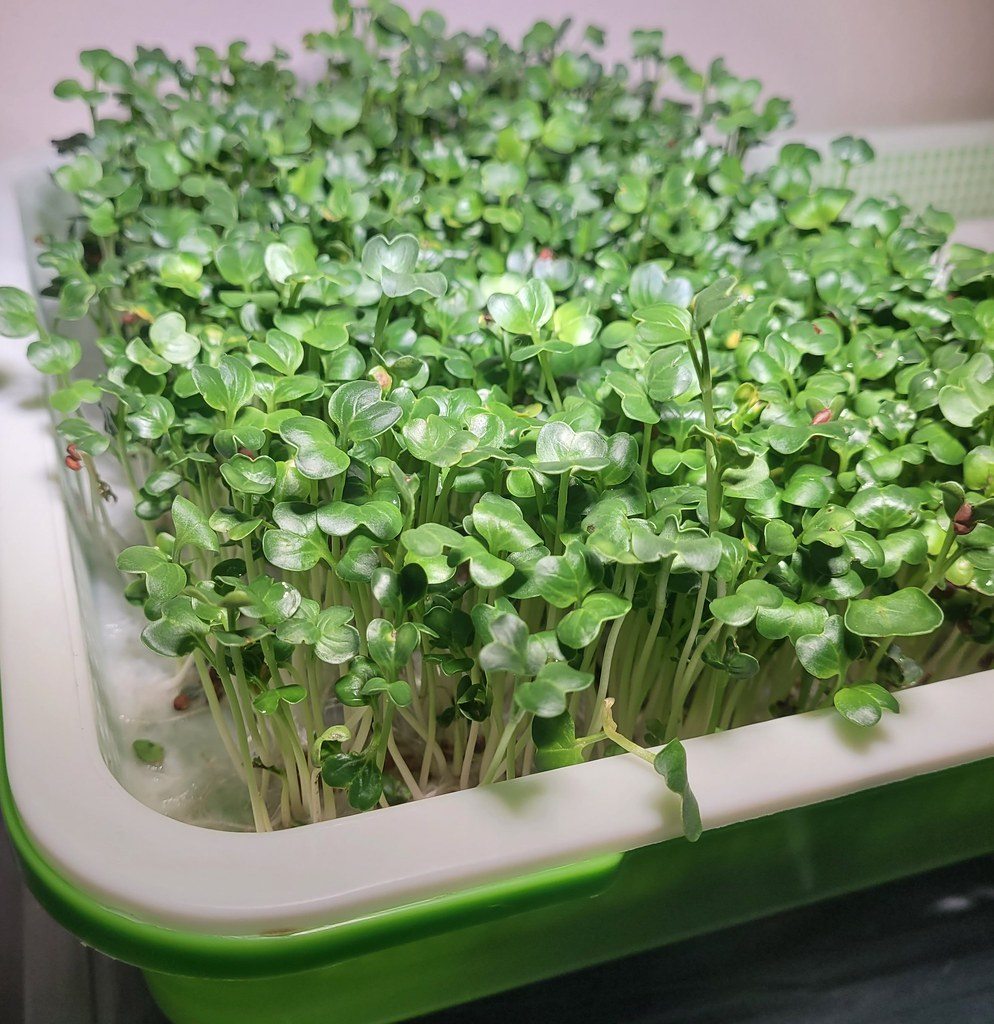
What Are Broccoli Microgreens?
Learn what broccoli microgreens are, how they differ from broccoli sprouts, what they taste like, how to use them, and what research says about their nutrition.
10 min read
Broccoli Microgreens and Sulforaphane: What Human Research Actually Shows
Do broccoli microgreens deliver sulforaphane? Review the direct human study, related sprout trials, key limitations, and what remains unknown.
13 min read
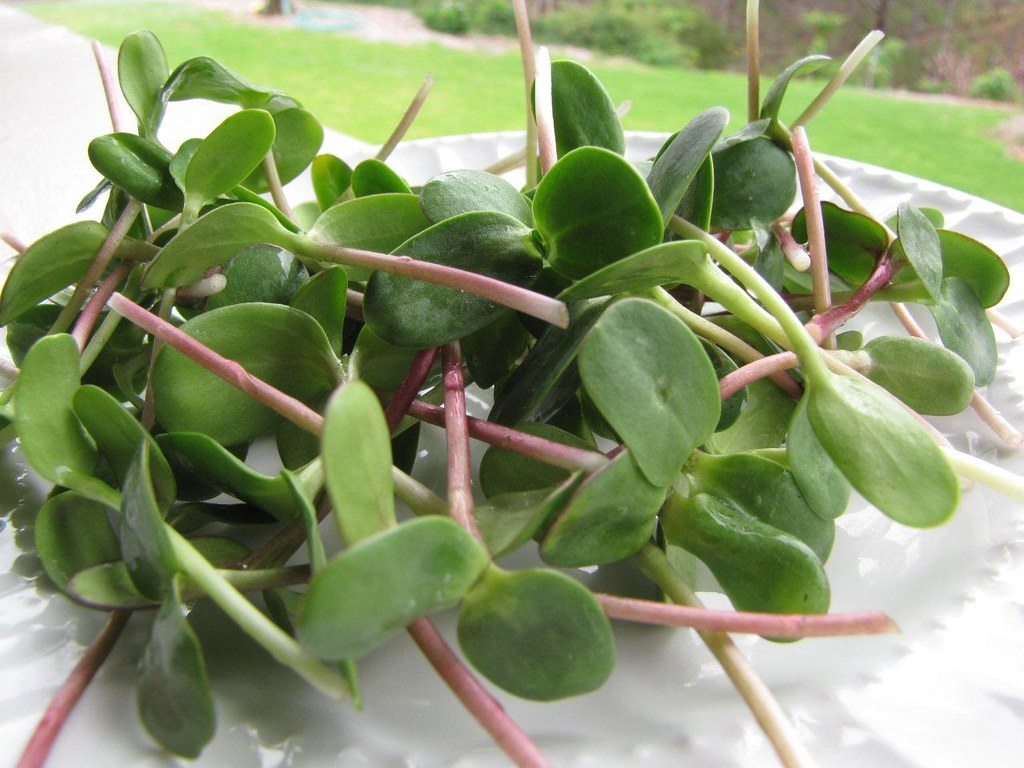
Sunflower Sprouts vs. Sunflower Microgreens: What’s the Difference?
Learn how sunflower sprouts and sunflower microgreens differ in growth stage, harvest method, texture, uses, and raw-food safety considerations.
13 min read
Stay in the loop
New guides, when they publish
An occasional email when a new guide goes live. No spam.
Your email is stored privately for future guide updates. No emails are being sent yet. Privacy policy