Microgreens · Broccoli Microgreens
Broccoli Microgreens and Sulforaphane: What Human Research Actually Shows
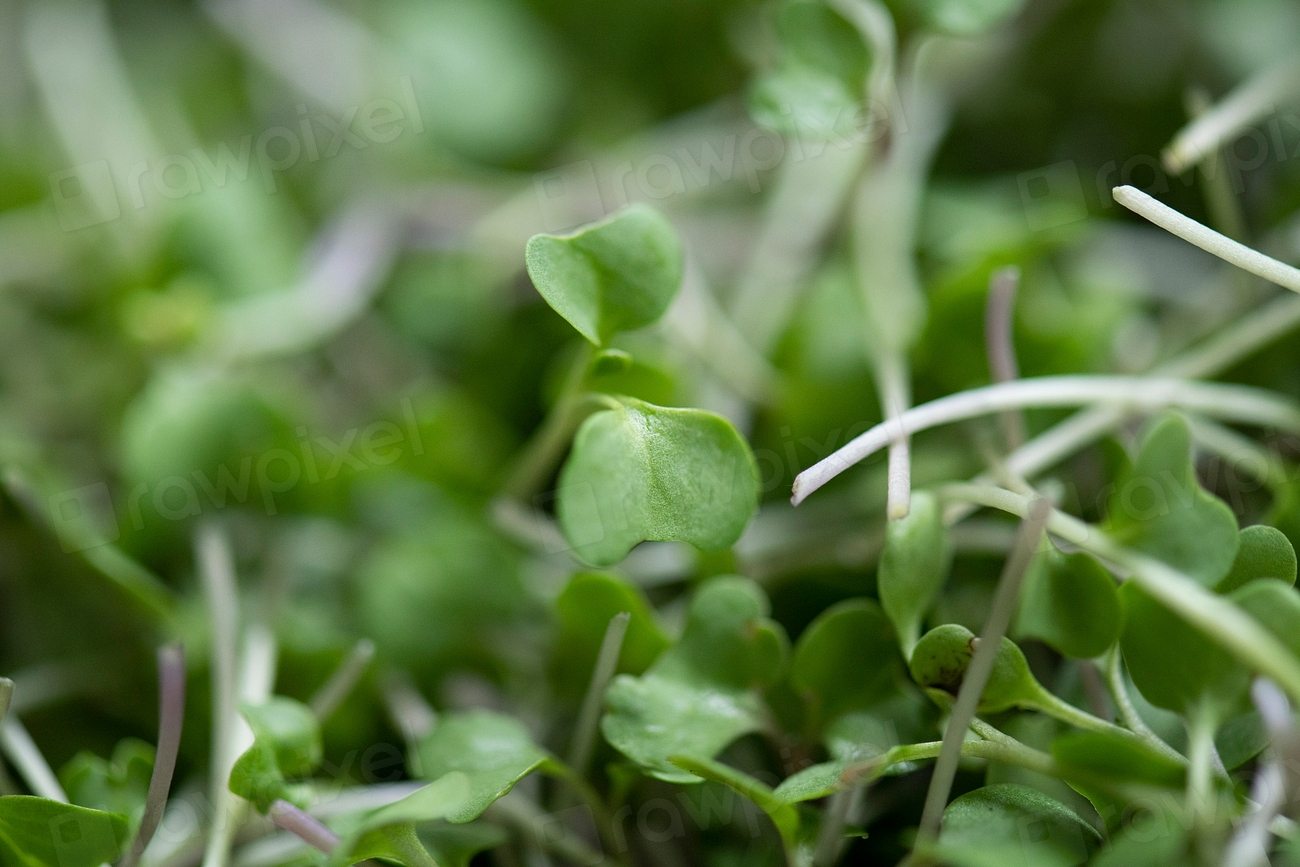
Fresh broccoli microgreens can provide glucoraphanin, a compound that can contribute to sulforaphane exposure after the greens are eaten. In a small human feeding study, participants who ate one serving of fresh broccoli microgreens had measurable sulforaphane-related metabolites in their urine. That demonstrates short-term bioavailability—not that broccoli microgreens prevent, treat, or improve any disease. Read the direct human study
Broccoli sprouts, sprout beverages, extracts, and sulforaphane supplements have been studied more often in humans. But they are different plant stages and interventions, often with different doses and preparation methods. Their findings are useful context, not direct proof of the same effects from fresh broccoli microgreens. Direct broccoli microgreen feeding study
A practical way to interpret this research is to separate four levels of evidence:
- Composition: What compounds are measured in the plant?
- Bioavailability: Do related compounds or metabolites appear in the body after it is eaten?
- Biomarkers: Does an intervention change a laboratory measurement?
- Clinical outcomes: Does it improve symptoms, disease progression, diagnoses, or other meaningful health outcomes?
In the published research identified for this review, direct evidence on fresh broccoli microgreens is primarily in the bioavailability category.
The Short Answer: Bioavailability Is Shown; Health Outcomes Are Not
| Question | Current evidence verdict |
|---|---|
| Can fresh broccoli microgreens provide sulforaphane-related exposure in people? | Supported by one small, short-term human feeding study. |
| Have broccoli microgreens been shown to prevent or treat disease? | Not established in published direct human research identified for this review. |
| Is there an established clinical dose of fresh broccoli microgreens? | No established dose was identified in the published research reviewed. |
| Are broccoli microgreens equivalent to broccoli sprouts, extracts, or supplements? | Not established; they should not be treated as interchangeable. Their dose, preparation, myrosinase activity, conversion, and bioavailability can differ. |
| Does one serving meaningfully change the gut microbiome? | Not shown in the brief direct study. |
Source for the direct microgreen evidence, including the 11-participant, one-serving protocol and short-term urine-metabolite findings: Sulforaphane Bioavailability in Healthy Subjects Fed a Single Serving of Fresh Broccoli Microgreens.
The direct evidence is meaningful but narrow. It shows that a tested serving of fresh broccoli microgreens produced measurable sulforaphane-related metabolites in healthy adults. It does not establish a therapeutic intake, disease-prevention effect, or equivalence with a standardized broccoli sprout beverage or supplement.
Glucoraphanin, Myrosinase, and Sulforaphane: The Important Distinction
Broccoli Microgreens Primarily Provide Glucoraphanin
Broccoli microgreens can contain glucosinolates, including glucoraphanin. Glucoraphanin is a precursor compound, not the same thing as sulforaphane.
That distinction matters. A laboratory measurement showing glucoraphanin in a plant does not reveal exactly how much sulforaphane will form, be absorbed, or be metabolized after a person eats it.
In the direct microgreen study, researchers measured glucoraphanin in the tested microgreens, then measured sulforaphane and related metabolites in participants’ urine after consumption. This connects the food with short-term human exposure, which is more informative than composition data alone. Read the direct study
Sulforaphane Formation Is Variable
Conversion of glucoraphanin to sulforaphane is influenced partly by myrosinase, an enzyme involved when plant tissue is chewed, chopped, blended, or otherwise disrupted.
Human bioavailability research involving glucoraphanin-rich broccoli has found that active plant myrosinase can influence sulforaphane availability. This helps explain why fresh foods, processed foods, beverages, extracts, and supplements should not be assumed to produce identical exposure. Sulforaphane Bioavailability from Glucoraphanin-Rich Broccoli: Control by Active Endogenous Myrosinase
Even with the same food, exposure may differ between people. In the direct broccoli microgreen study, participants varied in the amount of sulforaphane-related metabolites excreted. The small study was not designed to determine exactly why those differences occurred. Direct broccoli microgreen feeding study
Why a Lab Measurement Is Not a Clinical Outcome
Sulforaphane evidence is often discussed as though all findings mean the same thing. They do not.
Glucoraphanin measured in a plant → Sulforaphane-related metabolites detected after eating it → A biomarker changes in a study → A meaningful clinical health outcome improves
Each step answers a different question.
A glucoraphanin measurement indicates that a food contains a relevant precursor. Urinary metabolites indicate that the body was exposed to related compounds. A biomarker change can be useful for understanding biology. None of these findings alone proves that a food prevents or treats disease.
What the Direct Human Study of Broccoli Microgreens Found
Study Design and Participants
The most directly relevant published study was released in 2023. It included 11 healthy adults who ate one 16-gram serving of fresh, 10-day-old broccoli microgreens.
The researchers reported glucoraphanin values of approximately 13 micromoles per gram for the tested microgreens at their study testing points. They described the serving as containing about 100 micromoles of sulforaphane equivalent.
That “equivalent” figure describes the analyzed study material and its potential sulforaphane-related content. It should not be interpreted as a universal amount of preformed sulforaphane, an amount necessarily absorbed by every participant, or a therapeutic dose.
The study was short and designed to assess bioavailability and microbiome-related measurements—not disease prevention, symptom relief, or long-term clinical outcomes. Sulforaphane Bioavailability in Healthy Subjects Fed a Single Serving of Fresh Broccoli Microgreens
What Happened After a Single 16-Gram Serving
After participants ate the microgreens, researchers detected sulforaphane-related metabolites in urine from all 11 participants. Urinary metabolite excretion generally peaked within several hours, primarily around three to six hours after consumption.
The amount excreted varied among participants. This does not establish the reason for person-to-person differences, but it does show that sulforaphane-related exposure is not necessarily identical for everyone.
The appropriately limited conclusion is:
A single serving of the tested fresh broccoli microgreens produced measurable sulforaphane-related exposure in healthy adults.
What the Study Did Not Find
The researchers did not find a statistically significant change in measured gut-microbiome composition after one serving during the two-day observation period.
That should not be read as proof that broccoli microgreens have no microbiome effects. It means only that this small, short study did not detect a significant compositional change after one serving.
What the Study Did Not Test
The study did not test whether broccoli microgreens:
- Prevent or treat cancer
- Improve diabetes management or blood-sugar control
- Improve symptoms of a medical condition
- Change long-term cardiovascular, metabolic, neurological, or digestive outcomes
- Have an optimal daily serving size
- Work better than broccoli sprouts, mature broccoli, extracts, or supplements
Major Limitations
The study has important limitations:
- It included only 11 participants.
- Participants were healthy adults.
- It examined one serving rather than regular intake over weeks or months.
- The observation period was brief.
- It did not compare microgreens with broccoli sprouts, mature broccoli, extracts, or supplements.
- It did not measure disease outcomes, symptoms, or long-term health effects.
The specific research material, growing conditions, and testing protocol also may not represent every retail or home-grown broccoli microgreen product.
Why Broccoli Sprout Research Cannot Simply Be Assigned to Microgreens
Broccoli sprouts have a broader published human research history than broccoli microgreens, but they are not the same harvest stage or necessarily the same intervention. Direct broccoli microgreen feeding study
In research descriptions, broccoli sprouts are generally very young plants, often harvested around three to five days after germination. Microgreens are typically harvested later, often around one to three weeks after germination, after cotyledon development and before or around the first true leaves. Harvest practices vary, but the growth-stage distinction is important when interpreting research. Direct broccoli microgreen feeding study
| Material studied | Typical research purpose | What it can tell us about fresh broccoli microgreens |
|---|---|---|
| Fresh broccoli microgreens | Short-term bioavailability | Directly relevant, but currently too limited to establish clinical outcomes |
| Broccoli sprouts | Metabolism, biomarkers, and some clinical trials | Related background, not direct proof |
| Broccoli sprout beverages | Standardized biomarker interventions | Indirect; dose and formulation differ |
| Broccoli sprout extracts | Concentrated intervention research | Indirect; preparation and exposure differ |
| Isolated sulforaphane products or supplements | Clinical and therapeutic research | Indirect; not food-equivalence evidence |
| Mature broccoli | Dietary, composition, and observational research | Indirect and compositionally distinct |
This is an evidence-translation limitation, not proof that equivalence is impossible. But a serving of fresh microgreens should not be treated as interchangeable with a broccoli sprout beverage, extract, or supplement without a direct comparison study.
What Related Human Sulforaphane Research Suggests—and Does Not Prove
The broader human research on broccoli sprouts and sulforaphane provides useful scientific context. It remains indirect evidence for fresh broccoli microgreens.
Broccoli Sprout Beverage Studies Measured Pollutant-Exposure Biomarkers
A 12-week randomized trial involving 291 adults in Qidong, China found that a broccoli sprout beverage increased urinary excretion of metabolites related to certain airborne pollutants, including benzene and acrolein. Rapid and sustainable detoxication of airborne pollutants by broccoli sprout beverage: results of a randomized clinical trial in China
A later dose-ranging trial found that only the highest tested broccoli sprout beverage dose significantly increased urinary excretion of a benzene-exposure biomarker compared with placebo. Dose-dependent detoxication of the airborne pollutant benzene in a randomized trial of broccoli sprout beverage in Qidong, China
These were biomarker findings from a specific sprout-beverage intervention. They do not demonstrate that fresh broccoli microgreens remove “toxins” from the body or prevent pollution-related disease.
Glucose-Related Findings Are Mixed
A small, short-term randomized trial of broccoli sprout powder in people with type 2 diabetes reported improvements in insulin-resistance measures at one tested dose after four weeks. Effect of broccoli sprouts on insulin resistance in type 2 diabetic patients: a randomized double-blind clinical trial
However, a 2026 randomized trial of broccoli sprout extract in adults with type 2 diabetes and moderate chronic kidney disease found no statistically significant between-group differences in fasting glucose, insulin, or HbA1c after 13 weeks. Broccoli Sprout Extract for Glycemic Management in Patients with Chronic Kidney Disease and Type 2 Diabetes
These mixed findings are specific to the tested sprout preparations and study populations. They do not establish that fresh broccoli microgreens improve blood sugar or diabetes.
Cancer Research Does Not Establish Benefits From Fresh Microgreens
Sulforaphane has been investigated in cancer-related human research, including trials of broccoli-sprout-derived and supplemental interventions. A systematic review of randomized controlled trials found wide variation in cancer types, products, doses, and outcomes, which prevented meta-analysis; prostate-specific antigen findings in prostate cancer were inconsistent. Efficacy and tolerability of sulforaphane in the therapeutic management of cancers: a systematic review of randomized controlled trials
Most importantly for this article’s scope: in the published direct human evidence identified through the review cutoff, fresh broccoli microgreens have not been tested for cancer prevention or cancer treatment outcomes. A registered study involving broccoli microgreens and breast-cancer survivors does not itself provide published clinical results. National Cancer Institute trial listing
Why Sulforaphane Numbers Vary So Much Between Sources
Online descriptions sometimes claim that broccoli microgreens contain a fixed amount of sulforaphane or a universal multiple compared with mature broccoli. Those claims often omit critical details.
Numbers can differ because studies may examine:
- Different plant stages, such as sprouts, microgreens, or mature broccoli
- Different growing conditions and harvest timing
- Different handling and preparation methods
- Different analytes, including glucoraphanin or urinary sulforaphane-related metabolites
Growing conditions can change measured glucosinolate content in broccoli microgreens. In one study, preharvest UV-B treatment increased measured glucoraphanin and other glucosinolates in the tested microgreens; calcium treatment was also part of the experimental preharvest system. Preharvest UVB Application Increases Glucosinolate Contents and Enhances Postharvest Quality of Broccoli Microgreens
Human bioavailability research also indicates that plant myrosinase activity can affect sulforaphane exposure after glucoraphanin-rich foods are consumed. Sulforaphane Bioavailability from Glucoraphanin-Rich Broccoli
A high glucoraphanin measurement does not guarantee the same sulforaphane exposure from every serving or for every person.
Practical Takeaway for People Who Eat Broccoli Microgreens
Broccoli microgreens can be part of a varied diet and can provide glucoraphanin that contributes to sulforaphane-related exposure.
The direct human evidence supports one specific conclusion: a single serving of tested fresh broccoli microgreens produced measurable sulforaphane-related metabolites in a small study of healthy adults. Read the direct study
What remains unanswered is whether regularly eating broccoli microgreens improves meaningful health outcomes. No established clinical dose for fresh broccoli microgreens was identified in the published research reviewed for this article. Direct broccoli microgreen feeding study
Do not use microgreens as a substitute for medical care, prescribed treatment, or an overall evidence-based dietary pattern. It is also not evidence-based to try to recreate a research intervention using broad online claims about “times more sulforaphane.”
The most accurate conclusion is modest but meaningful: fresh broccoli microgreens have demonstrated short-term sulforaphane-related bioavailability in humans, while their long-term clinical effects remain an important unanswered research question.
Frequently Asked Questions
Research & Further Reading
Direct Broccoli Microgreen Evidence
- Sulforaphane Bioavailability in Healthy Subjects Fed a Single Serving of Fresh Broccoli Microgreens
- PubMed record for the direct human microgreen study
Human Bioavailability and Broccoli Sprout Research
- Sulforaphane Bioavailability from Glucoraphanin-Rich Broccoli: Control by Active Endogenous Myrosinase
- Rapid and sustainable detoxication of airborne pollutants by broccoli sprout beverage: results of a randomized clinical trial in China
- Dose-dependent detoxication of the airborne pollutant benzene in a randomized trial of broccoli sprout beverage in Qidong, China
- Effects of glucosinolate-rich broccoli sprouts on urinary levels of aflatoxin-DNA adducts and phenanthrene tetraols in a randomized clinical trial
- Safety, tolerance, and metabolism of broccoli sprout glucosinolates and isothiocyanates: a clinical phase I study
- Effect of broccoli sprouts on insulin resistance in type 2 diabetic patients: a randomized double-blind clinical trial
- Broccoli Sprout Extract for Glycemic Management in Patients with Chronic Kidney Disease and Type 2 Diabetes: A Randomized Double-Blind Placebo-Controlled Trial
Reviews and Composition Context
- Efficacy and tolerability of sulforaphane in the therapeutic management of cancers: a systematic review of randomized controlled trials
- Clinical and molecular evidence of the consumption of broccoli, glucoraphanin and sulforaphane in humans
- Preharvest UVB Application Increases Glucosinolate Contents and Enhances Postharvest Quality of Broccoli Microgreens
- Bioactive Compounds and Bioactivities of Brassica oleracea L. var. Italica Sprouts and Microgreens: An Updated Overview
- National Cancer Institute clinical-trial listing for a registered broccoli-microgreen study
Company/Product Information — not health evidence
- Andi’s Way Organic Sprouting Seeds collection — company/product information
Related guides
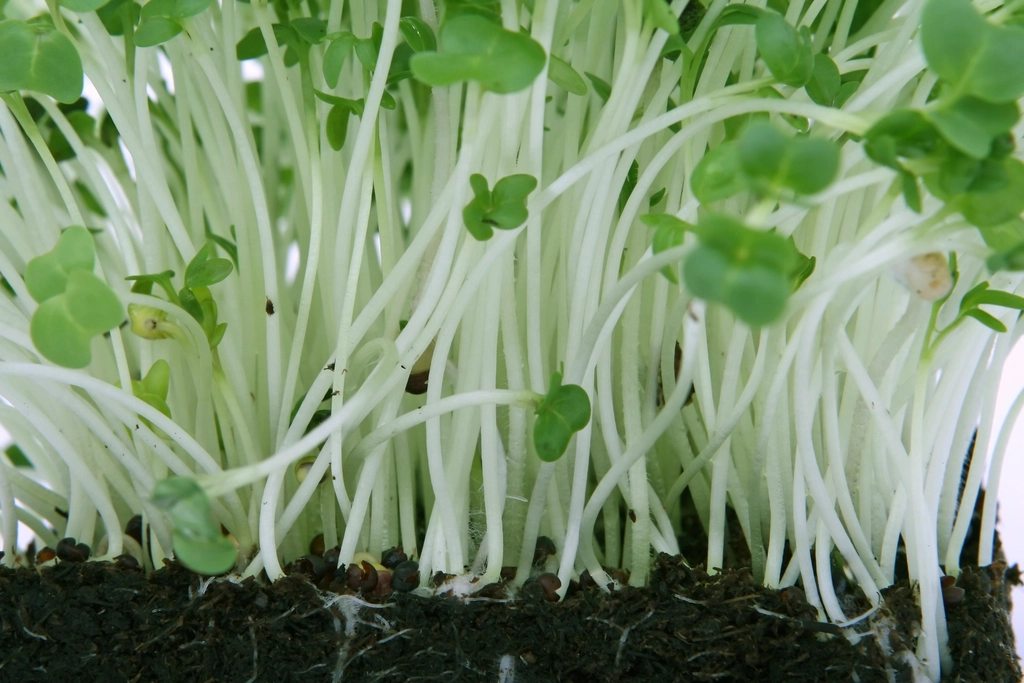
Broccoli Sprouts vs. Broccoli Microgreens: What’s the Difference?
Compare broccoli sprouts and broccoli microgreens by growth stage, harvest, flavor, food safety, and what research says about glucoraphanin and sulforaphane.
12 min read
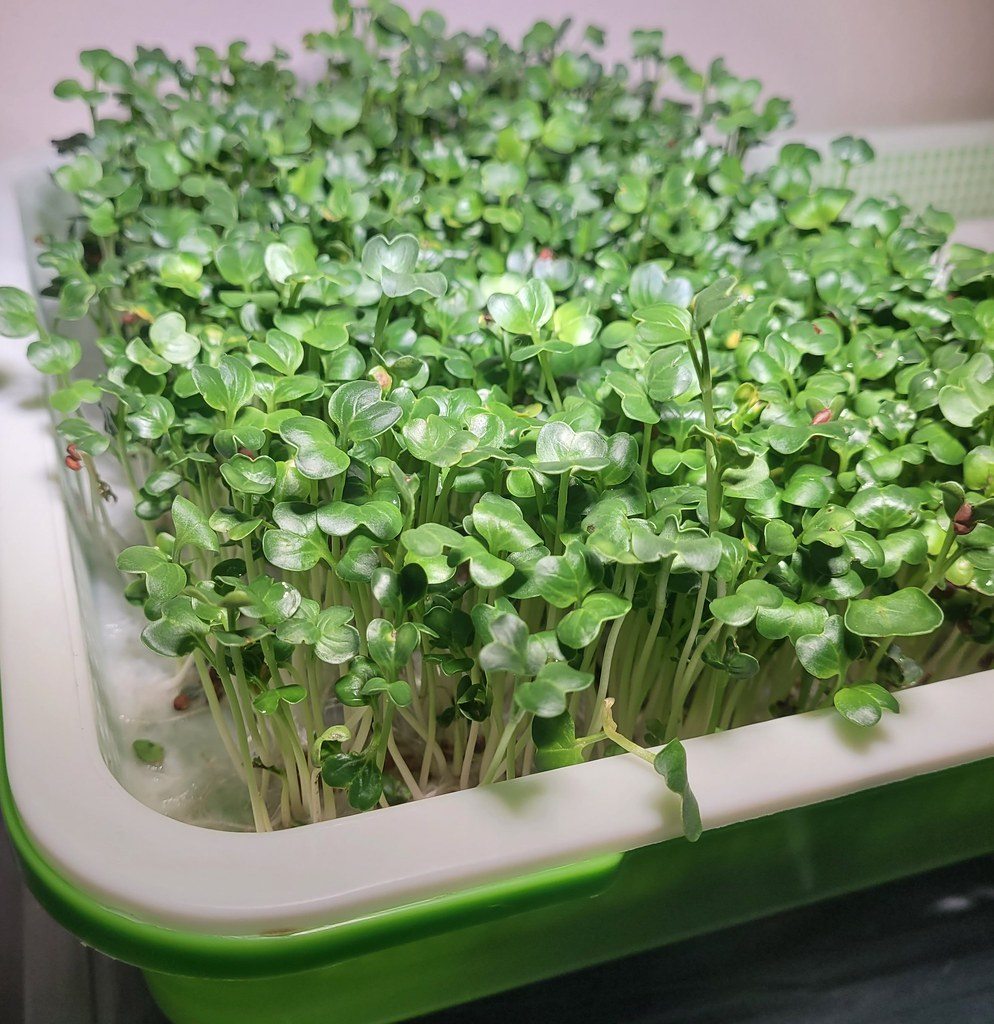
What Are Broccoli Microgreens?
Learn what broccoli microgreens are, how they differ from broccoli sprouts, what they taste like, how to use them, and what research says about their nutrition.
10 min read
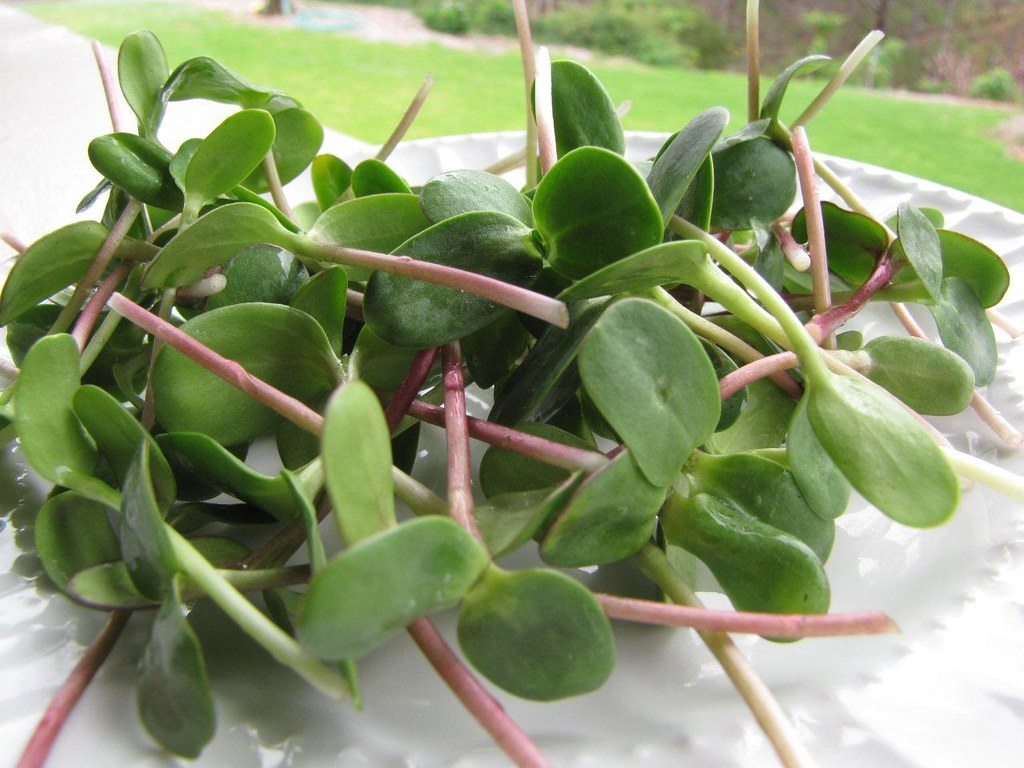
Sunflower Sprouts vs. Sunflower Microgreens: What’s the Difference?
Learn how sunflower sprouts and sunflower microgreens differ in growth stage, harvest method, texture, uses, and raw-food safety considerations.
13 min read
Stay in the loop
New guides, when they publish
An occasional email when a new guide goes live. No spam.
Your email is stored privately for future guide updates. No emails are being sent yet. Privacy policy