Microgreens · Broccoli Microgreens
What Are Broccoli Microgreens?
Broccoli microgreens are young edible broccoli seedlings harvested early in their growth, after the seed leaves—called cotyledons—have developed and often around the time the first true leaves begin to emerge. They are not the same as broccoli sprouts: microgreens are generally grown longer, often with light and a growing medium, then cut above the surface and eaten as tender greens. [1][2]
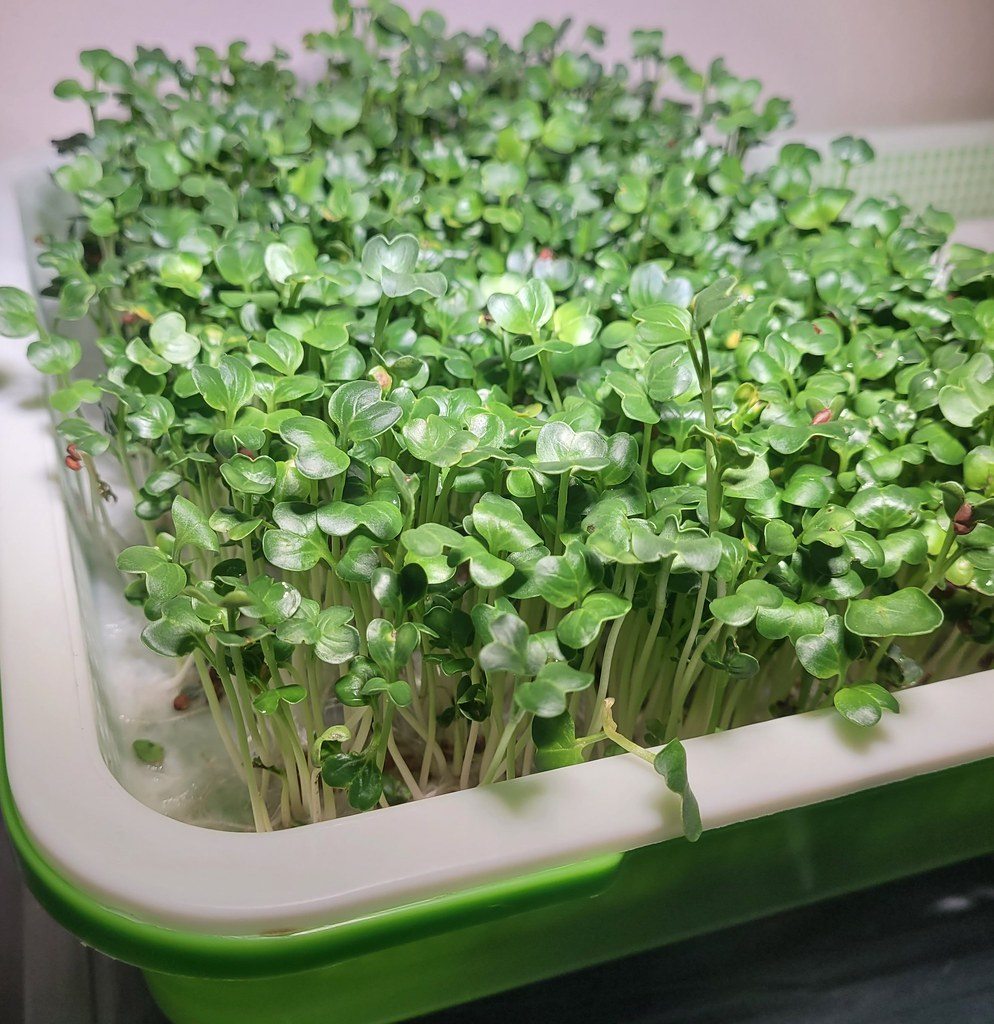
People commonly use broccoli microgreens fresh in salads, sandwiches, wraps, grain bowls, egg dishes, and as a finishing topping for prepared meals.
Broccoli Microgreens at a Glance
| Feature | Broccoli microgreens |
|---|---|
| What they are | Young edible broccoli seedlings |
| Typical harvest stage | Developed cotyledons; first true leaves may be emerging or present |
| Typical timing | Often roughly 7–14 days after germination, depending on conditions |
| What is usually eaten | Tender stems and leaves, typically cut above the growing medium |
| Common uses | Salads, sandwiches, wraps, bowls, eggs, and finished dishes |
| Flavor | Fresh and vegetal; often milder than mature broccoli, sometimes lightly peppery |
| Plant compounds often discussed | Glucosinolates, including glucoraphanin |
“Microgreen” describes a growth stage, not a separate broccoli species or a processed form of broccoli. The plants begin as broccoli seeds, germinate, grow their first leaves, and are harvested well before they would form a mature broccoli head.
How Broccoli Microgreens Grow
From broccoli seed to young edible green
Broccoli microgreens begin with broccoli seeds. Following germination, the young plants develop cotyledons, or seed leaves, then continue into a small seedling with a slender stem and leafy top.
They are generally grown longer than sprouts. Microgreens are often exposed to light and grown in soil or another substrate before harvest. Depending on the cultivar and growing conditions, they are often ready to harvest roughly 7–14 days after germination. [1]
The greens are usually cut just above the soil or growing medium, leaving the roots behind.
Why the harvest stage matters
Harvest-stage terminology can vary by crop, producer, and context. Some horticultural sources describe microgreens at the fully developed cotyledon stage, while FDA guidance generally distinguishes microgreens from sprouts as a later stage associated with true-leaf development. [1][2]
That growth stage can affect a microgreen’s appearance, texture, flavor, and measured composition. Cultivar, light exposure, growing method, harvest timing, storage, and laboratory methods can also influence the nutrients and plant compounds detected in broccoli microgreens. [5][6]
Broccoli Microgreens vs. Broccoli Sprouts
Broccoli microgreens and broccoli sprouts both start with broccoli seed, but they are different foods grown and harvested at different stages.
| Feature | Broccoli microgreens | Broccoli sprouts |
|---|---|---|
| General growth stage | Later seedling stage | Earlier germinated-seed stage |
| Typical growing conditions | Usually grown longer, often with light and a substrate | Generally germinated in warm, moist conditions |
| Edible portion | Usually stems and leaves, cut above the medium | Often the whole sprout, including root and seed remnants |
| FDA distinction | Not treated as sprouts for sprout-specific requirements | Subject to sprout-specific requirements when covered |
Sprouts are generally consumed soon after germination, while microgreens have had more time to develop stems and leaves. Although both foods can contain Brassica plant compounds, they should not be treated as nutritionally or scientifically interchangeable.
FDA treats microgreens and sprouts as distinct products for sprout-specific Produce Safety Rule requirements. Microgreens may still be subject to other applicable produce-safety provisions. This regulatory distinction does not mean microgreens are risk-free or that one product is universally safer than the other. [2]
What Do Broccoli Microgreens Taste Like?
Many people describe broccoli microgreens as fresh, green, and vegetal, with a broccoli-like flavor that is often milder than mature broccoli. Depending on the cultivar and harvest stage, they may also have a subtle peppery or Brassica-like bite.
Flavor is subjective. If you are trying them for the first time, add a small handful to a familiar meal so you can judge how their flavor works with your usual ingredients.
How to Use Broccoli Microgreens
Broccoli microgreens are often used as a fresh ingredient for color, tender texture, and flavor. [1]
Everyday serving ideas
Try broccoli microgreens in:
- Salads and grain bowls
- Sandwiches, wraps, burgers, and tacos
- Scrambled eggs, omelets, and other egg dishes
- Soups and roasted vegetables as a topping after plating
- Rice bowls and noodle dishes
- Smoothies, in a small amount, if the flavor suits the recipe
For the best texture, add them near the end of preparation rather than cooking them for a long time. This is culinary guidance, not a claim that a particular preparation method universally preserves more nutrients or produces more sulforaphane.
Broccoli Microgreen Nutrition: What Research Actually Shows
Broccoli microgreens are often discussed for their nutrient content and Brassica plant compounds. That interest is reasonable, but broad nutrition claims need context.
Nutrients and plant compounds
Like other Brassica vegetables, broccoli microgreens contain nutrients and phytochemicals. Research on microgreens has examined vitamins, carotenoids, minerals, glucosinolates, and related compounds. [1][3][7]
However, there is no single nutrition profile that applies to every crop of broccoli microgreens. Measured levels can vary according to:
- Broccoli cultivar
- Growing conditions and light
- Growing medium and nutrient inputs
- Harvest stage
- Postharvest storage and handling
- Laboratory testing methods
In one research setting, broccoli microgreens showed higher concentrations of several minerals than mature broccoli. The result depended substantially on the growing method, however, and does not establish that broccoli microgreens are universally more nutritious than mature broccoli. [1]
A comparison of concentration per gram also cannot, by itself, establish better overall dietary intake or better health outcomes. The nutrient being measured, the basis of comparison, and typical serving sizes all matter.
Glucoraphanin and sulforaphane
Broccoli microgreens contain glucosinolates, including glucoraphanin, a plant compound frequently discussed in Brassica nutrition research. [4][7]
Glucoraphanin is a precursor to sulforaphane. Its conversion and bioavailability can vary based on factors including plant enzymes, food preparation, and digestion; it should not be assumed to occur uniformly with every serving.
In a small human feeding study of 11 healthy participants, researchers detected sulforaphane metabolites after participants ate a single serving of fresh broccoli microgreens. This finding supports exposure and bioavailability, not disease prevention, treatment, or reversal. [4]
Available human evidence discussed here is limited, and more research is needed to determine whether broccoli microgreens themselves produce specific health outcomes. The studies discussed here should not be confused with research on broccoli sprouts, supplements, or other Brassica foods. [4][7]
Why “40 times more nutritious” is too simplistic
You may encounter claims that microgreens contain “4–40 times more nutrients” than mature vegetables. That phrase is often repeated without the needed context.
The widely cited range came from research involving multiple microgreen crops and selected nutrients. It was not a universal conclusion that every broccoli microgreen contains 40 times more of every nutrient than mature broccoli. [3]
A more accurate takeaway is that microgreens can be concentrated sources of some nutrients and plant compounds, but levels depend on the specific crop, nutrient, growing conditions, harvest stage, storage, and comparison method.
Are Broccoli Microgreens Safe to Eat?
Broccoli microgreens are commonly eaten raw. Like other raw produce, they should be obtained from a source that uses appropriate growing and handling practices, stored according to seller directions, and handled with clean hands and clean utensils. [8]
Microgreens are distinct from sprouts under FDA sprout-specific guidance. Raw sprouts have particular food-safety considerations because sprouting commonly occurs in warm, moist conditions that can support bacterial growth if contamination is present. That sprout-specific risk discussion should not be applied wholesale to microgreens. [2][9]
Still, “different from sprouts” does not mean “risk-free.” Basic produce-safety practices remain important:
- Refrigerate fresh microgreens as directed.
- Wash hands before handling them.
- Use clean knives, cutting boards, bowls, and serving utensils.
- Keep them away from raw meat, poultry, seafood, and their juices.
- Follow package or seller guidance on storage and use.
People who are pregnant, older, immunocompromised, or otherwise at higher risk of foodborne illness may want individualized food-safety guidance from a healthcare professional. [8]
Should You Buy or Grow Broccoli Microgreens?
Whether to buy broccoli microgreens or grow them at home depends mostly on how you plan to use them.
| If your priority is… | Consider… |
|---|---|
| Convenience and immediate use | Buying fresh broccoli microgreens |
| Learning a hands-on growing process | Growing broccoli microgreens at home |
| Choosing your own harvest timing | Growing at home |
| Using microgreens without setup or cleanup | Buying fresh |
Buying fresh may suit people who want a ready-to-use ingredient for meals. Growing at home may suit those who enjoy growing food and want to harvest on their own schedule.
Neither choice automatically makes the microgreens safer, more nutritious, or less expensive. Those factors depend on the product, growing conditions, storage, handling, and individual circumstances.
Frequently asked questions
Research & Further Reading
Research and authoritative food-safety sources
- Weber CF. Broccoli Microgreens: A Mineral-Rich Crop That Can Diversify Food Systems. Frontiers in Nutrition.
- U.S. Food and Drug Administration. Guidance for Industry: Standards for the Growing, Harvesting, Packing, and Holding of Sprouts for Human Consumption.
- Xiao Z, Lester GE, Luo Y, Wang Q. Assessment of Vitamin and Carotenoid Concentrations of Emerging Food Products: Edible Microgreens. Journal of Agricultural and Food Chemistry.
- Bouranis JA, et al. Sulforaphane Bioavailability in Healthy Subjects Fed a Single Serving of Fresh Broccoli Microgreens. Foods.
- Effect of LED Lights on the Growth, Nutritional Quality and Glucosinolate Content of Broccoli, Cabbage and Radish Microgreens.
- Effects of Growing Cycle and Genotype on the Morphometric Properties and Glucosinolates Amount and Profile of Sprouts, Microgreens and Baby Leaves of Broccoli and Kale.
- Brassicaceae Microgreens: Phytochemical Compositions, Influences of Growing Practices, Postharvest Technology, Health, and Food Applications.
- U.S. Food and Drug Administration. Selecting and Serving Produce Safely.
- U.S. Food and Drug Administration. Guidance for Industry: Reducing Microbial Food Safety Hazards in the Production of Seed for Sprouting.
- Penn State Extension. The ABCs of Microgreens.
Company and product information — not scientific evidence
Andi’s Way. Organic Broccoli Microgreen Seeds — company product information. https://andisway.com/products/broccoli-microgreen-seeds
Andi’s Way. Broccoli Microgreens – Fresh Cut Organic 1.8 oz — company product information. https://andisway.com/products/broccoli-microgreens-fresh-cut-organic-1-8-oz
Related guides
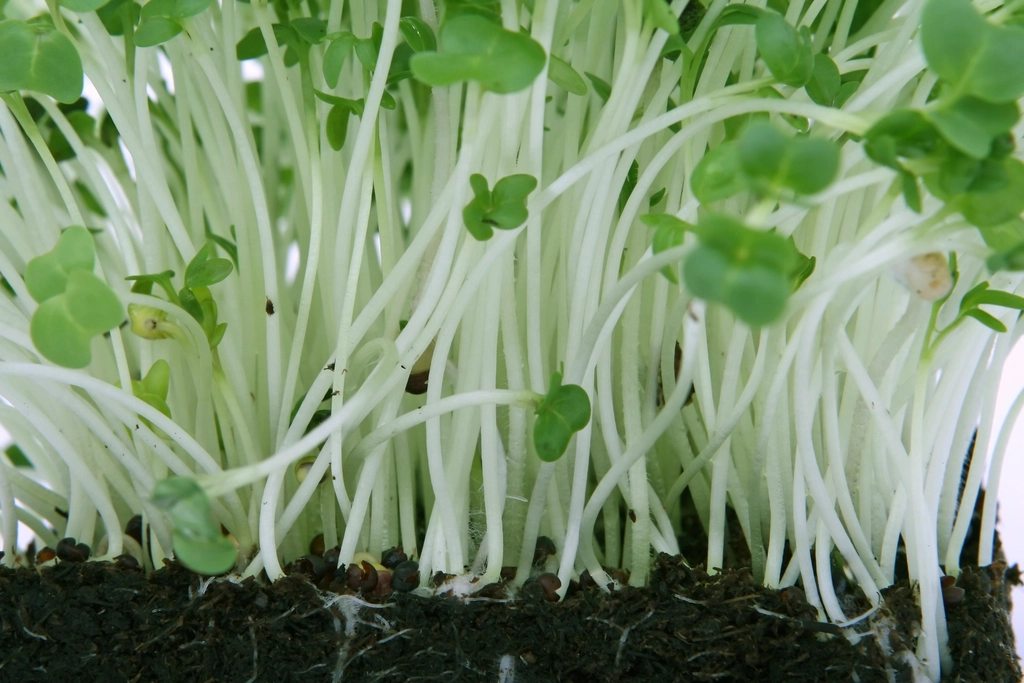
Broccoli Sprouts vs. Broccoli Microgreens: What’s the Difference?
Compare broccoli sprouts and broccoli microgreens by growth stage, harvest, flavor, food safety, and what research says about glucoraphanin and sulforaphane.
12 min read
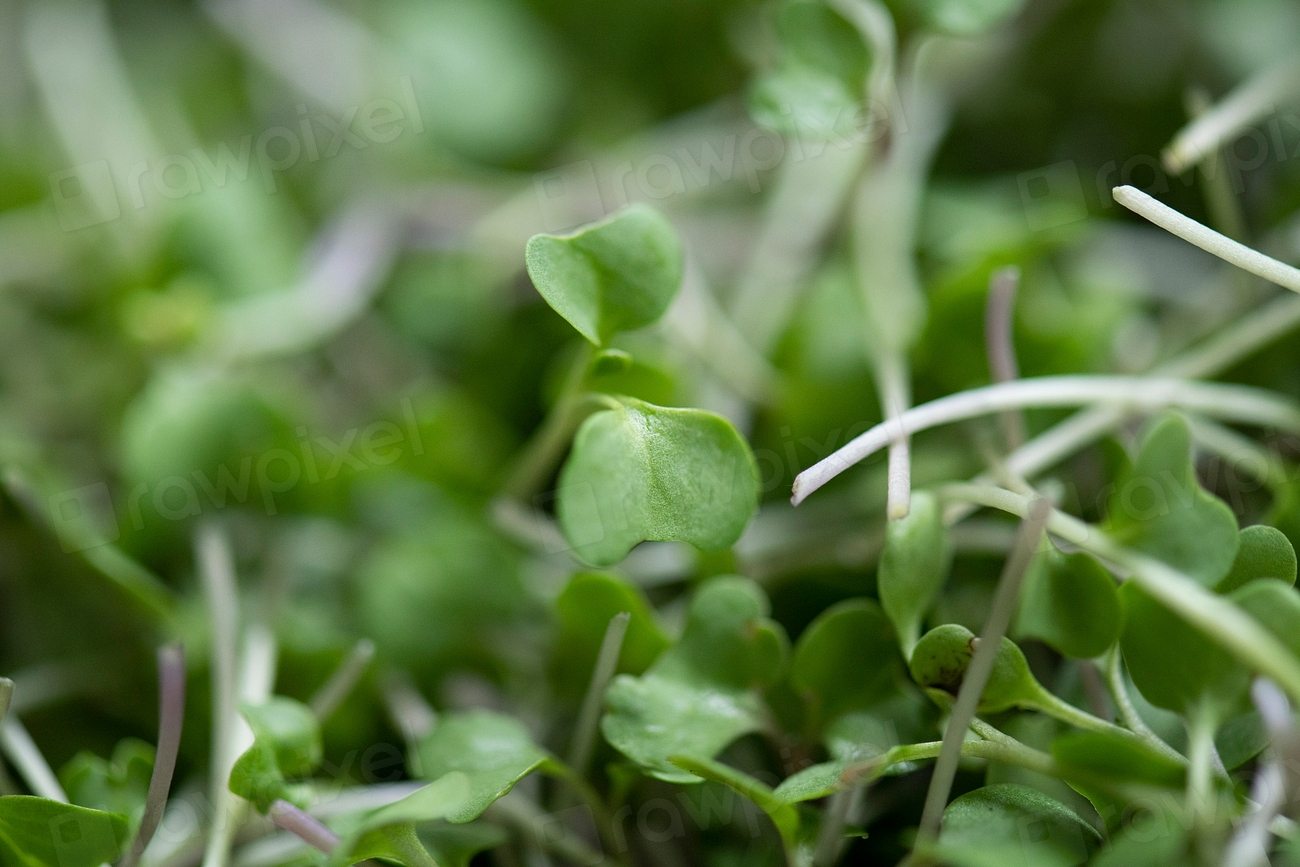
Broccoli Microgreens and Sulforaphane: What Human Research Actually Shows
Do broccoli microgreens deliver sulforaphane? Review the direct human study, related sprout trials, key limitations, and what remains unknown.
13 min read
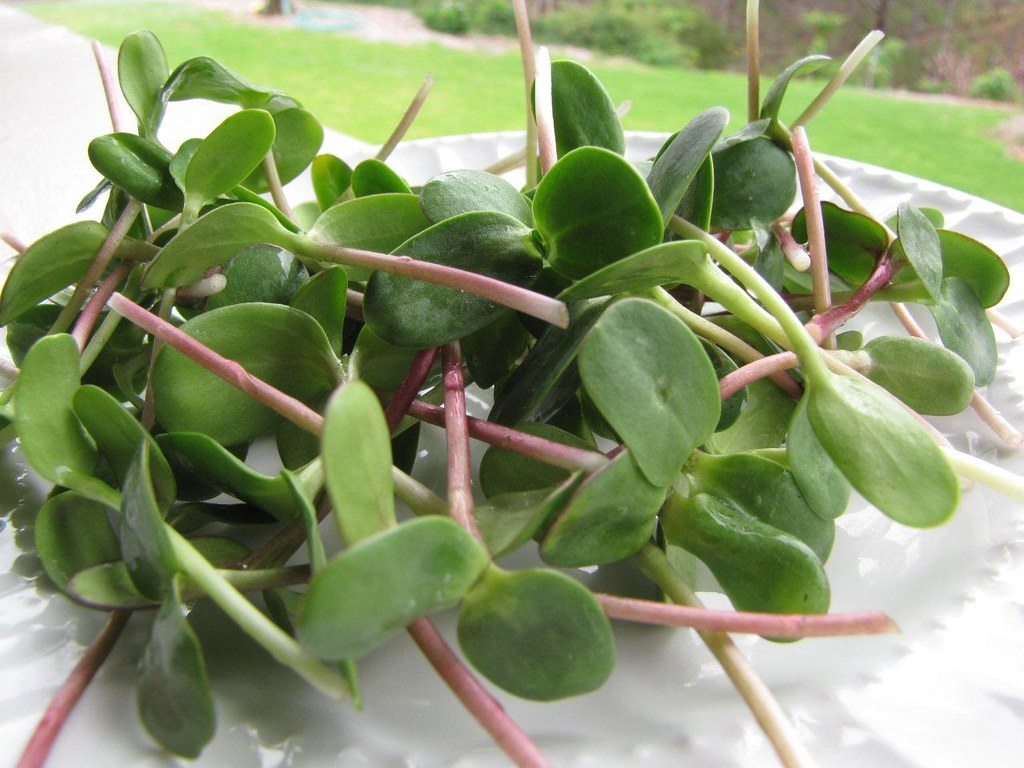
Sunflower Sprouts vs. Sunflower Microgreens: What’s the Difference?
Learn how sunflower sprouts and sunflower microgreens differ in growth stage, harvest method, texture, uses, and raw-food safety considerations.
13 min read
Stay in the loop
New guides, when they publish
An occasional email when a new guide goes live. No spam.
Your email is stored privately for future guide updates. No emails are being sent yet. Privacy policy