Growing & Seeds · Sunflower Microgreens
Black Oil Sunflower Seeds for Microgreens: What to Buy and What to Avoid
For most sunflower microgreen trays, the best default is whole black-oil sunflower seed sold specifically for microgreens, sprouting, or edible growing. Choose seed that is untreated, intact, clearly identified, and sold by a supplier that can answer basic questions about the product.
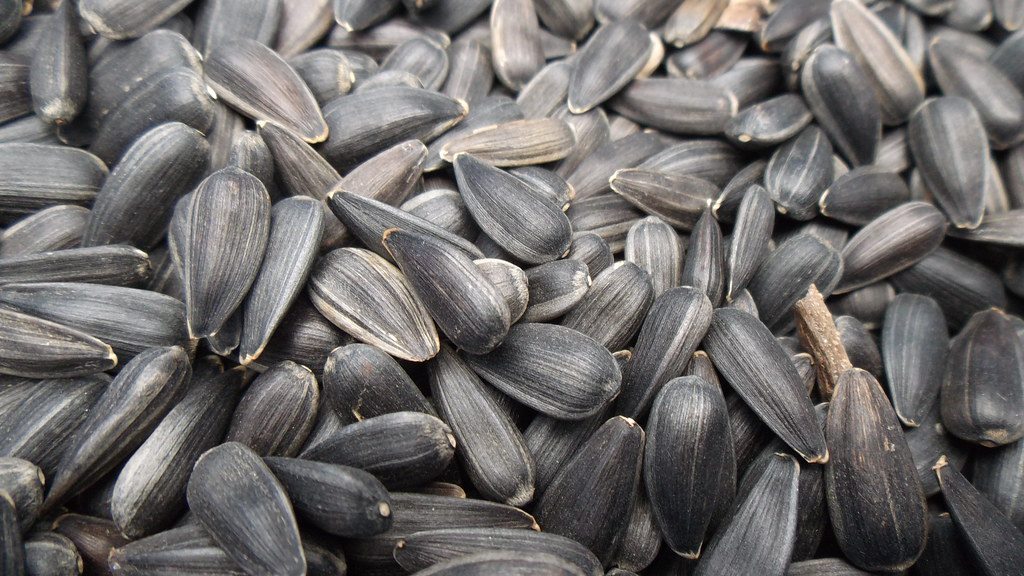
Black-oil sunflower birdseed is not automatically unsafe or unusable for microgreens. But “black oil sunflower” identifies a seed type—not a complete quality standard. That phrase alone does not tell you whether a bag is untreated, viable, single-ingredient, traceable, or intended for growing food.
This is a seed-selection guide, not a step-by-step guide to growing sunflower microgreens.
Are Black Oil Sunflower Seeds Good for Microgreens?
Black-oil sunflower is commonly used for growing edible sunflower microgreens. A controlled study of sunflower microgreens, for example, used black-oil sunflower (Helianthus annuus) as its sunflower seed crop. Poudel et al. (2023)
For buyers, black oil is a practical and familiar choice—but it is not a promise of germination, cleanliness, food safety, flavor, hull retention, or performance in every tray.
What “black oil” does—and does not—tell you
A label that says “black-oil sunflower seed” can identify the general seed type. It does not automatically establish:
- That the seed is intended for edible growing
- That it is untreated
- That it is a single-ingredient product
- That it has a lot number or other batch identification
- That the supplier has germination information
- That the seed is free of microorganisms of food-safety concern
Seed quality includes several separate considerations, such as physical purity, germination, viability, moisture, and vigor. A seed name alone cannot confirm all of them. USDA Agricultural Marketing Service Seed Testing Program
What to Look for When Buying Sunflower Microgreen Seeds
The best buying decision comes from reviewing the complete product listing and package label—not simply finding the words “black oil sunflower.”
A clear microgreens, sprouting, or edible-growing purpose
For home growing, look first for sunflower seeds sold for:
- Microgreens
- Sprouting
- Sunflower shoots
- Edible growing
A product marketed for edible use makes it easier to identify the relevant questions to ask about treatment status, ingredients, storage, and seed quality. Confirm those details with the seller.
Still, a “microgreen” or “sprouting” label is not a pathogen-free guarantee. Seeds may carry microorganisms, and food safety also depends on water, growing media, equipment, surfaces, and handling. University of Nevada, Reno Desert Farming Initiative: Microgreens and Produce Safety
Whole, intact seed rather than processed snack kernels
Choose whole sunflower seed intended to germinate. Avoid snack products that have been:
- Roasted
- Salted
- Hulled
- Flavored
- Otherwise heavily processed
Germination depends on a seed’s ability to produce a normal seedling. USDA seed-testing standards distinguish normal seedlings from abnormal, dead, or dormant seed under controlled conditions. USDA Agricultural Marketing Service Seed Testing Program
For sunflower microgreens, whole seeds with hulls intact are the normal starting point. Hulls may remain attached to some young shoots, which is one reason treatment status matters.
Untreated seed is essential for edible microgreens
Choose untreated seed for edible microgreens.
Avoid products labeled as:
- Treated
- Pesticide-treated
- Fungicide-treated
- Dyed
- Planting-only
- Not for human consumption
Also be cautious with coated seed. Rather than assuming every coating is harmful, treat a coating as a reason to verify exactly what was applied and whether the product is intended for edible use. If the seller cannot provide a clear answer, choose another seed.
University extension guidance recommends untreated seed for microgreens because dyes, fungicides, insecticides, and other seed treatments may be present on treated seed. South Dakota State University Extension: Growing Microgreens at Home
Lot identification and germination information
When available, look for a lot number and germination information.
A germination result estimates the percentage of a seed lot that can produce normal seedlings under controlled testing conditions. It is useful for comparing seed lots, but it does not guarantee identical results in a home tray. Storage, moisture, sanitation, temperature, and handling can all affect real-world performance. USDA Agricultural Marketing Service Seed Testing Program
Not every retail seller displays lot-specific germination data. But when comparing similar products, it is reasonable to favor suppliers that can provide:
- Lot or batch identification
- Germination results
- Germination test date
- Storage recommendations
- Clear ingredient and treatment information
Good package condition and supplier transparency
When a bag arrives, inspect it before using it for a large grow. Contact the seller if you notice obvious concerns such as:
- Musty or unusual odors
- Moisture, clumping, or damp seed
- Insects
- Visible spoilage
- Excessive debris
- A substantial amount of damaged seed
- Unclear ingredients or treatment disclosures
Inspection can reveal apparent quality problems, but it cannot confirm that seed is pathogen-free or guarantee germination. The University of Nevada, Reno’s produce-safety guidance recommends examining seed upon receipt for signs of contamination or spoilage. University of Nevada, Reno Desert Farming Initiative: Microgreens and Produce Safety
| Buy or Prefer | Ask About | Avoid |
|---|---|---|
| Whole black-oil sunflower seed sold for edible growing | Whether the seed is untreated | Treated, dyed, or planting-only seed |
| Intact seed in sound package condition | Lot or batch identification | Roasted, salted, hulled, or processed snack seed |
| Clear product and supplier information | Germination result and test date, if available | Mixed bird-feed blends |
| Single-ingredient sunflower seed | Storage and handling information | Bags with unusual odor, moisture, insects, spoilage, or excessive debris |
| Sellers that answer practical product questions | Whether a coating or treatment has been applied | Products with unclear ingredients or no treatment information |
Can You Use Black Oil Sunflower Birdseed for Microgreens?
The short answer: assess the specific bag
You may be able to grow sunflower microgreens from a plain bag of black-oil sunflower birdseed, but assess the individual product rather than treating the birdseed category as a verdict.
Black-oil sunflower is a common bird-feed seed, which is why shoppers encounter it in birdseed aisles as well as microgreen-seed listings. University of Florida IFAS Extension: Attracting Birds With Bird Feeders: The Basics
That does not mean every birdseed bag is chemically treated, nonviable, unsafe for people, or incapable of growing. Those are unsupported generalizations.
The issue is that a bird-feed label may not give you the information you want before using seed to grow food.
Why birdseed may leave questions unanswered
Depending on the product, a birdseed label may not clearly disclose:
- Whether the seed is untreated
- Whether it is only black-oil sunflower seed
- Whether it is part of a multi-ingredient blend
- Whether lot information is available
- Whether germination information is available
- Whether the seller can address edible-growing questions
A lack of information does not automatically make a product unsuitable. It means you have less basis for deciding whether it meets your standards for an edible crop.
When to pass on birdseed
Avoid birdseed products for sunflower microgreens if they are:
- Mixed with other seeds, grains, pellets, or feed ingredients
- Treated, dyed, or otherwise coated without clear edible-use information
- Missing an understandable ingredient statement
- Unclear about treatment status
- Damp, musty, infested, visibly spoiled, or heavily damaged
- Sold by a supplier unable to answer basic questions about the product
Mixed bird-feed blends are particularly poor choices if you want a consistent tray of sunflower microgreens. The issue is ingredient consistency and traceability—not an assumption that the blend is inherently unsafe.
If you are considering plain black-oil birdseed
If you find a plain, single-ingredient black-oil sunflower product, ask the seller:
- Is the seed untreated and uncoated?
- Is it solely black-oil sunflower seed?
- Is there a lot number or batch identifier?
- Is germination or other quality information available?
- Can the seller clarify whether the product is appropriate for edible growing?
Consider buying a small amount before ordering in bulk. A small trial can help you assess whether the seed appears to match its listing, arrives in acceptable condition, and performs reasonably in your own setup.
A successful trial is useful buying information. It does not prove the seed is free of microorganisms or guarantee that future lots will perform the same way.
| Consideration | Seed Sold for Microgreens or Sprouting | Black-Oil Sunflower Birdseed |
|---|---|---|
| Intended use | Identified for edible growing | Identified for bird feeding |
| Treatment information | Relevant information to request before purchase | May be limited or absent |
| Ingredient clarity | Often sold as a single identified seed | May be single-ingredient or part of a blend |
| Lot and germination information | May be available from the seller | May not be available |
| Best buyer approach | Confirm product details and condition | Verify the exact bag before using it for edible growing |
Does Organic Matter When Buying Sunflower Microgreen Seed?
Organic certification may be meaningful to shoppers who want seed produced under a particular certified production standard.
However, organic status should not replace the other checks in this guide. It does not, on its own, guarantee:
- High germination
- Good physical condition
- Absence of debris or damage
- Pathogen-free seed
- Better performance in every tray
- Superior nutrition in the harvested microgreens
A 2023 study of microgreen seeds purchased from online vendors did not find a significant difference in microbial counts between the organic and non-organic samples it assessed. That finding does not establish that all organic and non-organic seed performs the same way; it does reinforce that organic status should not be treated as a food-safety guarantee. Ocho Bernal, Lyttle, and Jung (2023)
Terms such as “food-grade,” “sprouting-grade,” “microgreen seed,” and “non-GMO” can provide useful context about intended use or production preferences. Buyers should still review treatment status, seed condition, lot information, and supplier transparency rather than relying on a term alone.
Why Seed Choice Is Also a Food-Safety Decision
Microgreens are not the same as sprouts
Microgreens and sprouts are different foods and are produced differently.
Sprouts are generally germinated and eaten whole, including the seed and root. Microgreens are typically grown in soil or another substrate, then harvested above the growing-medium line after stems and leaves develop. U.S. Food and Drug Administration: Standards for Growing, Harvesting, Packing, and Holding of Sprouts for Human Consumption
That difference does not mean raw microgreens require no food-safety attention. They are still raw produce.
Good sourcing helps, but it is not the complete safety picture
Seed can carry microorganisms. Water, growing media, trays, tools, work surfaces, hand hygiene, harvest practices, and storage also affect food safety. University of Nevada, Reno Desert Farming Initiative: Microgreens and Produce Safety
In a 2023 study of 102 microgreen-seed samples across 14 species purchased from 17 online vendors, researchers found coliforms in 48% of samples. The researchers did not detect E. coli or recover viable Salmonella or Listeria monocytogenes from the samples tested. This study should not be generalized to every seller or seed lot. Its useful takeaway is that a microgreen-seed label should not be presented as a pathogen-free guarantee. Ocho Bernal, Lyttle, and Jung (2023)
Do not rely on home seed sanitizing as a guarantee
Rinsing, soaking, vinegar, hydrogen peroxide, or another home treatment should not be presented as a dependable guarantee that raw microgreens are safe.
Research has evaluated particular treatments under particular conditions, but there is no universal home method that can reliably guarantee seed or microgreen safety. Careful sourcing and clean growing practices remain important throughout the process. Ocho Bernal, Lyttle, and Jung (2023)
Before You Buy a Large Bag, Run a Small Trial
When trying a new supplier or a new seed lot, start with a smaller quantity when practical.
A small test can help you assess:
- Whether the seed matches the product listing
- General emergence consistency in your setup
- Obvious odor, moisture, spoilage, or excessive debris
- Unexpected ingredients or unusual seed damage
- Whether the supplier provides clear and useful product information
This is practical buying guidance, not a scientific safety test. A small trial cannot verify microbial safety or guarantee future performance, but it can help you spot obvious quality or communication issues before purchasing in bulk.
Research & Further Reading
Seed quality and labeling
- USDA Agricultural Marketing Service, Seed Testing Program
- USDA Agricultural Marketing Service, Federal Seed Act
Microgreen seed selection and growing guidance
- Penn State Extension, The ABCs of Microgreens
- Penn State Extension, Growing Microgreens
- South Dakota State University Extension, Growing Microgreens at Home
- Utah State University Extension, Grow Your Own Microgreens
Food safety
- U.S. Food and Drug Administration, Guidance for Industry: Reducing Microbial Food Safety Hazards in the Production of Seed for Sprouting
- U.S. Food and Drug Administration, Guidance for Industry: Standards for the Growing, Harvesting, Packing, and Holding of Sprouts for Human Consumption
- University of Nevada, Reno Desert Farming Initiative, Microgreens and Produce Safety
- Riggio et al. (2019), Microgreens—A Review of Food Safety Considerations Along the Farm to Fork Continuum
- Ocho Bernal, Lyttle, and Jung (2023), Microbiological Quality of Microgreen Seeds Purchased From Online Vendors and Evaluating Seed Decontamination Techniques Available Online
Black-oil sunflower context
- Poudel, Di Gioia, Lambert, and Connolly (2023), Zinc Biofortification Through Seed Nutri-Priming Using Alternative Zinc Sources and Concentration Levels in Pea and Sunflower Microgreens
- University of Florida IFAS Extension, Attracting Birds With Bird Feeders: The Basics
Company and product information only
- Andi’s Way, Black-Oil Sunflower Seed Product Page — company/product information, not scientific evidence
Frequently asked questions
Related guides
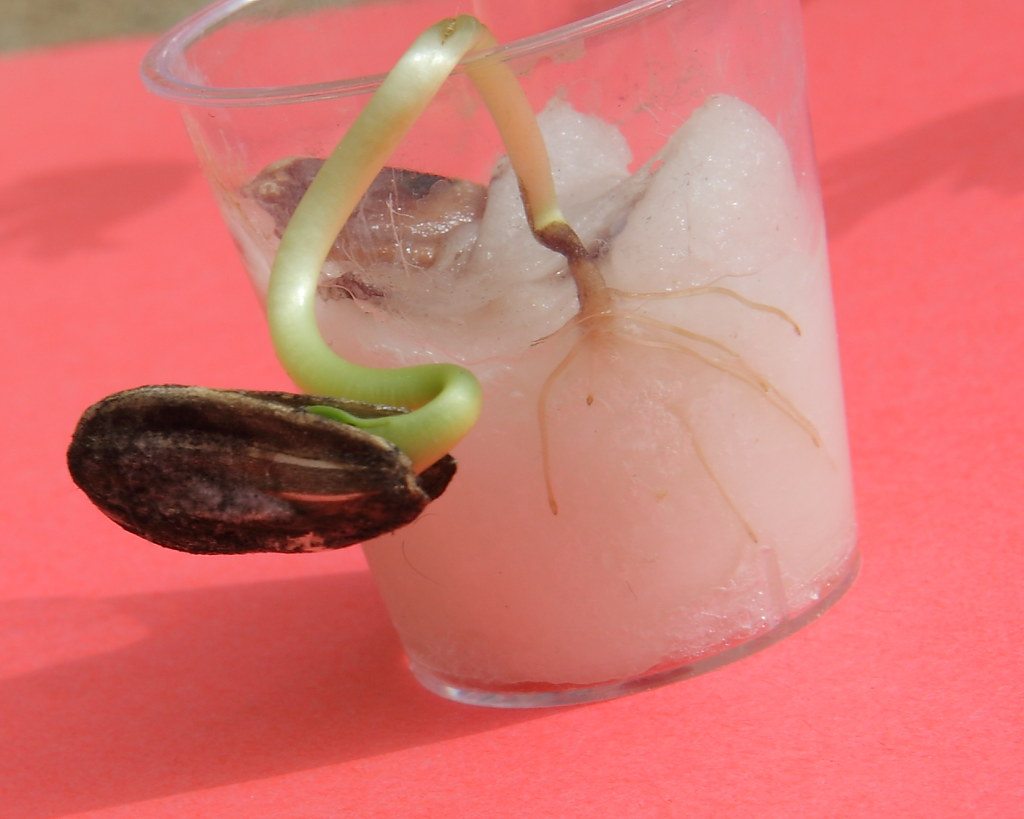
How to Remove Seed Hulls From Sunflower Microgreens
Learn how to remove stuck sunflower seed hulls from microgreens with gentle misting and brushing, plus practical ways to prevent hulls on future trays.
10 min read
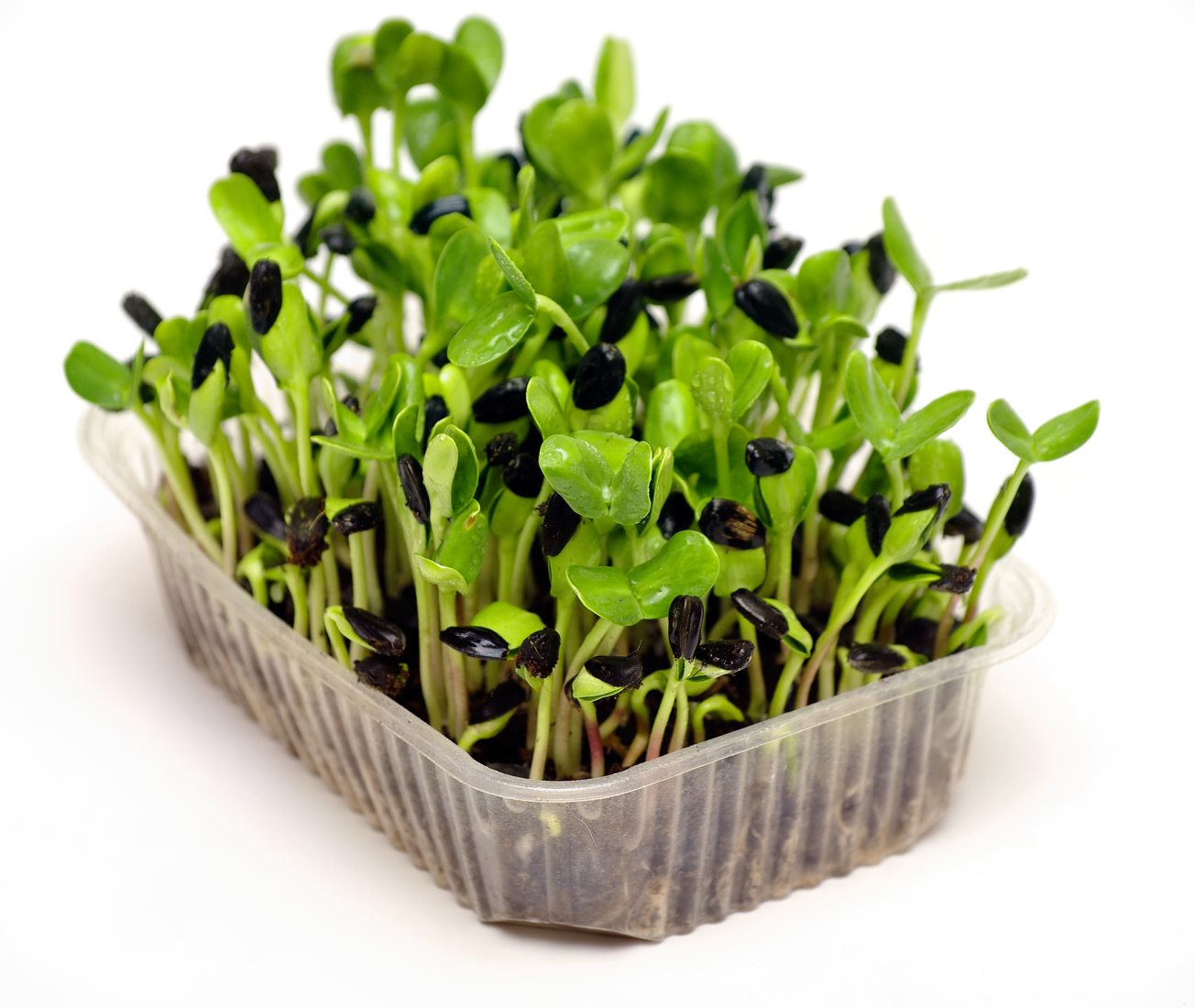
How to Grow Sunflower Microgreens From Seed
Learn how to grow sunflower microgreens from seed with a practical guide to soaking, sowing, weighted blackout, watering, stuck hulls, and harvest timing.
14 min read
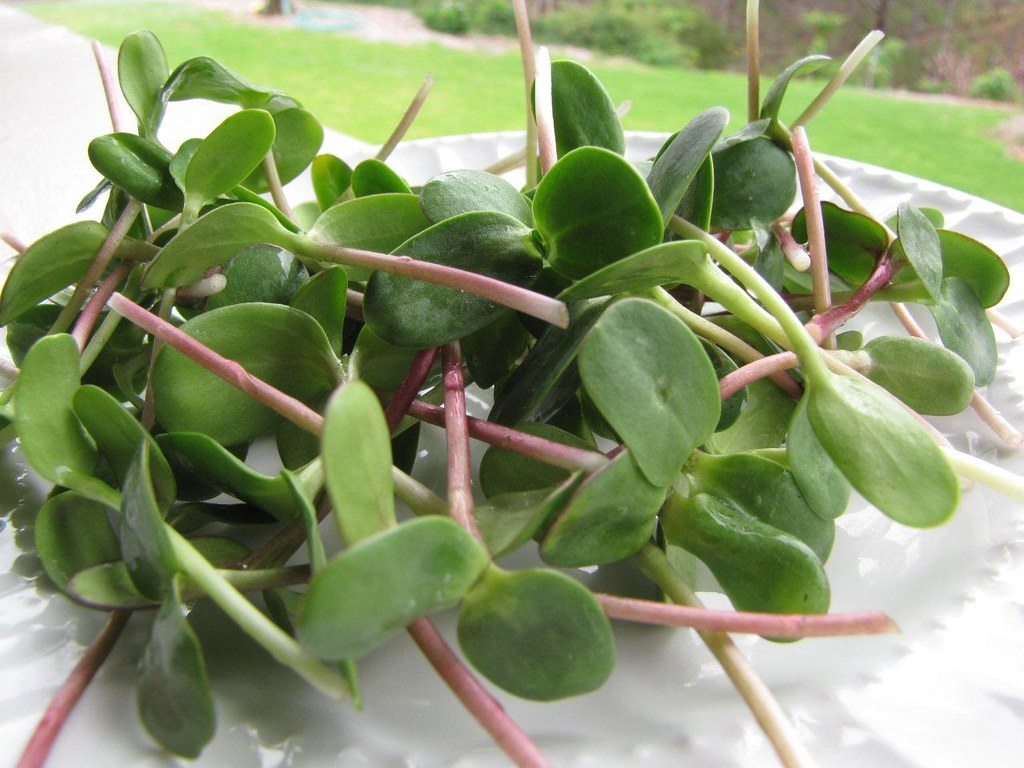
Sunflower Sprouts vs. Sunflower Microgreens: What’s the Difference?
Learn how sunflower sprouts and sunflower microgreens differ in growth stage, harvest method, texture, uses, and raw-food safety considerations.
13 min read
Stay in the loop
New guides, when they publish
An occasional email when a new guide goes live. No spam.
Your email is stored privately for future guide updates. No emails are being sent yet. Privacy policy