Wheatgrass · Nutrition
The Essential Role of Amino Acids
Amino acids are best known as the building blocks of protein, but their importance goes far beyond muscle. They’re used to build and repair body tissues, create enzymes and hormones, support immune function, and help your body make key signaling molecules. This guide explains what amino acids are, basic amino acid structure, the difference between essential and nonessential amino acids, and how to meet your needs through food — especially on a plant-forward diet. You’ll also find a clear, realistic section on where wheatgrass fits (and where it doesn’t) in an amino-acid-smart routine.
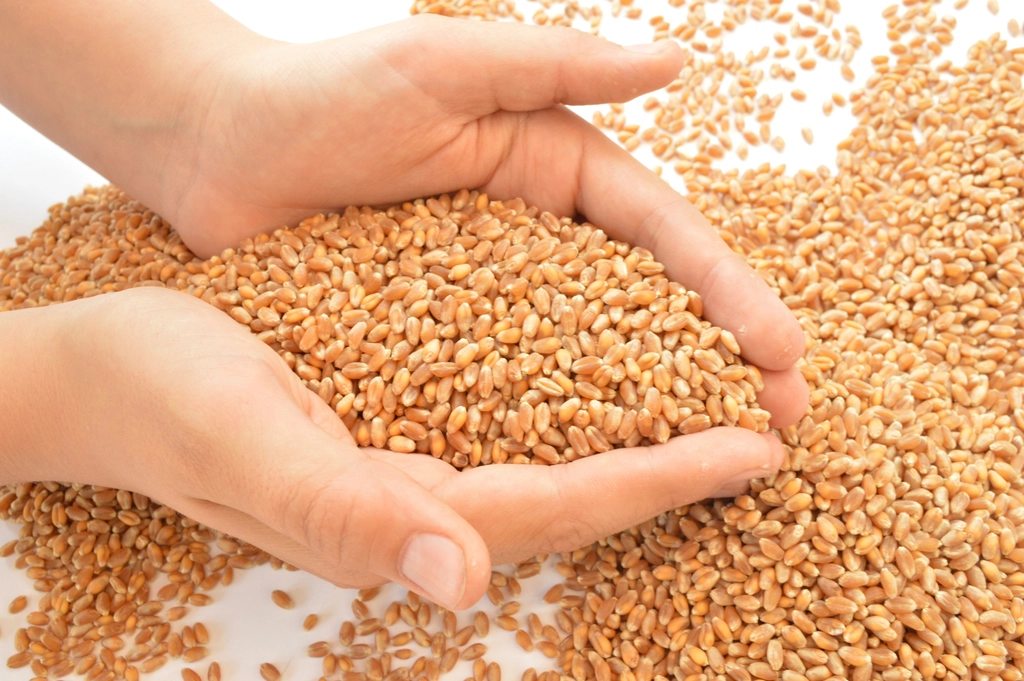
What are amino acids?
Amino acids are small organic compounds your body uses to build proteins. When you eat protein foods, digestion breaks proteins down into individual amino acids (and small chains). Your body then reassembles them into the specific proteins it needs — structural proteins (like those in skin and connective tissue), enzymes, transport proteins, and more.
Because protein is constantly being built and broken down, amino acids are part of everyday maintenance — not just fitness goals.
Basic amino acid structure (in plain language)
All standard amino acids share the same core amino acid structure:
- an amino group
- a carboxyl group
- a hydrogen atom
- a unique side chain (often called an R-group)
The side chain is what makes one amino acid behave differently from another. Some side chains interact easily with water, some avoid water, some carry electrical charges, and some are more reactive. Those differences influence how amino acids link together and how proteins fold into their working shapes.
How amino acids become proteins
Amino acids connect via peptide bonds. A short chain is a peptide; a longer chain is a polypeptide. Proteins are one or more folded polypeptide chains.
Protein function depends on:
- Sequence: the order of amino acids
- Folding: the 3D shape that sequence creates
- Environment: conditions like pH and temperature
- Availability: having enough of the right amino acids overall
Essential amino acids (and why they matter)
Essential amino acids are the ones your body can’t make in sufficient amounts, so you need them from food. There are nine:
- Histidine
- Isoleucine
- Leucine
- Lysine
- Methionine
- Phenylalanine
- Threonine
- Tryptophan
- Valine
If you consistently fall short on total protein or on one or more essential amino acids, your body has less flexibility for building and repair.
Complete vs. incomplete proteins (what this actually means)
A “complete protein” contains all nine essential amino acids in meaningful amounts. Many animal foods (eggs, dairy, fish, meat) are complete proteins. Some plant foods are also considered complete, such as soy foods, quinoa, and buckwheat.
Many other plant foods are still valuable protein sources, but may be lower in one or more essential amino acids when eaten alone. In day-to-day life, you don’t need to perfectly “combine” proteins at every meal — variety across the day (and week) is what usually covers the bases.
Conditionally essential amino acids
Some amino acids are typically made by the body, but needs can increase in certain life stages or situations. These are often called conditionally essential amino acids. Which ones matter most can vary by individual circumstances, so it’s best to focus first on consistent, adequate protein intake and overall diet quality.
What do amino acids do beyond muscle?
Amino acids support many systems, including:
- Enzymes: proteins that drive chemical reactions
- Immune proteins: involved in normal immune function
- Transport: moving substances through blood and cells
- Structural tissues: skin, hair, nails, connective tissue
- Signaling: building blocks used in pathways that help regulate sleep, appetite, and mood
This is why “protein quality” and overall dietary pattern matter — not just grams on a label.
Food-first: how to meet your essential amino acid needs
For most people, amino acid needs are met by eating enough total protein and choosing a mix of protein sources. Practical strategies include:
- Include a protein anchor at meals: eggs, Greek yogurt, fish, poultry, tofu/tempeh, beans, lentils, edamame, seitan, or a protein-forward grain-and-legume combo.
- Use variety for plant-based eating: legumes + grains + nuts/seeds + soy foods across the day builds a broader amino acid profile.
- Don’t forget energy intake: when you’re under-fueled, the body is more likely to use amino acids for energy rather than building and repair.
Where does wheatgrass fit in an amino-acid-smart routine?
Wheatgrass is a young grass from the wheat plant. Like all plants, it contains proteins made of amino acids — so the connection is real. The key is setting the right expectations.
- Wheatgrass isn’t a primary protein source. It’s typically consumed in small amounts (juice shots or small servings of powder), so it won’t contribute protein the way beans, tofu, eggs, fish, or yogurt do.
- Wheatgrass can be a supportive “add-on.” If you enjoy it, it can complement a balanced diet that already meets protein needs.
- Pair it with real meals. A wheatgrass shot alongside a protein-containing breakfast (e.g., yogurt, eggs, tofu scramble, or a smoothie built around soy milk and nut/seed additions) keeps the focus on essentials.
Because wheatgrass is often discussed in the context of plant-based wellness, it’s easy for marketing claims to get louder than the basics. An educational approach keeps it grounded: prioritize adequate protein and diet variety first, then decide whether wheatgrass is a useful, enjoyable addition.
Do you need amino acid supplements?
Many people don’t. If you regularly eat enough protein from a range of foods, you’re usually getting the amino acids you need. Supplements may be considered in specific situations, but they can also distract from the most effective lever: consistent meals.
Quick checklist: everyday amino acid support
Conclusion
Amino acids power protein building, repair, and countless everyday functions. Understanding essential amino acids and basic amino acid structure makes it easier to choose protein sources — especially if you eat plant-forward.
If wheatgrass is part of your routine, keep it in its most helpful role: a supportive addition alongside meals that cover your protein fundamentals. For more wheatgrass education, Andi’s Way publishes practical resources focused on plant-based wellness — so you can make informed choices without hype.
Related guides
Can Wheatgrass Juice Help Ulcerative Colitis? Benefits, Evidence, and How to Use It Safely
What the limited clinical evidence says about wheatgrass juice and ulcerative colitis, how it fits beside prescribed treatment, and how to choose a product safely.
9 min read
Wheatgrass and Amino Acids: What You Should Know About Its Nutrition
Wheatgrass contains a range of amino acids, including all nine essential ones in some analyses — but containing amino acids is not the same as being a protein source. Here's what the research actually shows.
8 min read

Does Wheatgrass Grow Back After Cutting?
Wheatgrass can regrow after cutting if its base and roots remain healthy, but a second harvest is not guaranteed. Learn what affects wheatgrass regrowth.
14 min read
Stay in the loop
New guides, when they publish
An occasional email when a new guide goes live. No spam.
Your email is stored privately for future guide updates. No emails are being sent yet. Privacy policy