Buying & Storage · Fresh Wheatgrass Storage
Fresh Wheatgrass Storage and Shelf Life: How Long It Lasts and How to Store It
Fresh-cut wheatgrass is perishable and should be refrigerated immediately at 40°F (4°C) or below. As a practical planning range, plan to use fresh wheatgrass within about 7–10 days when it arrives cold and remains properly refrigerated.
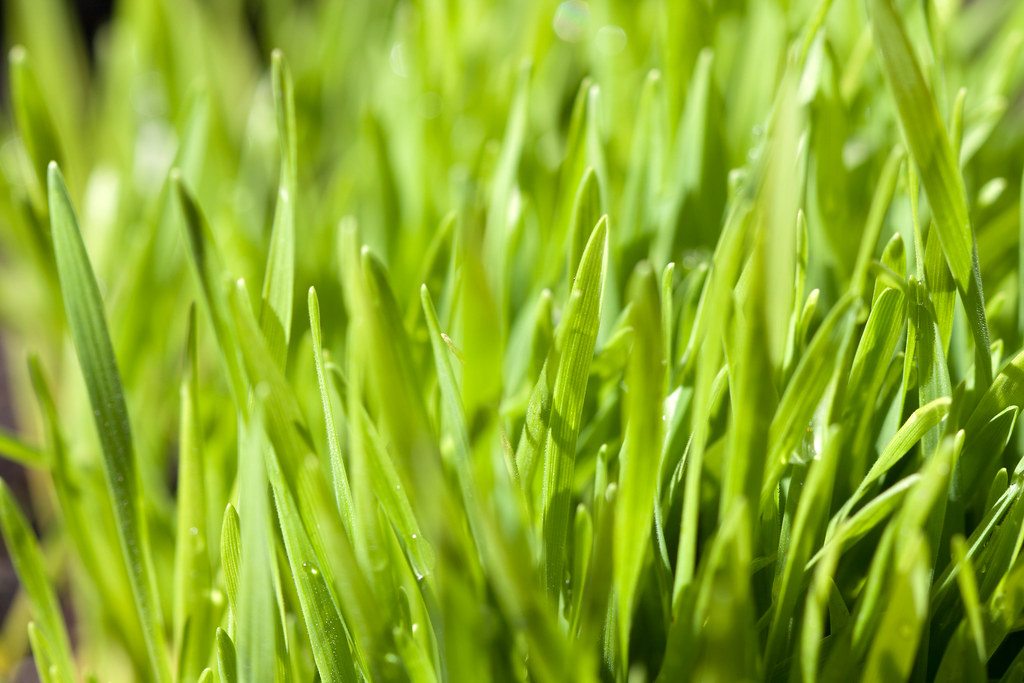
Fresh-cut wheatgrass is perishable and should be refrigerated immediately at 40°F (4°C) or below. As a practical planning range, plan to use fresh wheatgrass within about 7–10 days when it arrives cold and remains properly refrigerated.
This is a practical planning range based on comparable microgreen storage guidance and product-specific seller instructions, not a universal wheatgrass safety standard. Penn State Extension: Growing Microgreens
That range is a storage-planning guideline—not a universal guarantee of quality or safety. Fresh wheatgrass shelf life can vary with packaging, delivery conditions, moisture, handling, and the actual temperature of your refrigerator. Follow the package label or grower’s stated storage and use instructions if they differ from general guidance.
This article covers harvested, fresh-cut, unjuiced wheatgrass. Freshly made wheatgrass juice, frozen wheatgrass juice, and wheatgrass still growing in a tray have different storage needs.
How Long Does Fresh Wheatgrass Last?
Fresh wheatgrass storage situations
| Storage situation | Practical guidance |
|---|---|
| Refrigerated immediately at 40°F (4°C) or below | Plan to use fresh-cut wheatgrass within roughly 7–10 days, unless the package or grower provides a different use window. |
| Left at room temperature | Refrigerate it as soon as possible. Warm exposure can shorten freshness, and the usual refrigerated timeline may no longer apply. |
| Freshly juiced wheatgrass | This is a different product with separate storage and food-safety considerations. Do not apply the fresh-cut grass timeline to juice. |
| Frozen wheatgrass or frozen wheatgrass juice | This is a separate format with its own storage instructions. Do not use the fresh-cut shelf-life range. |
There is no universal, research-validated shelf-life number for every commercially packaged fresh-cut wheatgrass product stored in a home refrigerator. Research on comparable young greens, including microgreens, supports the importance of cold storage, moisture control, and careful handling, but it does not establish one exact expiration date for wheatgrass. Penn State Extension notes that cool, dark storage can substantially extend microgreen quality life compared with ambient storage; this is useful context, not a wheatgrass-specific guarantee.
How to Store Fresh Wheatgrass in the Refrigerator
Refrigerate it immediately
Put fresh-cut wheatgrass in the refrigerator as soon as you return from shopping or receive a delivery. Avoid leaving it on the counter while waiting to juice it later.
Take out only the amount you plan to prepare, then return the rest to the refrigerator promptly. The FDA advises refrigerating perishable produce and keeping refrigerated foods at safe cold temperatures. FDA: Raw Produce—Selecting and Serving It Safely
Refrigeration helps preserve quality and slow bacterial growth. It does not sterilize produce or eliminate all food-safety risk. USDA FSIS: Refrigeration & Food Safety
Keep the refrigerator at 40°F (4°C) or below
FDA consumer guidance recommends storing perishable produce in a clean refrigerator at 40°F (4°C) or below. FDA: Raw Produce—Selecting and Serving It Safely
If you are unsure of your refrigerator’s actual temperature, use an appliance thermometer. Refrigerator control settings do not always reflect the temperature inside the compartment.
Store wheatgrass where it will stay consistently cold. Avoid locations that experience frequent warming when the refrigerator door is opened.
Keep it in clean packaging and avoid excess moisture
Keep wheatgrass in its clean original packaging unless the seller’s instructions say otherwise. Handle it with clean hands, and keep it separate from raw meat, poultry, seafood, and unclean kitchen surfaces.
Freshness may decline faster if blades are crushed, dry out, or sit in obvious pooled water. Research on harvested microgreens identifies dehydration, wilting, decay, temperature, packaging, and moisture management as important postharvest factors. These findings are not identical to wheatgrass-specific shelf-life research, but they support careful cold, clean, and low-damage handling. Turner, Luo, and Buchanan, Microgreen Nutrition, Food Safety, and Shelf Life: A Review
Wash only the portion you plan to use
Unless package directions state that the wheatgrass is pre-washed or ready to eat, rinse only the portion you plan to prepare under running water just before juicing or using it.
Avoid washing the entire supply before storage. Pre-washing can add moisture and may reduce the quality life of harvested young greens. Penn State Extension
Do not use soap, detergent, or commercial produce washes. FDA guidance recommends rinsing produce under running water instead. Washing can reduce dirt and some surface contamination, but it does not guarantee that produce is free of harmful germs. FDA: Raw Produce—Selecting and Serving It Safely
What Shortens the Shelf Life of Fresh Wheatgrass?
Fresh-cut wheatgrass can lose quality more quickly when temperature, moisture, or physical condition are poorly controlled. Common quality-related factors include:
- Time spent warm during shopping, shipping, or on the kitchen counter
- Refrigerator temperatures above 40°F (4°C)
- Repeated warming and re-refrigerating
- Dehydration and wilting
- Excess condensation or standing moisture
- Crushed, bruised, or damaged blades
- Visible decay
Unclean handling and cross-contact with raw animal foods are separate food-safety concerns. They may not make wheatgrass visibly spoil faster, but they can increase contamination risk. Keep hands, cutting equipment, juicers, counters, and storage areas clean. FDA: Raw Produce—Selecting and Serving It Safely
Microgreen research and extension guidance show that cool storage can extend usable quality, while time at room temperature shortens freshness. Wheatgrass is not interchangeable with every microgreen, but the practical handling principle is similar: keep fresh-cut greens cold, clean, and protected from excess moisture and physical damage. Turner, Luo, and Buchanan | Penn State Extension
A note about room-temperature exposure
There is no supplied wheatgrass-specific study that establishes one exact discard deadline after a temperature excursion. However, FDA consumer guidance says refrigerated perishables should not be left at room temperature for more than two hours, or more than one hour when the air temperature is above 90°F (32°C). FDA: Are You Storing Food Safely?
If you know fresh wheatgrass was left unrefrigerated beyond those timeframes, the cautious approach is to discard it rather than rely on its appearance or smell. If shipping conditions are unclear, refrigerate it promptly and contact the seller for product-specific guidance.
What to Do When Fresh Wheatgrass Is Delivered
When a shipment of fresh wheatgrass arrives:
- Bring the package indoors promptly.
- Check the packaging and wheatgrass condition.
- Refrigerate the wheatgrass immediately.
- Read and follow the package label or grower’s storage instructions.
- Note the seller’s recommended use window, if one is provided.
If the package is damaged, leaking, unusually warm, or the wheatgrass appears visibly spoiled, take photos and contact the seller for product-specific guidance.
A package that merely feels less cold than expected does not, by itself, reveal how long the wheatgrass was warm or determine whether it is safe. But if you know it was held at room temperature longer than the FDA’s two-hour guideline—or one hour in temperatures above 90°F—do not rely on the standard 7–10-day planning range. FDA: Are You Storing Food Safely?
How to Tell When Fresh Wheatgrass Has Gone Bad
Clear signs to discard it
Discard fresh wheatgrass if you notice:
- Visible mold
- Slimy or mushy blades
- Extensive decay
- A strong, clearly unpleasant odor
- Major discoloration along with other signs of deterioration
Do not simply remove visibly moldy blades and assume the rest is suitable to use. For a delicate, perishable fresh green, discard the product if mold or substantial spoilage is present. FDA: Are You Storing Food Safely?
Why appearance is not a complete safety test
That is why proper refrigeration, clean handling, and following the package use guidance matter even when wheatgrass still appears fresh.
Does yellowing mean wheatgrass is unsafe?
Not necessarily. A few yellowing blades may indicate declining quality, but color alone is not a complete food-safety test.
Consider the overall condition, storage history, package guidance, and whether there is mold, slime, decay, or an unpleasant odor. Major discoloration combined with other deterioration signs is a reason to discard it.
Fresh Wheatgrass vs. Fresh Wheatgrass Juice: Why Storage Times Differ
Fresh-cut wheatgrass and freshly made wheatgrass juice are different products and should not be assigned the same storage timeline.
Once wheatgrass is juiced, it becomes an untreated raw juice with its own refrigeration and food-safety considerations. FDA notes that bacteria present on raw produce can enter fresh-squeezed juice during preparation. FDA: What You Need to Know About Juice Safety
Home-juiced wheatgrass should be refrigerated. Pregnant people, older adults, young children, and people with weakened immune systems should use added caution with untreated juices because they are more vulnerable to serious foodborne illness. Do not apply the 7–10-day fresh-cut wheatgrass planning range to freshly made juice.
Can You Freeze Fresh Wheatgrass?
Freezing is a separate preservation method rather than an extension of normal refrigerator storage. It may change wheatgrass texture, appearance, and how it performs after thawing.
Do not assume freezing preserves all nutrients or produces the same result as using fresh wheatgrass. If freezing is your goal, use instructions developed specifically for that preservation method rather than applying fresh-storage advice.
Frequently asked questions
Sources & further reading
- U.S. Food and Drug Administration — Raw Produce: Selecting and Serving It Safelygovernment
- U.S. Food and Drug Administration — Are You Storing Food Safely?government
- U.S. Department of Agriculture, Food Safety and Inspection Service — Refrigeration & Food Safetygovernment
- U.S. Food and Drug Administration — What You Need to Know About Juice Safetygovernment
- U.S. Food and Drug Administration — Guidance for Industry: Guide to Minimize Microbial Food Safety Hazards for Fresh Fruits and Vegetablesgovernment
- Turner ER, Luo Y, Buchanan RL, Journal of Food Science (2020) — Microgreen Nutrition, Food Safety, and Shelf Life: A Reviewpeer-reviewed study · 1 January 2020
- Xiao Z, Lester GE, Luo Y, Wang Q, Critical Reviews in Food Science and Nutrition (2016) — Microgreens: Production, Shelf Life, and Bioactive Componentspeer-reviewed study · 1 January 2016
- Penn State Extension — Growing Microgreensuniversity
- Jaworska G, et al., Food Chemistry Advances (2022) — Nutritional and Physicochemical Properties of Wheatgrass Juice and Preservation Strategiespeer-reviewed study · 1 January 2022
- Andi’s Way (company product information, not nutrition, medical, or food-safety evidence) — Fresh Organic Wheatgrass (1 lb & 8 oz)other
- Andi’s Way (company product information, not nutrition, medical, or food-safety evidence) — Our Processother
Related guides

How to Store Sunflower Microgreens After Harvest
Learn how to store sunflower microgreens after harvest, including refrigerator temperature, washing guidance, moisture control, food safety, and realistic shelf-life expectations.
10 min read
How to Store Mung Bean Sprouts
Learn how to store mung bean sprouts in the refrigerator, manage moisture, choose a container, recognize spoilage, and reduce raw-sprout food-safety risks.
10 min read
How to Store Microgreens and How Long They Last
Learn how to store microgreens: refrigerator temperature, moisture control, containers, washing guidance, food safety, and shelf-life expectations.
11 min read
Stay in the loop
New guides, when they publish
An occasional email when a new guide goes live. No spam.
Your email is stored privately for future guide updates. No emails are being sent yet. Privacy policy