Buying & Storage · Storage
How to Store Sunflower Microgreens After Harvest
Refrigerate harvested sunflower microgreens promptly and keep them at <strong>40°F (4.4°C) or below</strong>. Store them in a clean container that protects them from being crushed while avoiding pooled water or heavy condensation. For the best storage-life default, keep clean-looking greens <strong>unwashed until shortly before eating</strong>.
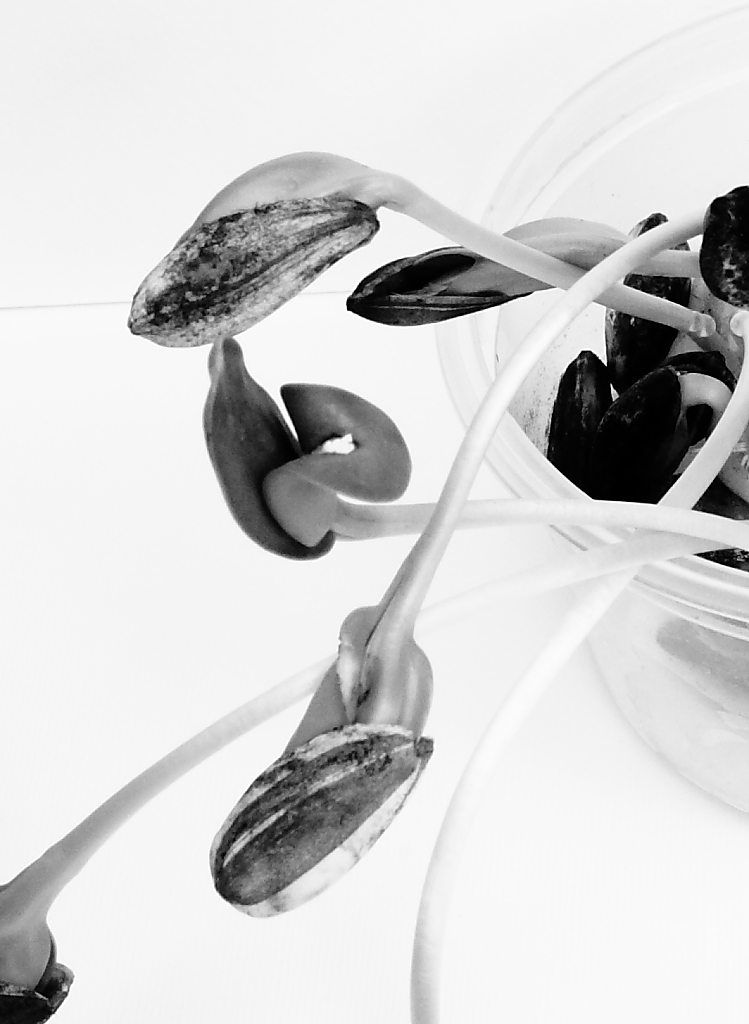
A reasonable general refrigerated quality target for microgreens is about 5–7 days, but that is not a guarantee or a sunflower-specific home-storage trial result. Actual shelf life depends on how quickly the greens were chilled, their condition at harvest, refrigerator temperature, handling, and moisture in the container. FDA; University of Florida IFAS Extension
The Sunflower-Specific Storage Priorities
Sunflower microgreens are perishable fresh greens, so prompt chilling matters more than any single container trick. Sunflower-specific postharvest research supports the importance of cold storage, but the studies used controlled packaging systems that are not the same as a household container.
Refrigerate promptly and verify the temperature
The FDA advises consumers to keep perishable produce in a clean refrigerator at 40°F or below. If you are uncertain about your refrigerator’s temperature, use an appliance thermometer rather than relying only on the refrigerator dial. FDA refrigerator thermometer guidance
In a controlled study of sunflower microgreens stored in specialized packaging, quality outcomes were better at 4°C than at 12°C under the tested conditions. That does not establish a particular home container as best, but it reinforces the most useful household step: refrigerate the greens soon after harvest or purchase. Azarpazhooh et al.
Cold storage does not sterilize produce or kill all bacteria. However, keeping perishable greens cold helps slow bacterial growth that can occur when produce is held too warm for too long. FDA
Handle harvested greens gently
Harvest with clean hands and clean scissors, shears, or a knife. Avoid compressing the greens into a small container or placing heavy items on top of them in the refrigerator. Clean harvest tools are an important part of good postharvest handling, although they cannot make fresh produce risk-free. Virginia Cooperative Extension
Before storing, remove greens that are visibly damaged, crushed, or already deteriorating. This is a quality measure; it does not prove that the remaining greens are free of harmful microbes.
Remove loose seed hulls if you prefer
If loose hulls are present and you prefer to remove them, do so with clean hands before storage or serving.
Removing loose hulls can make the greens easier to use, but the available cited research does not show that hull removal itself extends refrigerator shelf life.
Best Home Storage Setup for Sunflower Microgreens
The available extension guidance and cited research do not establish one universal best home-storage method for sunflower microgreens. Extension sources vary: some recommend a ventilated plastic container, while others suggest a paper towel and plastic bag. University of Florida IFAS Extension; Purdue Extension; Oregon State University Extension
The practical goal is to keep the greens cold, protect them from physical damage, and manage moisture without letting them either sit in water or dry out excessively.
Use a clean, protective container
Use a clean food-storage container that leaves enough room for the greens without crushing them. An intact clamshell from a purchased product can also be a reasonable practical option if it is clean and the greens remain refrigerated.
Avoid unnecessary transferring and handling, especially if the greens are already packed in a container that protects them from being compressed.
Manage moisture without over-drying
Check the greens periodically during storage. Two moisture extremes can reduce quality:
- Pooled water or heavy condensation: Excess free water can contribute to faster breakdown and an unpleasant texture.
- Excess drying: Greens can wilt and lose their crispness.
If you see pooled water or a liner becomes very wet, gently remove the excess moisture and replace the liner if one is being used. This is a practical handling step, not a scientifically proven sunflower-specific storage formula.
Is a paper towel necessary?
A paper towel is optional. It may help manage moisture in some containers, but the available extension guidance and cited research do not establish a universal best paper-towel method for sunflower microgreens.
If you use one, monitor it. Do not leave the greens sitting in water, and replace a liner that becomes saturated. The best setup may vary with the greens’ starting moisture and your refrigerator’s humidity.
Should You Wash Sunflower Microgreens Before Storing?
Default: store unwashed, rinse before eating
For homegrown or purchased sunflower microgreens that are clean-looking and not labeled ready-to-eat, the usual storage-life default is to keep them unwashed until shortly before eating. Penn State Extension notes that washing microgreens before sale can decrease postharvest life, and Purdue Extension advises rinsing them immediately before use. Penn State Extension; Purdue Extension
Washing before storage adds surface moisture. If the greens are not dried thoroughly afterward, that moisture can complicate storage.
If the greens are visibly soiled and need to be rinsed before storage, rinse them under plain running water, dry them as gently and thoroughly as possible, and refrigerate them promptly.
Follow the package label for pre-washed greens
If purchased sunflower microgreens are labeled “pre-washed” or “ready-to-eat,” FDA guidance says they can be used without additional washing. Follow any handling instructions on the package. FDA
Do not assume that all packaged microgreens are pre-washed. Check the label rather than relying on the type of container.
How to rinse sunflower microgreens before eating
For greens that are not labeled pre-washed or ready-to-eat:
- Wash your hands and use a clean colander or clean hands to hold a small portion of greens.
- Rinse the microgreens under cool, plain running water.
- Shake off excess water and dry gently before serving, if desired.
FDA recommends washing fresh produce, including homegrown produce, under running water before preparing or eating it. Washing can reduce bacteria, but it does not eliminate all bacteria from produce. FDA
Do not use soap or commercial produce washes
Do not wash sunflower microgreens with soap, detergent, or commercial produce washes. The FDA does not recommend these products for fresh fruits and vegetables. FDA
Specialized treatments involving ethanol, organic acids, ozone, UV-C, or similar approaches have been studied in some postharvest research settings. They are not standard household storage methods and are not necessary for ordinary home handling. Dalal et al.
How Long Do Sunflower Microgreens Last After Harvest?
A realistic household expectation: about 5–7 days
For properly refrigerated microgreens, about 5–7 days is a reasonable general quality expectation. University of Florida IFAS Extension states that microgreens generally keep about 5–6 days under refrigeration, while Purdue Extension gives a 5–7-day estimate for its recommended storage approach. University of Florida IFAS Extension; Purdue Extension
Treat this range as a practical target, not an expiration-date promise. Some batches will decline sooner, while others may remain acceptable longer.
What affects shelf life?
Sunflower microgreens may keep longer or shorter depending on:
- the actual temperature of the refrigerator;
- how quickly they were chilled after harvest or purchase;
- their starting condition;
- bruising, crushing, or other physical damage;
- excess surface moisture or condensation;
- the container’s moisture and airflow conditions.
Greens that were warm, wet, or damaged before refrigeration may not keep as well as greens that were cooled promptly and handled carefully.
Why 15-day research results do not apply at home
A sunflower-microgreen study reported storage for up to 15 days under controlled modified-atmosphere packaging conditions. The study used specialized packaging films, controlled storage temperatures, and experimental packaging systems designed to influence the internal atmosphere around the greens. Azarpazhooh et al.
That research is useful because it shows that temperature, packaging atmosphere, and moisture retention can influence sunflower microgreen quality. It does not mean sunflower microgreens will last 15 days in a standard household clamshell, bag, jar, or storage container.
Earlier sunflower-microgreen research also tested postharvest treatments under controlled study conditions. Those findings should not be interpreted as at-home treatment instructions or as a reason to expect unusually long storage life in a home refrigerator. Dalal et al.
What Sunflower-Specific Postharvest Research Means at Home
| Research finding | Practical takeaway for home storage |
|---|---|
| Sunflower microgreens are highly perishable after harvest. | Refrigerate them promptly and handle them gently. |
| In a controlled packaging study, quality outcomes were stronger at 4°C than at 12°C under the tested conditions. | Keep greens consistently refrigerated at 40°F (4.4°C) or below. |
| Packaging atmosphere and moisture retention affected quality in experimental systems. | Use a clean, protective container and monitor for excess condensation. |
| Specialized packaging supported extended storage in research. | Do not treat a 15-day research result as a household shelf-life promise. |
| Experimental postharvest treatments have been studied. | Do not attempt specialized chemical or processing treatments at home without authoritative instructions. |
Sources for the research findings: Azarpazhooh et al. and Dalal et al.. Food-safety temperature context: FDA. General refrigerated shelf-life context: University of Florida IFAS Extension.
The practical conclusion is simple: prompt, consistent refrigeration is well supported; one perfect household container method is not.
When to Discard Sunflower Microgreens
Discard sunflower microgreens if they have clear signs of deterioration, such as:
- visible mold;
- sliminess;
- severe tissue breakdown;
- a clearly unpleasant or off odor.
Severe wilting may be primarily a quality issue, but it is reasonable to discard greens that are no longer appealing or are clearly deteriorated.
Appearance and smell cannot confirm that fresh greens are safe. Food can sometimes cause illness even when it does not look, smell, or taste spoiled. Proper refrigeration, clean handling, and appropriate washing or package-label instructions remain important for both homegrown and purchased microgreens. FDA
Are Sunflower Microgreens the Same as Sprouts?
No. Sunflower microgreens should not be treated as interchangeable with sprouts under the FDA’s regulatory framework.
Microgreens are generally harvested above the growing medium after developing stems and seed leaves, while sprouts are typically consumed with the seed and root. The distinction matters because sprouts have separate food-safety requirements under FDA rules. FDA sprout guidance
That difference does not mean raw microgreens have no food-safety considerations. Like other fresh produce, sunflower microgreens should be handled with clean hands and tools, kept cold, and washed before eating when they are not labeled pre-washed or ready-to-eat.
Frequently asked questions
Research & Further Reading
Food safety and consumer handling
- U.S. Food and Drug Administration — Selecting and Serving Produce Safely
- U.S. Food and Drug Administration — Refrigerator Thermometers: Cold Facts about Food Safety
- U.S. Food and Drug Administration — Recommendations for the Temperature Control of Cut Leafy Greens During Storage and Display
- U.S. Food and Drug Administration — Guidance for Industry: Standards for the Growing, Harvesting, Packing, and Holding of Sprouts for Human Consumption
Sunflower-specific postharvest research
- Azarpazhooh, E., et al. — Modified atmosphere packaging of sunflower microgreens (Helianthus annuus) for quality and postharvest shelf-life extension
- Dalal, N., et al. — Post-harvest quality of sunflower microgreens as influenced by organic acids and ethanol treatment
Extension guidance
- University of Florida IFAS Extension — Microgreens
- Penn State Extension — Growing Microgreens
- Purdue Extension FoodLink — Microgreens
- Virginia Cooperative Extension / Virginia Tech — Introduction to Microgreen Production in Indoor Vertical Farms and Greenhouses
- Oregon State University Extension — Microgreens
Company/product information only
The following links provide company and product information; they are not scientific or food-safety evidence.
- Andi’s Way — Fresh Organic Sunflower Greens
- Andi’s Way — Fresh Organic Microgreens Collection
Related guides
How to Store Microgreens and How Long They Last
Learn how to store microgreens: refrigerator temperature, moisture control, containers, washing guidance, food safety, and shelf-life expectations.
11 min read
How to Store Pea Shoots After Harvest
Learn how to store freshly harvested pea shoots: the best refrigerator temperature, moisture balance, washing timing, containers, shelf life, and spoilage signs.
11 min read
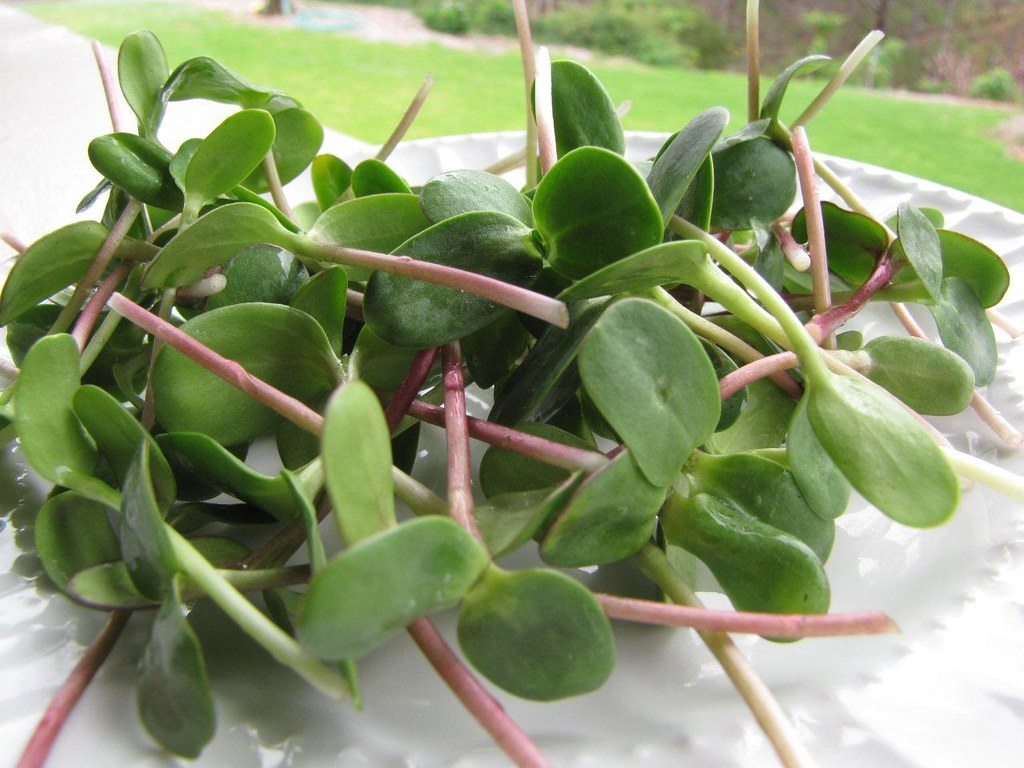
Sunflower Sprouts vs. Sunflower Microgreens: What’s the Difference?
Learn how sunflower sprouts and sunflower microgreens differ in growth stage, harvest method, texture, uses, and raw-food safety considerations.
13 min read
Stay in the loop
New guides, when they publish
An occasional email when a new guide goes live. No spam.
Your email is stored privately for future guide updates. No emails are being sent yet. Privacy policy