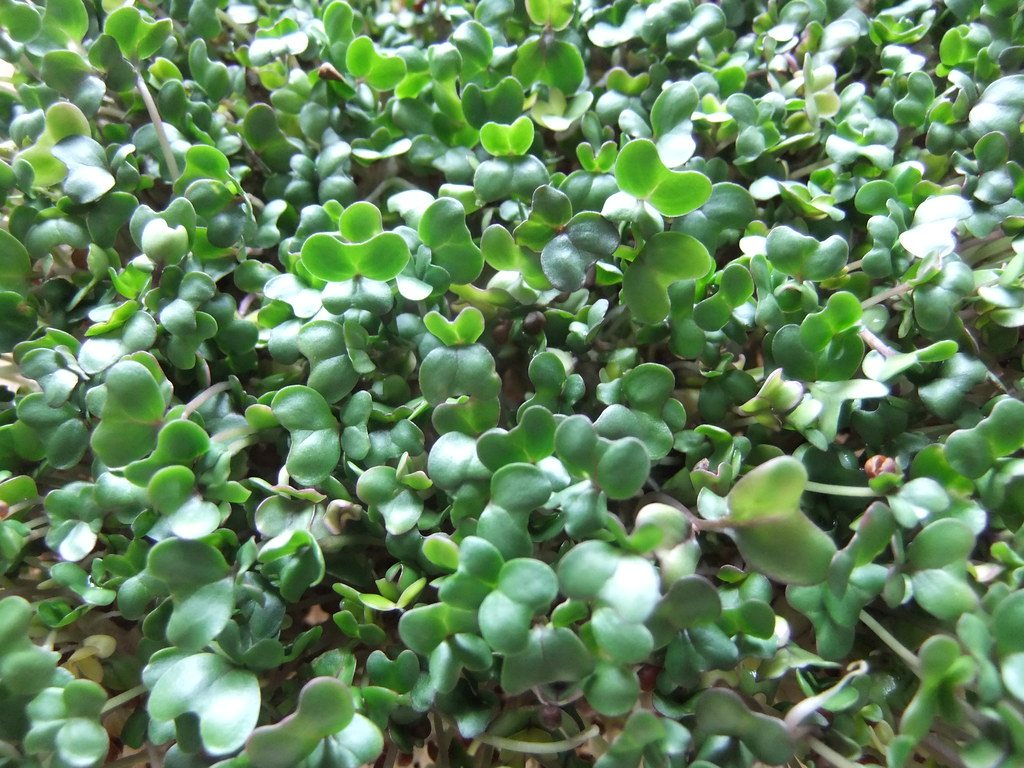
Broccoli microgreens grow well indoors in a shallow tray of moist soilless growing medium. Spread the small seeds evenly, keep the medium moist without saturating it, provide bright light and gentle airflow after emergence, and harvest when the cotyledons are fully open and the first true leaves are starting to appear.
Many broccoli microgreen trays are ready in about one to two weeks, but growing conditions and seed lots vary. Use leaf development—not a fixed day count—as your main harvest guide. University of Maryland Extension
Broccoli microgreens are not the same as broccoli sprouts. Microgreens are generally grown in a tray with a growing medium and cut above it at a later, leafier stage. Sprouts are usually eaten younger and are often grown in jars or sprouting systems. U.S. Food and Drug Administration
Broccoli Microgreens at a Glance
| Factor | Beginner starting point | Important caveat |
|---|---|---|
| Growing method | Shallow tray with moist soilless medium | Dense garden soil is poorly suited to shallow indoor trays. |
| Seed soaking | Skip soaking for your first tray | Soaking is not required, but it is not necessarily wrong in every setup. |
| Seed density | Start with about 12–15 grams per 10-by-20-inch tray | Adjust based on germination, crowding, airflow, and stem thickness. |
| Germination | Use a temporary cover and check it regularly | There is no single correct blackout schedule. |
| Light | Bright window or, more consistently, a grow light on a timer | Fixture intensity affects the best distance from the crop. |
| Watering | Keep medium moist, not saturated | Do not leave excess water standing in the lower tray. |
| Harvest | Open cotyledons with first true leaves beginning to emerge | Harvest by crop stage rather than a fixed number of days. |
What You Need to Grow Broccoli Microgreens
Essential supplies
A basic home setup can be simple. You will need:
- Broccoli seed intended for edible microgreen or sprout production
- A shallow tray with drainage holes
- An undrained lower tray for optional bottom watering
- Lightweight soilless growing medium
- Potable water
- Clean scissors or a clean knife
- A clean second tray or cover for germination
- Optional grow light and timer
- Optional small fan for gentle airflow
A lightweight soilless mix is usually easier to manage than garden soil in a shallow indoor tray. It drains more predictably and is less likely to compact around densely sown seedlings. For a short microgreen crop in an appropriate medium, fertilizer is usually unnecessary because the young plants rely largely on seed reserves for early growth. University of Maryland Extension
Choose seed intended for edible growing
Choose broccoli seed specifically sold for edible microgreen or sprout production. If you are considering another type of seed, confirm with the supplier that it is intended for edible use and has not been treated with pesticides, fungicides, or other chemicals not intended for food production.
Labels such as “organic,” “sprouting,” or “microgreen” do not guarantee that seed is free of pathogens. Clean handling, potable water, appropriate moisture management, and refrigerated storage still matter when growing a crop that is commonly eaten raw. FDA sprout guidance and a food-safety review of microgreens
Do not rely on a household seed treatment as a guarantee that seeds or finished microgreens are safe to eat. No simple home method can eliminate all potential contamination risks in seed, water, equipment, growing media, handling, or storage. Microgreens: Nutrition, Food Safety, and Shelf Life
Step-by-Step: How to Grow Broccoli Microgreens in a Tray
1. Clean the trays, tools, and work area
Wash your hands before handling seed, trays, growing medium, or harvested greens. Begin with clean trays, clean tools, potable water, and a clean work surface.
Broccoli microgreens are commonly eaten raw, so cleanliness is part of the growing process—not just something to consider at harvest. The FDA recommends washing hands, cleaning food-contact surfaces, and handling home-grown produce carefully. FDA: Selecting and Serving Produce Safely
2. Fill and level the tray with moist soilless medium
Fill the drained tray with a shallow, even layer of lightweight soilless growing medium. Level the surface so seeds can make similar contact with the medium across the tray.
Moisten the medium before sowing. It should be evenly damp, not muddy, dripping, or covered with pooled water. A useful practical test is that the medium should hold together when gently squeezed without releasing a stream of water.
Avoid dense garden soil for this application. In a shallow tray, it may compact and make moisture more difficult to manage. University of Maryland Extension
3. Measure and sow the broccoli seed evenly
Broccoli seed is small, so an even sowing pattern makes a noticeable difference. Dense sowing is normal for microgreens, but pronounced piles of seed can create uneven growth and reduce airflow around the stems.
For a standard 10-by-20-inch tray, start with approximately 12–15 grams of broccoli seed. University of Maryland Extension lists that range as a starting amount for broccoli in a 10-by-20 greenhouse flat. University of Maryland Extension
A controlled broccoli microgreen study used a defined seed density under specific indoor research conditions, but that does not establish one ideal amount for every home tray. Seed variety, germination rate, the usable area inside your tray, medium, temperature, lighting, and desired stem thickness can all change the result. Differential Effects of Low Light Intensity on Broccoli Microgreens Growth and Phytochemicals
For your first tray:
- Scatter the seed evenly over the moist surface.
- Avoid large clumps and wide bare patches.
- Gently press the seeds into the medium for good contact.
- Do not bury broccoli seed deeply.
If your tray looks crowded, stays too damp, or develops weak stems, use less seed next time. If it has too many bare spots despite good germination, increase the amount slightly.
4. Germinate under a temporary cover
For a first broccoli microgreen tray, it is reasonable to sow dry seed rather than soak it first. Broccoli seed generally germinates readily in warm, moist conditions, and soaking is not required for the standard tray-growing method. University of Maryland Extension
Place a clean second tray or other temporary cover over the sown tray to help retain moisture and warmth during germination. Check it regularly rather than leaving it sealed and unattended.
Vent or remove the cover when:
- Seedlings begin lifting it
- Condensation becomes heavy
- The medium appears overly wet
- The tray smells stale or remains persistently humid
Some growers use a brief blackout period to encourage longer stems, but it is optional. There is no universal number of blackout days for broccoli microgreens because temperature, moisture, seed lot, and crop growth rate vary. University of Maryland Extension
5. Move the tray into light and gentle airflow
Once seedlings emerge, move the tray into bright light.
A bright window can work in some homes, but a grow light on a timer generally produces more consistent indoor results. University of Maryland Extension suggests about 16 hours of daily light as a practical starting point for microgreens under artificial lighting. University of Maryland Extension
The ideal distance between the fixture and the crop depends on the light’s intensity and heat output. Watch the plants and adjust gradually:
- Tall, pale growth can indicate that light is too weak or too far away.
- Uneven growth may point to uneven lighting across the tray.
- Pale, dry, or stressed-looking plants may be reacting to excessive light intensity or heat, among other conditions.
Controlled broccoli microgreen research shows that light conditions can affect plant growth characteristics. That is one reason observation and small adjustments are more useful than a rigid lighting formula for every home setup. Differential Effects of Low Light Intensity on Broccoli Microgreens Growth and Phytochemicals
Add gentle nearby airflow if possible. A small fan that circulates air around the growing area can help manage persistent dampness. Avoid aiming high-force airflow directly at delicate seedlings. University of Maryland Extension
6. Water without waterlogging the tray
The goal is to keep the growing medium evenly moist without keeping it saturated.
During germination, maintain surface moisture gently. Once the roots are established, bottom watering can be useful because it reduces disturbance to the stems and leaves.
To bottom water:
- Place the drained growing tray inside an undrained lower tray.
- Add a modest amount of clean water to the lower tray.
- Let the medium draw water upward through the drainage holes.
- Remove or drain excess water after the medium has absorbed what it needs.
Do not leave the growing tray sitting in standing water for extended periods. University Extension guidance recommends keeping the medium moist rather than saturated. University of Maryland Extension
Review your watering approach if you notice:
- Medium that remains soaked
- Weak or falling seedlings
- Heavy condensation beneath the cover
- Persistent humidity around the crop
- Slimy patches or an off odor
Bottom watering can make irrigation gentler, but it does not prevent mold on its own. Seed density, airflow, tray cleanliness, and overall moisture management all affect the crop.
7. Harvest at the right leaf stage
Harvest broccoli microgreens when the cotyledons—the first pair of seed leaves—are fully open and the first true leaves are beginning to emerge.
This stage often arrives within about 7–14 days, but the calendar is only a planning estimate. Growth can be faster or slower depending on seed variety, temperature, light, and moisture. Broccoli Microgreens: A Mineral-Rich Crop That Can Diversify Food Systems
Use clean scissors or a clean knife to cut the greens just above the growing medium. Avoid pulling up the roots, which can bring medium into the harvest. University of Maryland Extension
Broccoli microgreens are generally a one-cut crop. Do not expect a productive second harvest after cutting.
Broccoli Microgreens Troubleshooting
Patchy germination
If some areas are crowded while others are bare, check how evenly you sowed and watered the tray.
Common causes include:
- Uneven seed distribution
- Seed clumps in some areas
- Dry patches in the growing medium
- Uneven seed-to-medium contact
- Temperature differences across the tray
- Poor germination in the seed lot
For the next tray, focus on leveling the medium, spreading the seed evenly, and gently pressing seed into the surface.
Tall, pale, or floppy stems
Tall, pale, weak broccoli microgreens often point to environmental conditions rather than a need for fertilizer.
Review:
- Whether light is bright and even enough
- Whether the light is too far from the crop
- Whether the tray stayed covered too long
- Whether the growing area is excessively warm
- Whether the medium is staying too wet
- Whether the crop is overcrowded
- Whether airflow is limited
Move the tray into bright light after emergence, avoid extending the covered stage unnecessarily, and correct one growing condition at a time.
Mold, sliminess, or persistent excess moisture
A damp, crowded tray with limited airflow is more difficult to manage. Common contributors include:
- Waterlogged medium
- A cover left on too long without venting
- Stagnant air
- Excessively dense sowing
- Poorly cleaned trays or tools
Fine white growth near the root zone can sometimes be difficult to distinguish from mold. If you are unsure, avoid treating uncertain growth as harmless—especially if the crop has an off odor, slime, discoloration, or spreading fuzzy growth.
Food-safety note: If the crop is slimy, foul-smelling, discolored, rotten-looking, or clearly moldy, discard it rather than trying to rinse, trim, or otherwise rescue it for raw eating. FDA consumer guidance advises discarding produce that looks rotten, and food-safety reviews identify multiple potential contamination pathways for microgreens. FDA: Selecting and Serving Produce Safely Microgreens food-safety review
Seed hulls stuck on the leaves
Broccoli seed hulls may occasionally cling to emerging leaves. Avoid aggressive handling that can damage the delicate stems.
After the cotyledons open, many hulls loosen naturally. If hulls remain at harvest, rinse the greens thoroughly under clean running water before eating, then dry them well.
Do not use chemical treatments or unverified sanitizing solutions on a growing tray to solve stuck hulls.
Broccoli Microgreens vs. Broccoli Sprouts
| Broccoli microgreens | Broccoli sprouts |
|---|---|
| Usually grown in a shallow tray with a growing medium | Often grown in jars or sprouting systems |
| Harvested at a later, leafier stage | Usually eaten at an earlier stage |
| Cut above the growing medium | May include seed and root structures, depending on the growing method |
| Raw produce requiring careful handling | Also require careful food-safety practices |
This guide covers tray-grown broccoli microgreens, not jar-grown broccoli sprouts.
Microgreens are not automatically risk-free simply because they are not sprouts. Both are raw foods, and careful handling matters for each. FDA sprout guidance
Harvesting, Washing, and Storing Broccoli Microgreens
Harvest cleanly
Use clean scissors or a clean knife to cut broccoli microgreens just above the growing medium. Keeping roots and growing medium out of the harvest makes the greens easier to wash and store.
Harvest only what you expect to use soon when practical. This can reduce unnecessary handling of the remaining tray.
Wash and refrigerate carefully
Before eating home-grown broccoli microgreens, rinse them thoroughly under clean running water. FDA consumer guidance recommends washing all produce, including produce grown at home, before eating it. Washing helps reduce surface contamination but does not eliminate all food-safety risk. FDA: Selecting and Serving Produce Safely
After washing:
- Dry the greens well with a clean salad spinner, paper towel, or other clean method.
- Place them in a clean storage container.
- Refrigerate promptly.
- Use them while they remain dry, fresh-looking, and free of off odors or visible spoilage.
University of Maryland Extension notes that rinsed and dried microgreens may be refrigerated for up to 10 days under appropriate conditions. Treat that as an upper guideline rather than a guarantee. Actual storage life depends on harvest handling, moisture, refrigeration temperature, and the condition of the greens. University of Maryland Extension
Food-Safety Basics for Raw Broccoli Microgreens
Broccoli microgreens are raw produce, so basic food-safety practices belong in every home-growing routine.
- Wash hands before handling seed, trays, and harvested greens.
- Clean trays, tools, and work surfaces before use.
- Use potable water.
- Keep the growing medium moist without allowing it to remain saturated.
- Provide gentle airflow after emergence.
- Choose seed intended for edible growing, but do not assume a label guarantees that seed is pathogen-free.
- Do not rely on household seed treatments as a guarantee of safety.
- Rinse microgreens under clean running water before eating.
- Dry washed greens well and refrigerate them promptly.
- Discard crops that are slimy, foul-smelling, discolored, rotten-looking, or clearly moldy.
People who are pregnant, older adults, young children, or immunocompromised may face a higher risk of serious foodborne illness. They should use particular care with raw produce and may wish to discuss individualized food-safety choices with a healthcare professional. FDA: People at Risk of Foodborne Illness
FAQ
Research & Further Reading
University, government, and scholarly sources
University of Maryland Extension — Growing Microgreens and Baby Greens Indoors https://extension.umd.edu/resource/growing-microgreens-and-baby-greens-indoors
Penn State Extension — A Step-by-Step Guide for Growing Microgreens at Home https://extension.psu.edu/a-step-by-step-guide-for-growing-microgreens-at-home
Penn State Extension — Growing Microgreens https://extension.psu.edu/growing-microgreens
U.S. Food and Drug Administration — Guidance for Industry: Standards for the Growing, Harvesting, Packing, and Holding of Sprouts for Human Consumption https://www.fda.gov/media/102430/download
U.S. Food and Drug Administration — Selecting and Serving Produce Safely https://www.fda.gov/food/buy-store-serve-safe-food/selecting-and-serving-produce-safely
U.S. Food and Drug Administration — People at Risk of Foodborne Illness https://www.fda.gov/food/consumers/people-risk-foodborne-illness
Agronomy — Differential Effects of Low Light Intensity on Broccoli Microgreens Growth and Phytochemicals https://www.mdpi.com/2073-4395/11/3/537
National Library of Medicine, PubMed Central — Broccoli Microgreens: A Mineral-Rich Crop That Can Diversify Food Systems https://pmc.ncbi.nlm.nih.gov/articles/PMC5362588/
PubMed — Microgreens: Nutrition, Food Safety, and Shelf Life https://pubmed.ncbi.nlm.nih.gov/32144769/
Institute of Food Technologists — Full text: Microgreens: Nutrition, Food Safety, and Shelf Life https://ift.onlinelibrary.wiley.com/doi/full/10.1111/1750-3841.15049
Company and product information only — not scientific evidence
Andi’s Way — Organic Broccoli Microgreen Seeds https://andisway.com/products/broccoli-microgreen-seeds
Andi’s Way — Organic Microgreen Seeds and Beans Collection https://andisway.com/collections/organic-microgreen-seeds
Andi’s Way — Growing Trays: 10-by-20 Flats With or Without Drain Holes https://andisway.com/products/growing-trays-with-drain-holes
Related guides
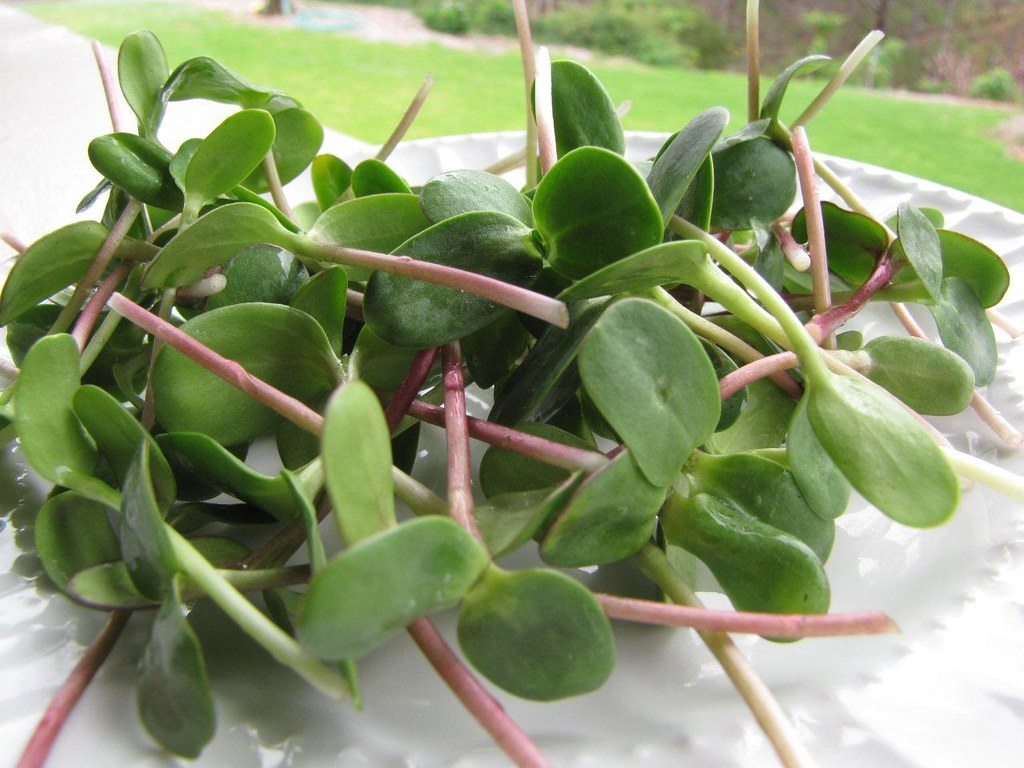
Sunflower Sprouts vs. Sunflower Microgreens: What’s the Difference?
Learn how sunflower sprouts and sunflower microgreens differ in growth stage, harvest method, texture, uses, and raw-food safety considerations.
13 min read
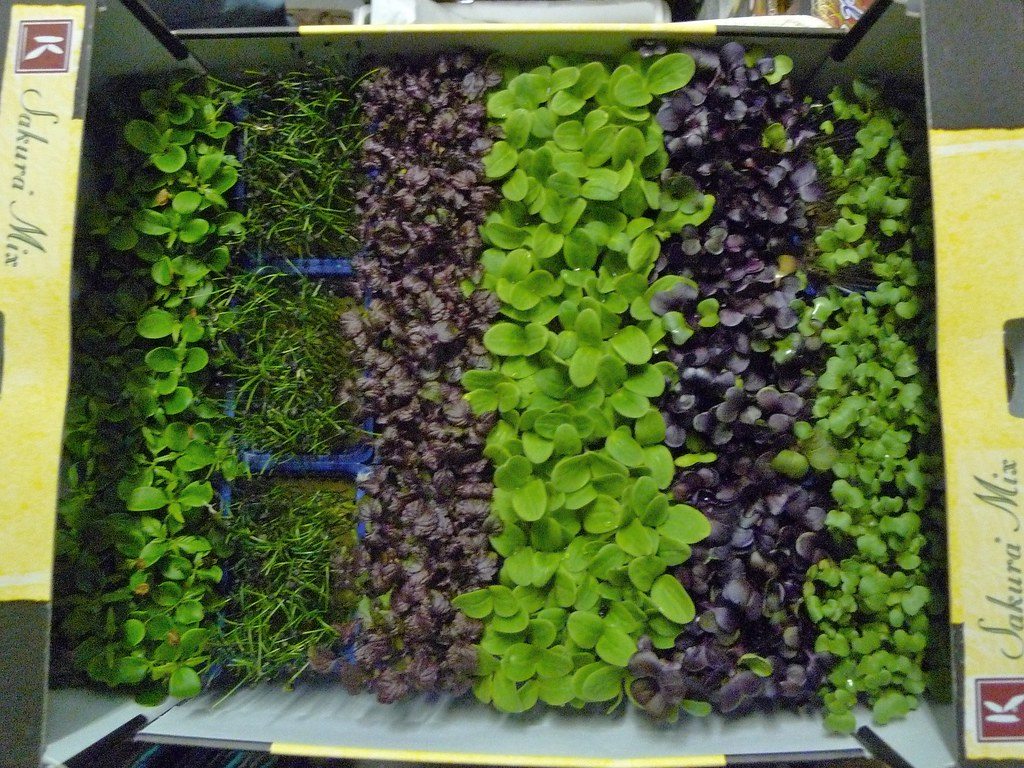
Best Microgreens for Beginners: Radish, Broccoli, Pea, or Sunflower?
Compare radish, broccoli, pea, and sunflower microgreens by seed prep, harvest time, flavor, and beginner-friendliness to choose your first tray.
10 min read
Speckled Pea Seeds for Microgreens: Why Growers Use Them
Learn why growers use speckled pea seeds for pea shoots and microgreens, what to check before buying, and why seed quality matters more than the label alone.
13 min read
Stay in the loop
New guides, when they publish
An occasional email when a new guide goes live. No spam.
Your email is stored privately for future guide updates. No emails are being sent yet. Privacy policy