Buying & Storage · Fresh Wheatgrass Storage, Freshness, and Shipping
Does Fresh Wheatgrass Need Refrigeration?
Yes. If you are asking, “does wheatgrass need refrigeration?” the answer is yes: fresh wheatgrass that has been harvested, cut, bagged, or purchased in fresh packaging should be refrigerated promptly. Store it in a refrigerator maintained at 40°F (4.4°C) or below rather than keeping it routinely on the kitchen counter.
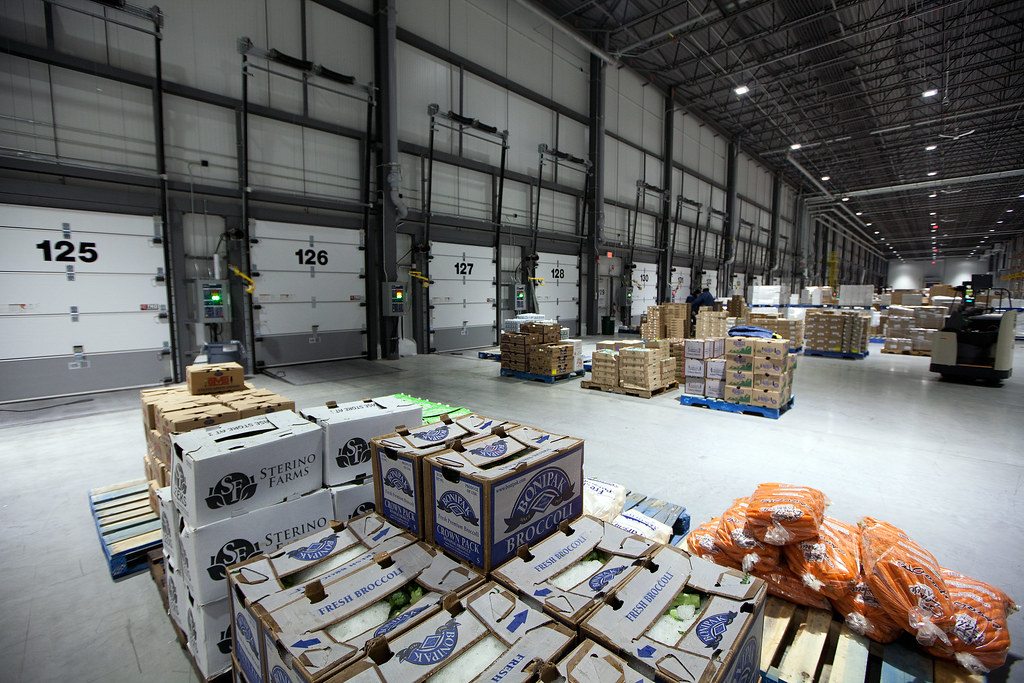
Yes. If you are asking, “does wheatgrass need refrigeration?” the answer is yes: fresh wheatgrass that has been harvested, cut, bagged, or purchased in fresh packaging should be refrigerated promptly. Store it in a refrigerator maintained at 40°F (4.4°C) or below rather than keeping it routinely on the kitchen counter. FDA produce-storage guidance
This applies to harvested wheatgrass. A tray that is still growing belongs in its normal growing environment until harvest. Freshly juiced wheatgrass is a separate perishable product that should be chilled promptly and handled according to juice-specific storage instructions. Cores Rodríguez et al., 2022
Why Fresh Wheatgrass Should Be Refrigerated
It Is Perishable Plant Material Once Cut
Once wheatgrass is harvested, it is perishable raw plant food. Like leafy greens generally, it is best kept cold to help slow water loss, wilting, and overall quality deterioration. USDA postharvest guidance for leafy vegetables supports keeping them as cold as possible without freezing. USDA postharvest storage guidance
There is limited temperature-specific research on intact, harvested wheatgrass blades. That means there is no well-established universal timeline for exactly how long wheatgrass remains usable at a particular temperature. Still, the practical storage recommendation is clear: refrigerate it.
Cold Storage Also Helps Limit Microbial Growth
Refrigeration matters for food safety as well as freshness. If microorganisms are present on raw produce, warmer conditions can allow them to multiply more readily.
Cold storage is not a sterilization step, however. Refrigeration does not kill all bacteria or remove contamination already present. It is one part of safer raw-produce handling, along with clean hands, clean equipment, proper washing when appropriate, and preventing cross-contamination. FDA produce-safety guidance
What Temperature Should Fresh Wheatgrass Be Stored At?
Keep It at 40°F (4.4°C) or Below
For home storage, keep fresh wheatgrass in a refrigerator at 40°F (4.4°C) or below. FDA guidance recommends refrigerating perishable vegetables and all produce sold pre-cut or packaged at that temperature. A refrigerator thermometer is more reliable than relying only on the appliance’s dial or display. FDA produce-storage guidance
As a related food-service comparison, FDA guidance uses 41°F (5°C) or below as a storage and display benchmark for cut leafy greens. This is useful context for fresh-cut plant foods, but it does not automatically establish a legal classification for every harvested wheatgrass product. FDA cut leafy greens guidance
Keep It Cold, but Avoid Accidental Freezing
Fresh wheatgrass should be refrigerated, not deliberately frozen for routine fresh use. Freezing can damage leafy plant tissue. After thawing, blades may look limp, soft, or water-soaked, which can make them less appealing to juice or use. Leafy vegetables vary in their freezing sensitivity, so 32°F (0°C) should be treated as a practical freezing point reference rather than a precise wheatgrass-specific cutoff. USDA postharvest storage guidance
- Keep the package away from freezer walls and ice-maker areas.
- Do not place it directly in front of a very cold refrigerator vent.
- Avoid letting partially frozen foods press against it.
- Check your refrigerator’s cold spots if it has frozen produce before.
Freezing-related damage is mainly a quality concern. It does not, by itself, determine whether a food is safe; consider the product’s condition, temperature history, and package instructions.
Can Fresh Wheatgrass Sit Out at Room Temperature?
Brief Use Is Different From Counter Storage
It is reasonable to take wheatgrass out briefly while preparing or juicing it. That is different from storing the package on the counter for hours.
A practical approach is to remove only the amount you plan to use and return the remainder to the refrigerator promptly. Do not leave the whole package out while preparing other foods, cleaning the kitchen, or running errands.
What About a Warm Kitchen, Car, Porch, or Mailbox?
FDA’s conservative general guidance for refrigerated perishables is to limit time at room temperature to no more than two hours, or one hour when the air temperature is above 90°F (32°C). This is general food-safety guidance, not a wheatgrass-specific study showing that wheatgrass becomes unsafe at an exact time. FDA refrigerator and food-safety guidance
A parked car can become much hotter than the outdoor temperature, and sunny porches, mailboxes, and delivery areas may also get substantially warmer than an air-conditioned kitchen. Refrigerate fresh wheatgrass as soon as possible and do not assume that returning it to the refrigerator reverses an extended warm exposure.
How to Store Fresh Wheatgrass in the Refrigerator
Keep It Clean, Protected, and Separate From Raw Animal Foods
Store fresh wheatgrass in its clean original packaging or a clean food-storage container. Avoid crushing the blades or placing heavy foods on top of them.
Keep it away from raw meat, poultry, seafood, and any drips from those foods. This helps reduce the chance of cross-contamination in the refrigerator. FDA produce-safety guidance
Storage do's and avoids
| Do | Avoid |
|---|---|
| Refrigerate promptly after harvest, purchase, or delivery | Routine counter storage |
| Keep the refrigerator at 40°F (4.4°C) or below | Storage near raw meat, poultry, seafood, or their drips |
| Use clean packaging or a clean container | Crushing the blades under heavy foods |
| Keep the package away from icy vents and freezer walls | Accidental freezing |
| Return unused wheatgrass to the refrigerator promptly | Leaving it in a hot car or sunny delivery area |
Should You Wash Wheatgrass Before Refrigerating It?
Follow the package label first. If wheatgrass is labeled pre-washed or ready-to-eat, follow the producer’s handling instructions.
If it is not labeled pre-washed or ready-to-eat, rinse it under clean running water before juicing or eating. Use clean hands, a clean juicer, clean cutting boards, and clean containers.
Do not wash wheatgrass with:
- Soap
- Detergent
- Bleach
- Commercial produce washes
FDA advises against using soap, detergent, or commercial produce washes on produce. CDC guidance also advises against using bleach solutions and other cleaning or disinfecting products on fruits and vegetables. FDA produce-washing guidance CDC fruit and vegetable safety guidance
Rinsing produce can reduce bacteria, but it does not eliminate all contamination. Refrigeration and clean handling are still important after washing.
Does a Growing Tray of Wheatgrass Need Refrigeration?
No—not before harvest.
A tray of wheatgrass that is still growing is living plant material and should remain in its normal growing environment until it is ready to cut. Once the wheatgrass is harvested from the tray, treat it as fresh produce and refrigerate it promptly.
Does Refrigeration Make Wheatgrass Safe?
No. Refrigeration is an important handling step, but it does not sterilize raw wheatgrass or remove contamination that may already be present.
Use refrigeration as one layer of a broader safe-handling routine:
- Keep harvested wheatgrass cold.
- Wash hands and clean equipment before preparing it.
- Keep it separate from raw animal foods and their drips.
- Follow package directions for storage and washing.
- Do not use soap, detergent, bleach, or commercial produce washes on the grass.
Like other raw produce, wheatgrass can be exposed to microorganisms during growing, storage, transportation, or preparation. People who are pregnant, older, immunocompromised, or managing a health condition may wish to ask a clinician for individualized advice about consuming raw produce.
Refrigeration Is Important, but It Is Not the Only Freshness Factor
Storage temperature is one of the most important factors affecting fresh wheatgrass quality, but it is not the only one. Its condition at harvest, packaging, moisture, handling, cross-contamination risk, and any freezing or warm-temperature exposure can also affect how well it holds up.
For that reason, refrigeration should begin as soon as possible after wheatgrass is cut, purchased, or delivered.
Frequently asked questions
Sources & further reading
- U.S. Food and Drug Administration — Selecting and Serving Produce Safelygovernment
- U.S. Food and Drug Administration — Recommendations for the Temperature Control of Cut Leafy Greens During Storage and Display in Retail Food Establishmentsgovernment
- U.S. Food and Drug Administration — Refrigerator Thermometers: Cold Facts About Food Safetygovernment
- U.S. Department of Agriculture, Food Safety and Inspection Service — Refrigeration & Food Safetygovernment
- U.S. Department of Agriculture, Agricultural Research Service — The Commercial Storage of Fruits, Vegetables, and Florist and Nursery Stocksgovernment
- Centers for Disease Control and Prevention — How to Safely Handle Fruits and Vegetablesgovernment
- Cores Rodríguez F, Gallagher E, Rai DK, Burgess CM — Nutritional and physiochemical properties of wheatgrass juice and preservation strategies. Food Chemistry Advances. 2022;1:100136.peer-reviewed study · 1 January 2022
- Andi’s Way — Fresh vs. Frozen — company product information, not nutrition, medical, or food-safety evidenceother
Related guides
What Does “Raw” Mean in Wheatgrass Juice?
Learn what “raw” usually means on wheatgrass juice labels, how it differs from unpasteurized, frozen, and fresh, and which food-safety details to check.
9 min read

How Wheatgrass Is Tested for Mold, Yeast, and Microbes
Learn how wheatgrass and wheatgrass juice are tested for mold, yeast, bacteria, and pathogens—and how to interpret CFU counts, “not detected,” and microbial COA results.
13 min read

Is Fresh Wheatgrass Safe to Ship? What to Check When It Arrives
Fresh wheatgrass can be shipped when it stays cold. Learn what to check on delivery, including temperature, package damage, mold, delays, and when not to use it.
11 min read
Stay in the loop
New guides, when they publish
An occasional email when a new guide goes live. No spam.
Your email is stored privately for future guide updates. No emails are being sent yet. Privacy policy