Wheatgrass · Wheatgrass Formats and Daily Use
How to Build a Daily Wheatgrass Routine: Fresh, Frozen, Powder, or Grow Your Own
A practical daily wheatgrass routine starts with three things: one primary format that fits your life, one dependable daily cue, and one backup for disrupted days.
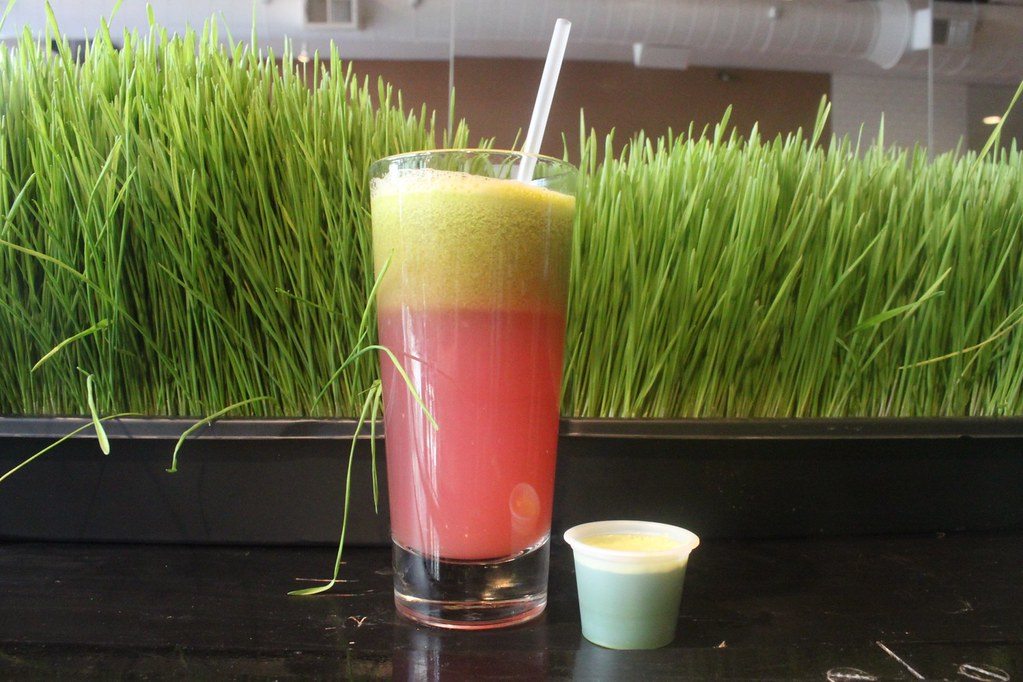
A practical daily wheatgrass routine starts with three things: one primary format that fits your life, one dependable daily cue, and one backup for disrupted days.
The goal is not to build the most elaborate routine. It is to remove the obstacle most likely to make you stop—whether that is morning time, juicer cleanup, freezer space, travel, or the work of growing trays at home.
There is no well-established universal daily wheatgrass amount for healthy adults. Human research has used different preparations, amounts, durations, and medical populations, while the available clinical evidence remains limited. Follow the serving directions for your specific product, consider your own tolerance, and seek individualized guidance from a qualified clinician when appropriate. Source: Bar-Sela et al.
Choose the wheatgrass routine with the fewest recurring obstacles—not the one that looks most impressive on paper.
Start With a Three-Part Daily Wheatgrass Plan
Choose one primary format
Start with one approach rather than trying to juice fresh grass, maintain frozen portions, use powder, and grow trays all at once.
Your primary format might be:
- Fresh wheatgrass: an at-home juicing routine.
- Frozen wheatgrass juice: a freezer-based portion routine.
- Wheatgrass powder: a label-directed routine that may be shelf-stable.
- Home-grown wheatgrass: a rolling schedule of trays, harvests, and preparation.
You can add a second format later if it solves a real problem, such as travel or a temporary supply gap. But one default method is usually easier to organize and repeat.
Attach it to one stable daily cue
A routine is easier to repeat when it happens after something you already do consistently. Instead of deciding each morning when to use wheatgrass, connect it to a dependable event.
Possible cues include:
- Before sitting down for breakfast
- While coffee or tea is brewing
- After returning from a workout
- During a lunch break
- Immediately after arriving home from work
- During an evening kitchen cleanup
Try an if–then plan:
“If I prepare breakfast, then I take out my wheatgrass before I start eating.”
Specific plans for when, where, and how to complete a behavior may support healthy-eating habits. This evidence is not wheatgrass-specific, and it cannot guarantee consistency, but it can reduce daily decision-making. Source: Lin H, Yu P, Yang M, et al.
Keep one backup for disrupted days
A backup is not a sign that your primary routine failed. It is a way to protect the routine when life becomes less predictable.
For example:
- Use fresh wheatgrass at home, with frozen juice or a label-appropriate powder for rushed mornings.
- Keep frozen portions as your primary routine, with powder for travel.
- Grow wheatgrass at home, with another format available for trips, delayed germination, or tray problems.
The best backup is one you can use safely and realistically when your usual kitchen, refrigeration, or schedule is unavailable.
Choose Your Routine Based on the Friction You Need to Remove
Use this table as a routine-fit tool, not a nutrition ranking. Fresh, frozen, and powdered wheatgrass should not automatically be treated as nutritionally interchangeable. Wheat variety, growing conditions, and processing methods can affect measured composition, although laboratory findings do not establish which format produces better health outcomes in people. Sources: Sharma et al. and Devi et al.
Routine-fit comparison
| If your biggest obstacle is… | Routine pattern to consider | Main system to set up | Backup approach |
|---|---|---|---|
| Busy mornings and cleanup | Frozen portions | A visible freezer area and weekly portion count | Powder, if appropriate for the product label |
| Preference for hands-on kitchen preparation | Fresh wheatgrass | Juicer station, cleanup rule, dependable grass supply | Frozen juice or powder |
| Frequent travel or limited cold storage | Powder | Label review, shaker or container, travel packing system | Extra shelf-stable servings |
| Gardening interest and willingness to manage trays | Grow your own | Staggered tray schedule, inspections, harvest planning | Frozen juice or powder |
| An irregular schedule | Flexible hybrid routine | A clear default format and a portable backup | A format suited to your storage situation |
Before choosing, ask yourself:
- What usually causes me to skip similar habits?
- Is my biggest obstacle time, cleanup, storage, travel, cost, or supply?
- Which option removes that obstacle with the fewest added steps?
- What will I use when the usual routine is not possible?
The Fresh Wheatgrass Routine: Make Juicing a Planned Kitchen Task
Fresh wheatgrass may suit people who enjoy hands-on preparation and have a dependable supply of grass, a juicer, and enough time to clean equipment promptly.
Create a fixed juicing window
Avoid building a plan around an ideal, unhurried morning if that is not your normal life. Choose the most predictable part of the day instead.
For example, you might:
- Juice after coffee but before breakfast.
- Juice immediately after an early workout.
- Juice during an evening meal-prep routine.
- Juice after getting home from work.
The best time is not necessarily first thing in the morning. It is the time you can repeat without needing perfect conditions.
Build a one-touch juicing station
Reduce setup friction by keeping the items you need together:
- Juicer
- Collection cup or glass
- Cleaning brush
- Food-safe container, if needed
- Cutting tool or kitchen shears
- Fresh grass, refrigerated until use
Decide where the juicer will be cleaned and dried before you begin. A routine can break down quickly when every use requires finding parts, clearing counter space, and deciding what to do with equipment afterward.
Batch the setup, not necessarily the juice
You can make fresh juicing easier by preparing the non-perishable parts of the routine in advance:
- Wash and dry the juicer after each use so it is ready for the next day.
- Keep the collection cup and brush in the same place.
- Confirm your fresh-grass supply before the week begins.
- Clear a small prep area in advance.
There is limited direct evidence on an exact storage timeline for home-juiced wheatgrass. Use general unpasteurized-juice safety practices: keep it cold, avoid leaving it at room temperature for long periods, and do not make more than you can safely handle and store.
Make immediate cleanup the default rule
A simple rule can prevent tomorrow’s cleanup from becoming tomorrow’s excuse:
Juice, rinse and clean the equipment, then leave the kitchen.
Fresh juicing is often more sustainable when cleanup is part of the same task rather than a separate task to be done later.
Build a busy-day backup
Fresh grass may be your preferred routine, but it does not have to be your only option. Consider a backup for:
- Early meetings
- School-drop-off mornings
- Work travel
- Illness or schedule changes
- Days when you cannot clean a juicer right away
The Frozen Wheatgrass Routine: Use the Freezer as Your System
Frozen wheatgrass juice can suit people who want a portion-based routine without daily juicer cleanup. The key is to organize the freezer and follow the storage and thawing directions for the exact product you use.
Designate one freezer zone
Keep frozen portions together in a visible, dedicated location. Avoid placing them behind large bags, containers, or frozen meals where they can be forgotten.
A workable system might include:
- One basket or bin for wheatgrass portions
- Newer packages behind older ones
- Enough open freezer space for the amount you expect to use
- A quick visual check of remaining portions each week
Count portions by week, not by package
Instead of vaguely noting that you “still have some,” count what remains and compare it with the days you expect to be home.
During a weekly reset, ask:
- How many portions are left?
- How many at-home days are coming up?
- Do I have enough for the next week?
- Do I need a travel backup?
- When should I restock?
Use the serving directions for your individual product rather than assuming every frozen portion or package is intended to be used the same way.
Follow product-specific thawing and storage directions
Frozen wheatgrass products can differ in packaging, storage requirements, and thawing instructions. Follow the manufacturer’s current directions for the specific product you use.
Once a juice is refrigerated, keep it cold. USDA recommends maintaining refrigerators at 40°F (4°C) or below. As a general food-safety practice, refrigerated unpasteurized juice should not be left at room temperature for more than two hours. Sources: USDA Refrigeration & Food Safety and USDA unpasteurized juice guidance
Set a travel rule before leaving home
Frozen products are practical for travel only when you can maintain appropriate cold storage. Before taking frozen juice away from home, decide whether refrigeration will be reliable throughout the trip.
If not, a product that is shelf-stable according to its label may be a more practical backup. Do not assume a frozen item will remain safely cold during a long travel day without suitable temperature control.
The Powder Routine: Make It the Shelf-Stable Option
Powder may be practical for people who travel frequently, have limited cold storage, or prefer a simple beverage-based routine. Powders vary substantially by product, so treat each label as its own set of instructions.
Follow the exact product label
Before making powder your primary or backup routine, check:
- Serving size
- Ingredients
- Storage instructions
- Allergen statements
- Gluten-free claims, if relevant
- Added flavors, sweeteners, or blends
- Whether a scoop or measuring utensil is included
Do not assume all wheatgrass powders have the same ingredients, serving sizes, or storage requirements.
Pair powder with an existing beverage or meal habit
Powder routines often work best when they fit into an existing preparation step, such as:
- A breakfast smoothie
- A post-workout drink
- A shaker bottle prepared at work
- A midday beverage break
- A travel breakfast routine
Choose a beverage or meal you already make regularly. If you use powder only on days when you prepare a complex smoothie, the routine may become too dependent on extra time and ingredients.
Keep a small, repeatable carry system
A powder routine may be easier to maintain when the needed tools stay where you use them:
- A dedicated shaker bottle
- A label-appropriate measuring utensil
- A container in your work bag
- A travel supply packed before departure
- A backup container in a desk drawer, gym bag, or suitcase
Treat powder as product-specific, not a universal category
Processing methods can affect measured compounds in wheatgrass, and growing conditions can also influence composition. That does not prove that one format produces better health outcomes than another, but it means powder should not be described as identical to fresh or frozen wheatgrass. Sources: Sharma et al. and Devi et al.
Choose powder because it fits your routine and label needs—not because you assume every powder works exactly like every other format.
The Grow-Your-Own Routine: Plan for a Rolling Harvest, Not One Perfect Tray
Growing wheatgrass at home can appeal to people who enjoy gardening and want an active role in their supply. But a home-growing routine includes more than watering a tray: it also involves seed starting, inspection, harvesting, juicing or preparation, cleaning, and contingency planning.
Use a staggered tray schedule
Starting every tray at once can create a large harvest followed by a gap. A staggered schedule spreads out the work and may reduce the chance that no grass is ready when you want it.
Use a calendar, reminder app, or simple written log to track:
- Seed-start dates
- Watering and inspection cues
- Expected harvest windows
- Travel dates
- Backup-format needs
A dedicated growing guide can help with planting and harvesting details. The important routine principle is to treat trays as a rolling system rather than a one-time project.
Add watering and inspection to an existing household routine
Pair tray care with something you already do:
- Check trays after making morning coffee.
- Inspect and water during an evening kitchen reset.
- Review tray progress while preparing dinner.
- Set a recurring reminder tied to a daily household task.
The fewer separate reminders a routine requires, the easier it may be to sustain.
Plan harvest, juicing, and cleanup together
Growing wheatgrass does not eliminate kitchen work. You will still need to plan for:
- Harvest timing
- Juicing or another preparation method
- Equipment cleaning
- Refrigerated storage where applicable
- A way to handle periods when grass is not ready
Before starting, consider whether you enjoy both the growing process and the harvest-to-cleanup workflow.
Plan for routine interruptions
Even a well-managed tray schedule can be affected by:
- Travel
- Missed watering
- Delayed germination
- Mold or other tray concerns
- Changes in temperature or growing conditions
- Gaps between harvests
A backup format can keep a temporary growing problem from becoming a reason to abandon the entire routine.
Food-safety basics for home growers
Home-grown wheatgrass is not automatically safer than purchased wheatgrass, and organic seed does not remove the need for careful handling.
Use practical precautions:
- Start with clean trays, tools, and food-contact surfaces.
- Use clean water.
- Wash hands before handling seeds, trays, harvested grass, or juicing equipment.
- Inspect trays regularly.
- Clean juicers and containers promptly.
- Avoid using grass from trays that raise concerns about spoilage or mold.
FDA’s detailed sprout guidance is not direct wheatgrass outbreak evidence; wheatgrass is not the same as commonly consumed raw sprouts. Still, the same broad food-safety principle applies: sanitation matters in warm, moist seed-growing environments because such conditions can support pathogen growth if seeds are contaminated. Sources: FDA produce safety guidance and FDA sprout guidance
Create a Weekly Wheatgrass Reset Checklist
A weekly reset helps you notice supply, storage, and schedule problems before they interrupt the routine.
For example: “On Thursday I have an early appointment, so I will use my backup format rather than planning to juice fresh grass.”
Travel, Weekends, and Missed Days
Build an away-from-home backup
Your travel plan should match the storage conditions you will actually have.
- Powder may be useful when the product is shelf-stable according to its label.
- Frozen portions require reliable cold storage and product-specific handling.
- Fresh grass and a juicer may be realistic for a longer stay with a suitable kitchen, but not for every trip.
A simpler travel routine is often more realistic than trying to reproduce an at-home routine exactly.
Define a travel routine that is actually achievable
Before leaving, decide what success looks like. For some people, that may mean using a portable, label-directed format. For others, it may mean pausing during a short trip and resuming at home.
Neither approach needs to be treated as a failure. There is no strong evidence that daily wheatgrass use produces a specific health outcome in generally healthy adults, so consistency can be a personal routine preference rather than a therapeutic requirement. Source: Bar-Sela et al.
Resume normally after a missed day
If you miss a day, return to your normal, label-directed routine the next day.
Do not double a serving to “catch up.” A missed day is a planning signal, not a reason to overcorrect. Consider what caused the interruption—travel, lack of supply, cleanup, timing, or storage—and adjust the system if needed.
Safety and Suitability Checks
Raw and unpasteurized juice handling
Raw or unpasteurized wheatgrass juice is not automatically unsafe, but it requires careful handling.
Keep these general food-safety practices in mind:
- Keep refrigerated juice cold; USDA recommends a refrigerator temperature of 40°F (4°C) or below.
- Do not leave refrigerated unpasteurized juice at room temperature for more than two hours.
- Clean juicers, containers, and food-contact surfaces promptly.
- Wash hands before food preparation.
- Remember that juicing can transfer bacteria from the surface of produce into the finished juice.
Higher-risk food-safety considerations
Untreated juice can carry harmful bacteria, and foodborne illness can be more serious for some people. FDA identifies children, older adults, pregnant people, and people with weakened immune systems as groups at higher risk from untreated juice.
FDA advises pregnant people, young children, older adults, and people with weakened immune systems to avoid untreated juices. Anyone with questions about whether raw or unpasteurized wheatgrass juice fits their circumstances should discuss it with a qualified clinician. Source: FDA juice-safety guidance
Wheat allergy and gluten-free label checks
Wheat is a major food allergen. People with a wheat allergy should not assume that wheatgrass products are appropriate simply because wheatgrass is harvested young. Review the exact product label and contact the manufacturer when needed. Source: FDA major food allergens
Likewise, wheatgrass should not automatically be treated as gluten-free. For celiac disease or medically necessary gluten avoidance, rely on the exact product label and manufacturer information rather than making assumptions based on the ingredient name alone. Source: FDA gluten-free labeling questions and answers
Sample Daily Wheatgrass Routines
These examples are planning templates, not dosage plans or health protocols.
The freezer-first weekday routine
- Primary format: Frozen wheatgrass portions
- Daily cue: Take out the portion while preparing breakfast
- Weekly system: Count remaining portions every Sunday
- Backup: A label-appropriate powder for travel or days without reliable freezer access
This may suit someone who wants to minimize juicer cleanup and make the routine more predictable on workdays.
The at-home fresh-juicing routine
- Primary format: Fresh wheatgrass and a juicer
- Daily cue: Juice after morning coffee
- Weekly system: Confirm fresh-grass supply and clean juicer components
- Backup: Frozen juice or powder for rushed mornings
This may suit someone who enjoys fresh preparation and can make cleaning part of the same kitchen task.
The frequent-traveler routine
- Primary format: A shelf-stable powder, following the product label
- Daily cue: Hotel breakfast, a lunch break, or a post-workout drink
- Weekly system: Replenish the travel supply before packing
- Backup: Resume the home routine after travel rather than carrying products that require unreliable cold storage
This routine prioritizes portability and fewer storage constraints.
The rolling-tray home-growing routine
- Primary format: Home-grown wheatgrass
- Daily cue: Inspect and water trays during a morning or evening household habit
- Weekly system: Start trays on a staggered schedule and plan harvest windows
- Backup: Frozen juice or powder for trips, delayed harvests, or tray issues
This may suit someone who enjoys growing but is willing to manage both plant care and the preparation work that follows harvest.
Frequently asked questions
Sources & further reading
- Bar-Sela G, Cohen M, Ben-Arye E, Epelbaum R, PubMed — The Medical Use of Wheatgrass: Review of the Gap Between Basic and Clinical Applicationsreview article · 1 July 2015
- Lin H, Yu P, Yang M, et al., PubMed — Making Specific Plan Improves Physical Activity and Healthy Eating for Community-Dwelling Patients With Chronic Conditions: A Systematic Review and Meta-Analysispeer-reviewed study
- Sharma P, Gujral HS, Rosell CM, PubMed — Effect of growing conditions on proximate, mineral, amino acid, phenolic composition and antioxidant properties of wheatgrass from different wheat varietiespeer-reviewed study
- Devi CB, Bains K, Kaur H, PubMed — Effect of drying procedures on nutritional composition, bioactive compounds and antioxidant activity of wheatgrasspeer-reviewed study
- U.S. Department of Agriculture, Food Safety and Inspection Service — How should I store unpasteurized fruit juice?government
- U.S. Department of Agriculture, Food Safety and Inspection Service — Refrigeration & Food Safetygovernment
- U.S. Food and Drug Administration — What You Need to Know About Juice Safetygovernment
- U.S. Food and Drug Administration — Selecting and Serving Produce Safelygovernment
- U.S. Food and Drug Administration — Guidance for Industry: Standards for the Growing, Harvesting, Packing, and Holding of Sprouts for Human Consumptiongovernment
- U.S. Food and Drug Administration — What Is a Major Food Allergen?government
- U.S. Food and Drug Administration — Questions and Answers on the Gluten-Free Food Labeling Final Rulegovernment
- Andi’s Way (company product information, not nutrition, medical, or food-safety evidence) — How to Grow Wheatgrass Successfully at Homeother
- Andi’s Way (company product information, not nutrition, medical, or food-safety evidence) — Frozen 2 oz 100% Raw Wheatgrass Juiceother
- Andi’s Way (company product information, not nutrition, medical, or food-safety evidence) — Fresh Organic Wheatgrassother
- Andi’s Way (company product information, not nutrition, medical, or food-safety evidence) — Our Processother
Related guides

Fresh vs Frozen vs Powder Wheatgrass: Which Format Is Right for You?
Compare fresh, frozen, and powdered wheatgrass by preparation, storage, ingredients, portability, and food-safety considerations to choose the format that fits your routine.
11 min read
Wheatgrass Shots vs Powder: Which Is More Convenient?
Compare wheatgrass shots and powder by preparation time, portability, storage, taste flexibility, serving size, ingredients, and raw juice safety.
10 min read
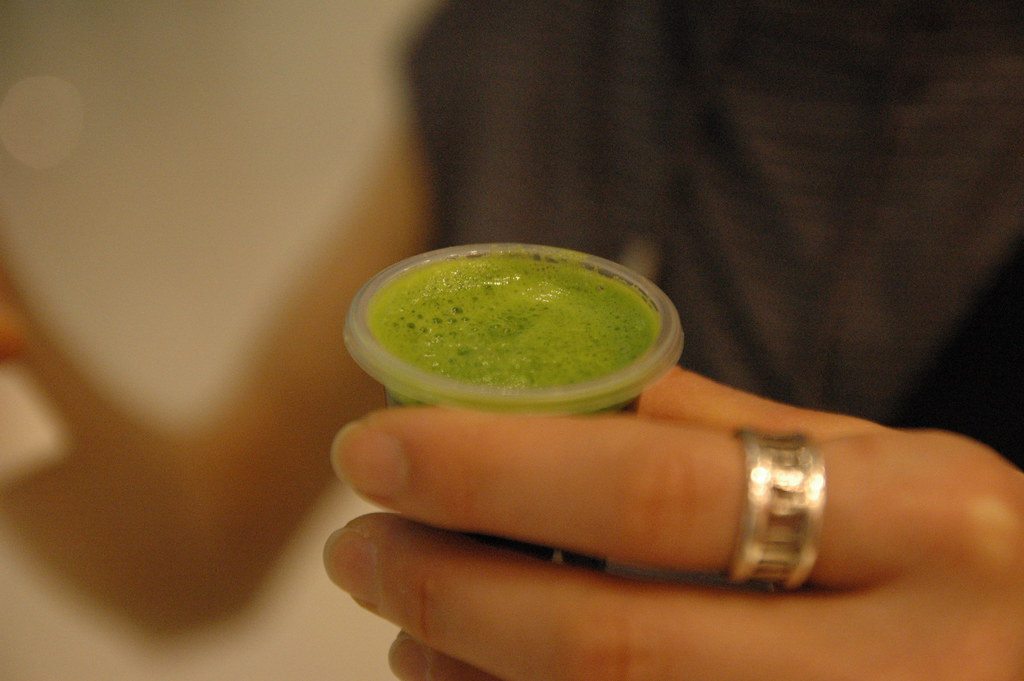
Can Wheatgrass Juice Help Ulcerative Colitis? Benefits, Evidence, and How to Use It Safely
What the limited clinical evidence says about wheatgrass juice and ulcerative colitis, how it fits beside prescribed treatment, and how to choose a product safely.
9 min read
Stay in the loop
New guides, when they publish
An occasional email when a new guide goes live. No spam.
Your email is stored privately for future guide updates. No emails are being sent yet. Privacy policy